Sri Lanka Buddhist Monks: Guardians of Tradition and Social Change
Buddhist monks in Sri Lanka have long been considered the custodians of the island’s rich cultural heritage and spiritual practices. Their role extends beyond religious duties, as they often engage in social and political issues that affect the nation.
In recent years, the monks have become increasingly vocal about their demands for respect and recognition from the government, reflecting their deep-rooted influence in Sri Lankan society.
Continue Reading
The Role of Buddhist Monks in Sri Lankan Society
Buddhist monks, or “bhikkhus,” play a pivotal role in Sri Lanka, where Buddhism is the predominant religion. They are not only spiritual leaders but also educators and community organizers. Their influence is felt in various aspects of life, including education, health care, and social justice.
Spiritual Leadership
Monks provide spiritual guidance to their communities, conducting rituals, ceremonies, and teachings that reinforce Buddhist values. They are often seen as moral compasses, helping individuals navigate ethical dilemmas and personal challenges.
Education and Community Engagement
- Monastic schools: Many monks run schools that offer education in Buddhist philosophy and traditional subjects.
- Social programs: Monks often initiate programs to support the underprivileged, including food distribution and health care services.
- Environmental advocacy: Some monks engage in environmental protection efforts, promoting sustainable practices in their communities.
Recent Protests and Political Involvement
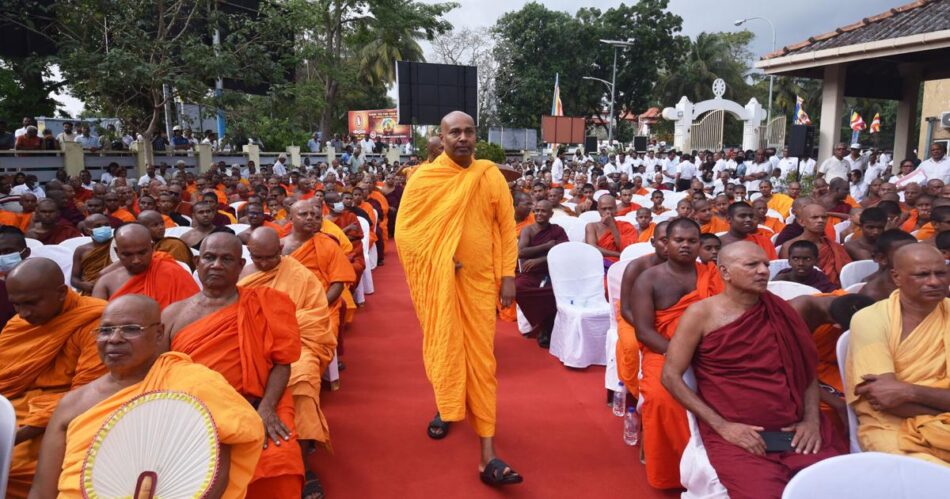
In February 2026, a significant protest was held in Colombo, where Buddhist monks gathered to demand greater respect from the government. This event highlighted their growing discontent with the political landscape and their desire for a more prominent role in governance.
Reasons for Protest
The monks’ protests stem from several concerns:
- Government Policies: Monks have criticized policies that they believe undermine Buddhist values and traditions.
- Social Issues: They have voiced concerns over rising crime rates, corruption, and social inequality.
- Religious Freedom: Monks seek assurances that their religious practices will be protected and respected by the state.
The Impact of Monks on Sri Lankan Politics
The involvement of Buddhist monks in politics is a double-edged sword. While they can mobilize public opinion and advocate for social justice, their political activities can also lead to tensions within the diverse ethnic and religious landscape of Sri Lanka.
Positive Contributions
- Advocacy for peace: Monks have played a role in promoting peace during times of ethnic conflict.
- Community cohesion: Their presence can help bridge divides between different groups within society.
Challenges and Controversies
- Political manipulation: Some politicians may exploit the monks’ influence for their gain, leading to a loss of credibility.
- Ethnic tensions: Monks’ involvement in nationalist movements can exacerbate divisions among ethnic communities.
Conclusion
The role of Buddhist monks in Sri Lanka is multifaceted, encompassing spiritual leadership, education, and social activism. As they continue to engage with political issues, their influence will undoubtedly shape the future of Sri Lankan society.
Frequently Asked Questions
Buddhist monks in Sri Lanka serve as spiritual leaders, educators, and community organizers, influencing various aspects of society, including education and social justice.
Monks protested to demand greater respect from the government, citing concerns over policies that undermine Buddhist values, rising crime rates, and the need for religious freedom.
Monks can mobilize public opinion and advocate for social justice, but their involvement can also lead to political manipulation and exacerbate ethnic tensions.
Note: The influence of Buddhist monks in Sri Lanka is significant, and their engagement in social and political issues reflects their commitment to the well-being of their communities.