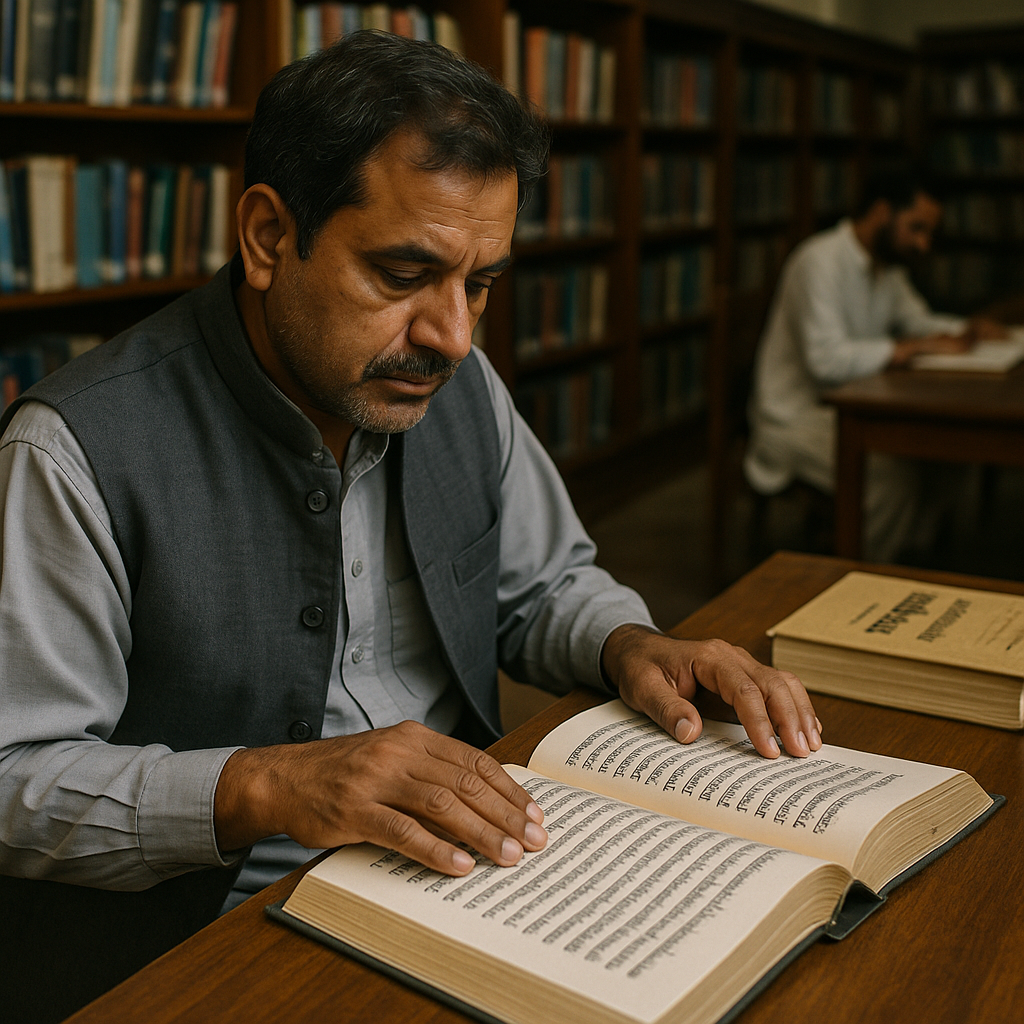
Bhagavad Gita Hailed as ‘Nectar of Wisdom’ for Contemporary World by Chinese Scholars
The Bhagavad Gita, an ancient Indian scripture, has recently received significant acclaim from Chinese scholars who describe it as a “nectar of wisdom.” This recognition highlights its relevance in addressing both spiritual and modern-day challenges.
During a symposium titled Sangamam – A Confluence of Indian Philosophical Traditions, organized by the Indian Embassy in Beijing, scholars emphasized the Gita’s role as a philosophical encyclopedia that offers profound insights into balancing material life with spiritual pursuits.
Continue Reading
The Significance of the Bhagavad Gita
The Bhagavad Gita, composed over 5,000 years ago, remains a timeless text that addresses existential questions and moral dilemmas faced by humanity. Its teachings resonate with individuals navigating the complexities of modern life, making it a valuable resource for contemporary society.
Insights from Chinese Scholars
At the symposium, prominent scholars shared their perspectives on the Gita, emphasizing its philosophical depth and cultural significance. Notable speakers included:
- Prof Zhang Baosheng: An 88-year-old scholar who translated the Gita into Chinese, he described it as a spiritual epic that reflects India’s approach to duty, action, and detachment. He highlighted the Gita as a living influence on Indian morality and social life.
- Prof Wang Zhi-cheng: The Director of the Centre for Oriental Philosophy Research at Zhejiang University, he referred to the Gita as a “nectar of wisdom,” emphasizing its relevance in addressing modern anxieties. He outlined three wisdom paths: Karma Yoga, Sankhya Yoga, and Bhakti Yoga, which provide solutions to contemporary challenges.
- Prof Yu Longyu: The Director of the Centre for Indian Studies at Shenzhen University, he called for deeper study of India’s philosophical and cultural heritage, emphasizing its richness and relevance in modern times.
Core Teachings of the Gita
The Bhagavad Gita presents a dialogue between Prince Arjuna and Lord Krishna, addressing the moral and philosophical dilemmas faced by Arjuna on the battlefield. Key teachings include:
- Karma Yoga: The path of selfless action, emphasizing the importance of performing one’s duty without attachment to the results.
- Sankhya Yoga: The path of knowledge and wisdom, focusing on understanding the nature of reality and the self.
- Bhakti Yoga: The path of devotion, highlighting the significance of surrendering to a higher power.
Practical Applications
Chinese scholars provided practical advice derived from the Gita’s teachings, which can be applied to everyday life:
- When feeling anxious, remember to let go of attachment to results.
- When feeling lost, recognize your true self.
- When feeling empty, practice generosity and give more to others.
India-China Cultural Relations
The symposium not only celebrated the teachings of the Bhagavad Gita but also aimed to strengthen cultural ties between India and China. Indian Ambassador to China, Pradeep Kumar Rawat, linked the event to previous discussions on Indian philosophy, emphasizing the importance of understanding diverse pathways to wisdom and harmony.
Frequently Asked Questions
The Bhagavad Gita is a 700-verse Hindu scripture that is part of the Indian epic Mahabharata. It consists of a dialogue between Prince Arjuna and Lord Krishna, who serves as his charioteer.
The Bhagavad Gita addresses fundamental questions about duty, morality, and the nature of reality, making it applicable to modern dilemmas and challenges faced by individuals.
The main teachings include the paths of Karma Yoga (selfless action), Sankhya Yoga (knowledge), and Bhakti Yoga (devotion), each offering insights into achieving a balanced and meaningful life.
Note: The recognition of the Bhagavad Gita by Chinese scholars reflects its enduring significance and the potential for cross-cultural dialogue in addressing contemporary issues.