NSD Brings Bhagavad Gita to Antarctica: A Cultural Milestone in Hindi Theatre
In a remarkable fusion of cultural heritage and scientific exploration, the National School of Drama (NSD) has achieved a historic milestone by presenting the Bhagavad Gita in Antarctica. This unprecedented event took place at India’s Maitri Station, showcasing the profound philosophical dialogue of the Gita in one of the most remote locations on Earth.
As temperatures plummeted to -2°C, Indian scientists stepped beyond their usual roles to enact scenes from this ancient text, transforming a scientific outpost into a vibrant stage. This initiative not only highlights the importance of cultural expression but also reinforces the idea that art and science can coexist harmoniously, even in the harshest environments.
Continue Reading
The Significance of the Initiative
The NSD’s initiative represents a significant step in promoting Hindi theatre on a global scale. The director of NSD, Chittaranjan Tripathy, has long envisioned the idea of taking Indian performance traditions to the farthest corners of the world. This event in Antarctica is a realization of that vision, demonstrating the universality of the Bhagavad Gita’s message.
Performance Details
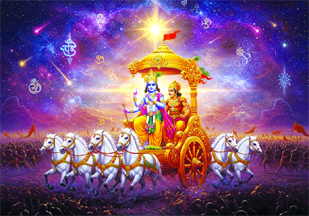
The performance featured members of the scientific expedition portraying the characters of Lord Krishna and Arjuna. Under the guidance of Station Commander H N Singh, the team brought the Gita’s teachings to life, encapsulating its essence in a unique setting. The event concluded with a stirring rendition of “Vande Mataram,” sung in full polar uniforms, symbolizing national pride and unity.
Coordination and Support
This cultural milestone was made possible through meticulous planning and institutional support. Chetna Vashisht, assistant director of Raj Bhasha Vibhag, played a crucial role in integrating Hindi theatrical expression within India’s Antarctic mission. Her efforts ensured that the performance was not only a cultural showcase but also a meaningful part of the scientists’ journey.
Impact on Cultural Diplomacy
The event in Antarctica signifies more than just a performance; it represents a new chapter in cultural diplomacy for India. By taking the Bhagavad Gita to such an extreme environment, NSD has underscored the idea that cultural narratives can transcend geographical boundaries. This initiative illustrates that art can thrive in any context, echoing the timeless messages of duty, clarity, and inner strength found in the Gita.
Science and Art: A Complementary Relationship
The participation of scientists as performers highlights the complementary relationship between science and art. These individuals, who are typically engaged in research and climate studies, momentarily stepped into the realm of cultural expression, showcasing the multifaceted nature of human endeavor. Their collective voice in “Vande Mataram” served as a powerful reminder of unity and shared identity.
Conclusion
This event marks a defining moment for NSD and India’s polar program, showcasing a holistic vision of exploration that embraces cultural continuity alongside scientific excellence. The echoes of the Gita and the cadence of “Vande Mataram” in Antarctica serve as a testament to the enduring power of culture, reminding us that wherever humanity ventures, art and spirituality will follow.
Frequently Asked Questions
The performance aimed to showcase the cultural heritage of India by presenting the Bhagavad Gita in a unique setting, highlighting the connection between art and science.
The event was coordinated by Station Commander H N Singh, with significant contributions from Chetna Vashisht, assistant director of Raj Bhasha Vibhag.
This initiative conveys that cultural narratives, such as those found in the Bhagavad Gita, are universal and can resonate in any environment, emphasizing the importance of cultural diplomacy.
Note: The performance in Antarctica by NSD represents a significant cultural achievement, showcasing the power of art to transcend boundaries and connect with audiences worldwide.