Hinduism has 1.2 Billion Followers Worldwide: Insights into the Hindu Experience in Louisiana
Hinduism, one of the world’s oldest religions, boasts a following of approximately 1.2 billion people globally. While its roots are deeply embedded in India, the religion has found its way into diverse communities, including Louisiana. This article explores the experiences of Hindus living in the Deep South, shedding light on their cultural practices and the challenges they face.
In Louisiana, the Hindu community is vibrant yet often underrepresented. Many immigrants from India have established their homes here, contributing to a rich tapestry of cultural diversity. Through their temples and rituals, they maintain their traditions while also adapting to their new environment.
Continue Reading
The Hindu Community in Louisiana
The Hindu community in Louisiana is primarily concentrated in cities like Baton Rouge and New Orleans. Temples such as the Datta Temple in Baton Rouge serve as spiritual and cultural hubs for Hindus in the region. These temples not only provide a space for worship but also foster community engagement and education about Hindu traditions.
Datta Temple: A Cultural Hub
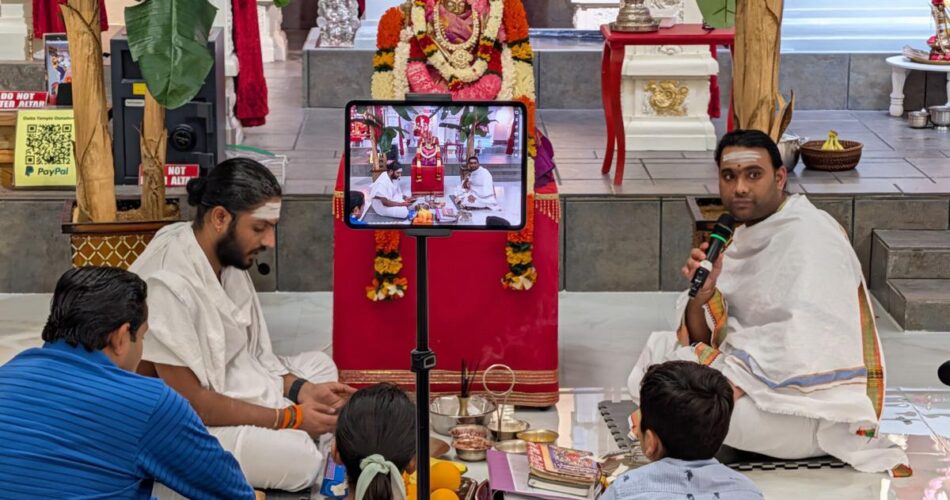
Located in an industrial park in Baton Rouge, the Datta Temple is a unique blend of ancient rituals and modern technology. Priests lead traditional chants while simultaneously utilizing modern tools like iPads to enhance the worship experience. This fusion of the old and new reflects the adaptability of the Hindu faith in a contemporary setting.
Community Engagement
As the Hindu population has grown, so has the interest from the local community. Schools often arrange visits to the temple, allowing students to learn about Hinduism firsthand. Piyush Maisuria, coordinator for the Hindu Temple of New Orleans, notes that these visits have increased awareness and understanding among non-Hindus.
Challenges Faced by Hindus in Louisiana
Despite the growing acceptance, many Hindus in Louisiana encounter challenges related to cultural misunderstandings and discrimination. Some individuals have reported facing prejudice based on their clothing, accents, or religious symbols like the bindi, which represents wisdom.
Personal Experiences
Nidhi Sthanki, a member of the Hindu community, shared her experience of being teased for bringing traditional Indian meals to school. She recounted how her delicious vegetarian food was dismissed by classmates, leading her to feel alienated. To address such challenges, she authored a book titled “The Magical Promise,” aimed at reaffirming her cultural identity.
Religious Practices and Dietary Considerations
Hinduism places a strong emphasis on the sanctity of all life, which is reflected in the dietary choices of many practitioners. A significant number of Hindus adhere to a strict vegetarian diet, which can pose challenges in a region where meat is a staple in many cuisines.
Dining Out as a Hindu
When dining out, Hindus often request that servers change gloves after handling meat to avoid cross-contamination. This practice underscores the importance of dietary restrictions in their religious observance.
Daily Rituals and Temple Attendance
The practice of devotion is integral to Hindu life. Many Hindus perform rituals at home multiple times a day, which include bathing, prayers, and offerings at their home altars. Weekly temple attendance is common, with increased participation during Hindu festivals.
Frequently Asked Questions
The bindi, often a red dot worn on the forehead, symbolizes the “third eye” and represents wisdom and insight. It is a cultural and religious symbol for many Hindus.
Hindus in Louisiana celebrate festivals like Diwali and Holi with community gatherings, prayers, and cultural performances, fostering a sense of unity and cultural pride.
Many people mistakenly believe that Hindus worship thousands of gods. In reality, these deities represent different aspects of a single, eternal divine presence known as Brahman.
Note: The Hindu experience in Louisiana is a testament to the resilience and adaptability of cultural identities. As the community continues to grow, so does the opportunity for greater understanding and acceptance.