Peacebuilding Through Interfaith Dialogue: Lessons from Jain–Muslim Conversations
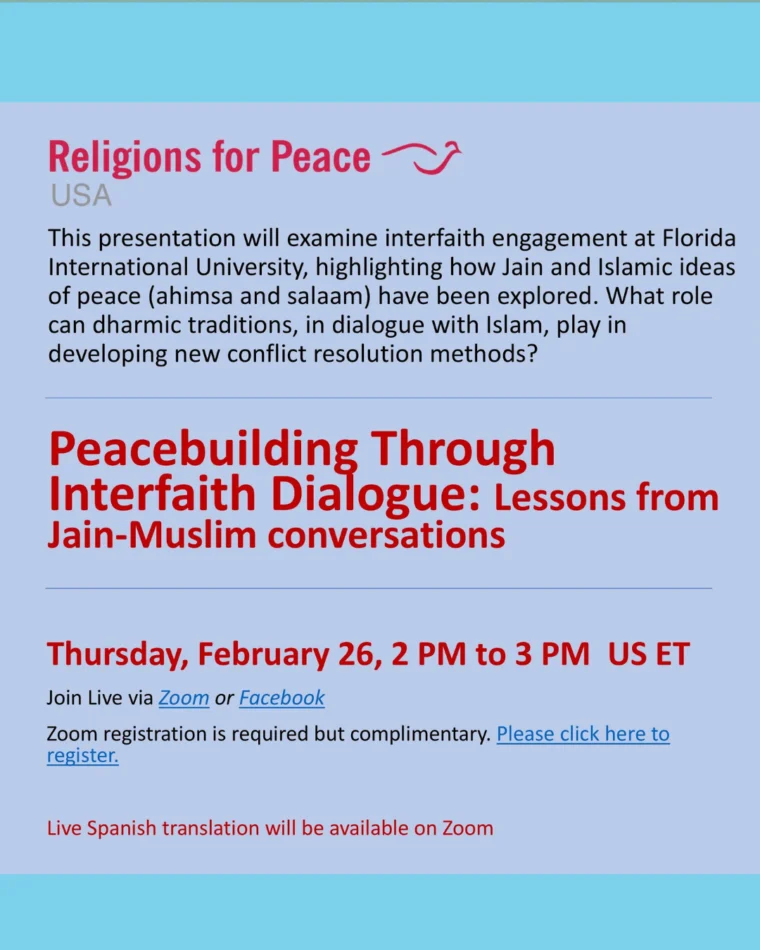
Interfaith dialogue has emerged as a crucial tool for peacebuilding in a world often marked by division and conflict. The upcoming event titled “Peacebuilding Through Interfaith Dialogue: Lessons from Jain–Muslim Conversations” aims to explore how Jain and Islamic traditions can contribute to conflict resolution and promote understanding.
This online event, hosted by Religions for Peace USA, will feature discussions on the principles of ahimsa (nonviolence) and salaam (peace), showcasing how these concepts can be integrated into contemporary peace efforts.
Continue Reading
Event Overview
The event is scheduled for Thursday, February 26, 2026, from 2:00 PM to 3:00 PM (US Eastern Time) and will be held online via Zoom and Facebook. It will feature a prominent speaker, Prof. Dr. Iqbal Akhtar from Florida International University, who specializes in religious studies and international relations.
This session aims to foster dialogue between Jain and Muslim communities, focusing on how their respective teachings can aid in conflict resolution and promote peace. The integration of dharmic traditions with Islamic values will be a key theme of the conversation.
Key Themes of the Discussion
- Ahimsa (Nonviolence): A core principle of Jainism, ahimsa emphasizes the importance of non-harm in thoughts, words, and actions.
- Salaam (Peace): In Islam, salaam signifies peace and is integral to the faith’s teachings, promoting harmony among individuals and communities.
- Interfaith Engagement: The dialogue will explore how Jain and Islamic teachings can intersect to create new pathways for conflict resolution.
Importance of Interfaith Dialogue
Interfaith dialogue serves several important purposes in today’s society:
- Building Understanding: It fosters mutual respect and understanding among different faiths, reducing prejudice and stereotypes.
- Conflict Resolution: By promoting shared values, interfaith dialogue can help resolve conflicts and prevent violence.
- Community Building: It encourages collaboration between diverse groups, strengthening community ties and promoting social cohesion.
Role of Dharmic Traditions
Dharmic traditions, including Jainism and Hinduism, have unique perspectives on peace and nonviolence that can contribute significantly to interfaith dialogue:
- Jainism: With its strict adherence to nonviolence, Jainism offers valuable insights into peaceful coexistence.
- Hinduism: The principles of dharma and ahimsa in Hinduism align closely with the teachings of Jainism and Islam.
About the Speaker
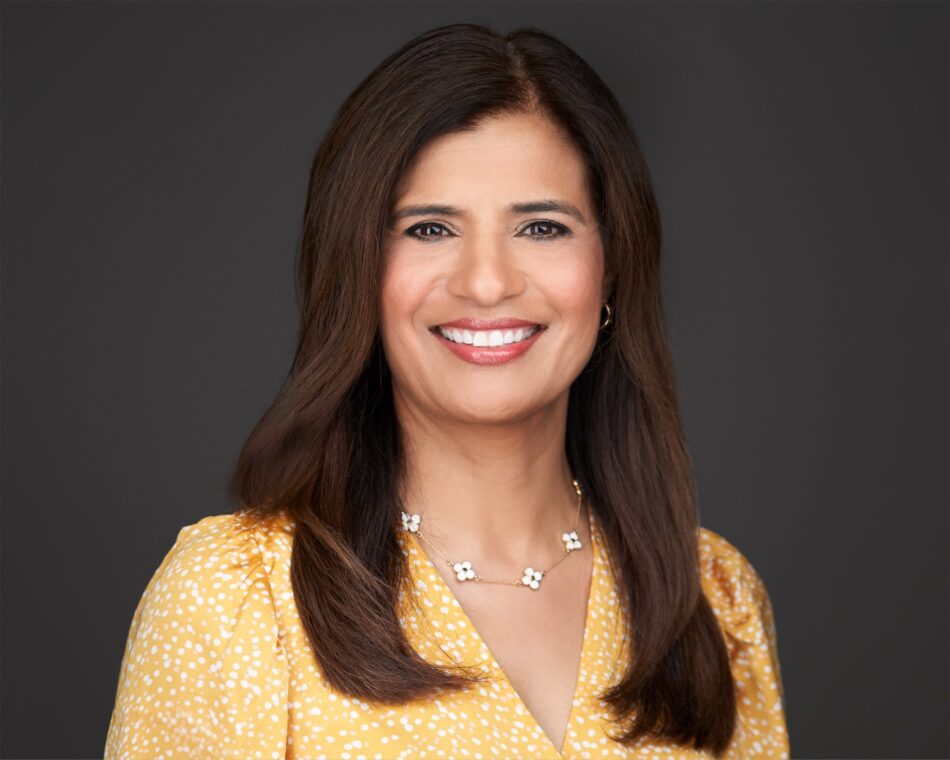
Prof. Dr. Iqbal Akhtar is a noted academic and public intellectual whose work focuses on the intersection of religious studies and international relations. His expertise will provide valuable insights into the role of religion in peacebuilding efforts.
Registration Details
Participation in the event is complimentary, but registration is required. Interested individuals can register through the following link: Register Here. Live Spanish translation will be available on Zoom, making the event accessible to a broader audience.
Conclusion
As communities worldwide grapple with conflict and division, events like this interfaith dialogue are essential in promoting understanding and cooperation. By exploring the lessons from Jain and Muslim conversations, participants can gain valuable insights into building a more peaceful world.
Frequently Asked Questions
The event focuses on exploring how Jain and Islamic teachings on peace can contribute to conflict resolution and foster interfaith dialogue.
The featured speaker is Prof. Dr. Iqbal Akhtar from Florida International University, who specializes in religious studies and international relations.
Participation is free, but registration is required. You can register through the provided link to secure your spot.