Maha Shivratri 2026: Why the Four Prahars of Worship are Spiritually Powerful
- Understanding the significance of the four Prahars can enhance spiritual practices during Maha Shivratri.
- Engaging in rituals during each Prahar maximizes the spiritual benefits and connection with Lord Shiva.
- Preparation and discipline leading up to Maha Shivratri are essential for a fulfilling worship experience.
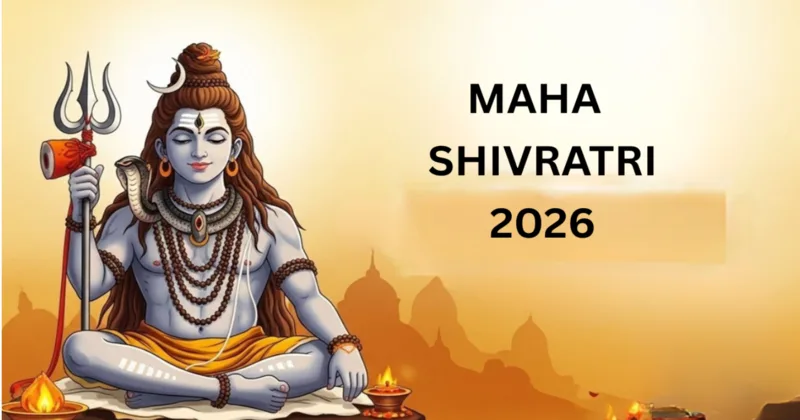
Maha Shivratri, celebrated on February 15, 2026, is a festival dedicated to Bhagwan Shiva, symbolizing cosmic energy and renewal. This auspicious night is marked by night-long vigils and rituals, believed to lead to liberation and divine consciousness.
The festival not only holds cultural significance but also offers profound spiritual insights, particularly through the practice of worship during the four Prahars of the night. Each Prahar represents unique stages of spiritual awakening, making the observance of this festival a transformative experience for devotees.
Continue Reading
The Essence of Maha Shivratri
Maha Shivratri, also known as Mahashivratri, is one of the most revered festivals in Hinduism. It signifies the union of Shiva and Shakti, embodying balance and creation. The name translates to “The Great Night of Shiva,” highlighting its importance as a time for deep spiritual reflection and worship.
On this night, devotees engage in various rituals, including chanting mantras and performing elaborate prayers. The belief is that sincere worship during this sacred night can lead to liberation from past sins and a closer connection to the divine.
Significance of the Four Prahars
The night of Maha Shivratri is divided into four Prahars, each representing different stages of spiritual awakening:
- First Prahar (06:11 PM – 09:23 PM): This phase symbolizes the awakening of consciousness. It is a time for devotees to set their intentions and prepare their minds for worship.
- Second Prahar (09:23 PM – 12:35 AM): This period signifies surrender to divine will. Devotees are encouraged to let go of their worldly attachments and focus on their spiritual journey.
- Third Prahar (12:35 AM – 03:47 AM): This phase marks the purification of mind and soul. Rituals performed during this time are believed to cleanse negative energies and foster spiritual growth.
- Fourth Prahar (03:47 AM – 06:59 AM): The final Prahar represents ultimate union with divine energy, leading to moksha or liberation. It is the culmination of the night’s worship.
Preparation for Maha Shivratri
Preparation for Maha Shivratri begins a day prior, on Trayodashi. Devotees typically consume simple, sattvic food to maintain spiritual focus. On the day of Maha Shivratri, the rituals commence early in the morning with a holy bath and wearing clean clothes, symbolizing both inner and outer purification.
Visiting Shiva temples and taking a Sankalp (vow) to observe a full-day fast is a common practice among devotees. This fast, known as Maha Shivratri Vrat, is dedicated to Lord Shiva and is believed to enhance spiritual merit.
Rituals and Offerings
As evening approaches, devotees prepare for night-long worship. The Shiva Puja can be performed multiple times throughout the four Prahars. Offerings such as milk, water, bel leaves (belpatra), fruits, and dhatura are made to the Shiva Linga, accompanied by the chanting of the sacred mantra “Om Namah Shivaya.”
This uninterrupted devotion is believed to invoke Lord Shiva’s blessings and purify one’s soul. The fast is traditionally broken after sunrise on February 16, ideally before the Chaturdashi Tithi ends, to maximize spiritual benefits.
Global Observance and Community Participation
Maha Shivratri is celebrated not only in India but also around the world. Temples such as Kashi Vishwanath Temple, Somnath Temple, Mahakaleshwar Jyotirlinga, and Kedarnath Temple see a significant influx of devotees. Internationally, Shiva temples in countries like the United States, Nepal, and Mauritius also hold special night-long events.
The collective vibration of chants like “Har Har Mahadev” and “Om Namah Shivaya” fills the air, believed to cleanse negativity and invite divine peace into human lives.
Conclusion
Note: Provide a strategic conclusion reinforcing long-term business impact and keyword relevance.
Frequently Asked Questions
Maha Shivratri is a festival dedicated to Bhagwan Shiva, symbolizing cosmic energy and renewal. It is celebrated through night-long vigils and rituals, believed to lead to liberation and divine consciousness.
The four Prahars represent different stages of spiritual awakening: awakening of consciousness, surrender to divine will, purification of mind and soul, and ultimate union with divine energy.
Preparation includes consuming simple, sattvic food on the day before, taking a holy bath, wearing clean clothes, and making a vow to observe a full-day fast dedicated to Lord Shiva.