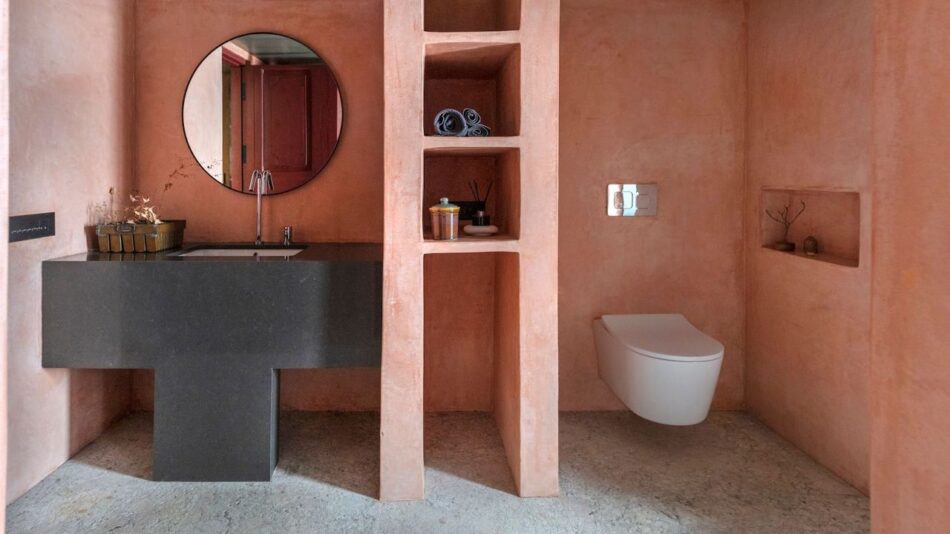
Toilet Directions as per Vastu: Understanding the Impact of North-East Toilets
- Toilets in the north-east direction are discouraged due to their spiritual implications.
- Optimal toilet placements include the south of south-west and west of north-west.
- Maintaining cleanliness and using specific remedies can mitigate negative effects when relocation isn’t possible.
- Understanding Vastu principles can enhance spatial harmony and overall well-being.
In Vastu Shastra, the placement of toilets within a home holds significant importance, particularly regarding the north-east direction. This quadrant, known as the Ishaan Kon, is considered sacred and spiritually charged, representing purity and receptivity.
Understanding the implications of toilet placement according to Vastu can help homeowners create a harmonious living environment. By adhering to these principles, one can potentially enhance the overall energy and well-being within their home.
Continue Reading
The Significance of the North-East Direction
The north-east direction is revered in Vastu Shastra as it is associated with the early morning sunlight, which is believed to bring freshness and purifying qualities. This area is traditionally reserved for spaces that promote positivity, such as prayer rooms, water features, or open courtyards. The presence of a toilet in this direction is seen as a disruption to its natural energy flow.
Reasons Against North-East Toilets
1. Spiritual and Symbolic Implications
In Vedic science, the north-east is viewed as the abode of the Hindu gods. It symbolizes openness and support from nature. Therefore, placing a toilet here is considered a significant mismatch, as toilets are associated with waste and elimination, countering the spiritual essence of this quadrant.
2. Impact on Natural Light
The north-east is the primary source of natural light in a home. This light is vital for regulating circadian rhythms and enhancing emotional well-being. A toilet in this area can obstruct the flow of light, leading to a less vibrant and uplifting atmosphere.
3. Magnetic Alignment and Balance
The convergence of the northern axis, which aligns with the Earth’s magnetic pull, and the eastern direction, associated with the rising sun, makes the north-east sensitive to spatial balance. Toilets can disrupt this balance, potentially leading to mental restlessness and other negative outcomes.
4. Historical and Textual References
Classical texts such as the Brihat Samhita and the Mayamata emphasize the importance of keeping the north-east quadrant open and suitable for sacred functions. These texts consistently advise against associating this area with waste disposal, reinforcing the belief that it should remain pure and serene.
Optimal Toilet Directions According to Vastu
When planning toilet placements, Vastu principles recommend positioning them in areas that align with the natural flow of energy. The following directions are generally considered more suitable:
- South of South-West (SSW): This direction is ideal for toilets, symbolizing grounding and discharge.
- West of North-West (WNW): This area is also acceptable, associated with movement and transition.
- East of South-East (ESE): While not as optimal as the previous two, this direction can accommodate toilets more harmoniously than the north-east.
Mitigating Negative Effects When Relocation Isn’t Possible
In modern living situations, relocating a toilet may not always be feasible due to structural constraints. In such cases, certain remedies can help minimize the negative impacts:
- Maintain meticulous cleanliness and ensure the area remains dry.
- Place a bowl of sea salt in the toilet space and replace it weekly to absorb negative energy.
- Avoid overhead water storage above the north-east quadrant to prevent additional imbalance.
- Strengthen the south-west portion of the home with heavier elements to counterbalance the north-east’s energy.
Designing for Balance and Harmony
Ultimately, Vastu is about creating spatial harmony rather than instilling fear or superstition. The emphasis on preserving the north-east arises from practical observations regarding light, openness, and the suitability of activities in this area. Traditional practices suggest that this quadrant should be reserved for meditation, study, or water placement.
In contemporary interior design, many still adhere to the principle of keeping the north-east corner lighter and less encumbered, reflecting ancient wisdom. This approach fosters a more intentional relationship with space, honoring light and balance.
Frequently Asked Questions
Toilets in the north-east are discouraged because this direction is considered sacred and spiritually charged, representing purity and receptivity. Associating it with waste disposal disrupts its natural energy.
The best directions for toilet placement are the south of south-west (SSW), west of north-west (WNW), and east of south-east (ESE). These areas align better with the principles of Vastu.
To mitigate negative effects, maintain cleanliness, use a bowl of sea salt in the space, avoid overhead water storage, and strengthen the south-west portion of the home with heavier elements.
Note: Provide a strategic conclusion reinforcing long-term business impact and keyword relevance.