Indus Civilization – Craft, Technology, Artifacts
- Understanding the advanced technology of the Indus civilization reveals its societal sophistication.
- Artifacts such as seals and figurines provide insights into the cultural and religious practices of the Indus people.
- Exploring the craft techniques used in metalworking and pottery highlights the civilization’s artistic achievements.
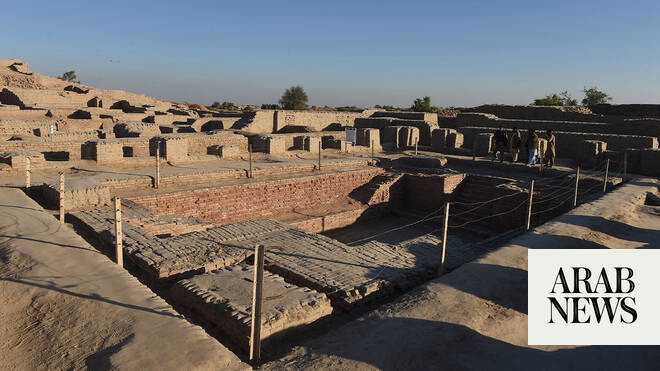
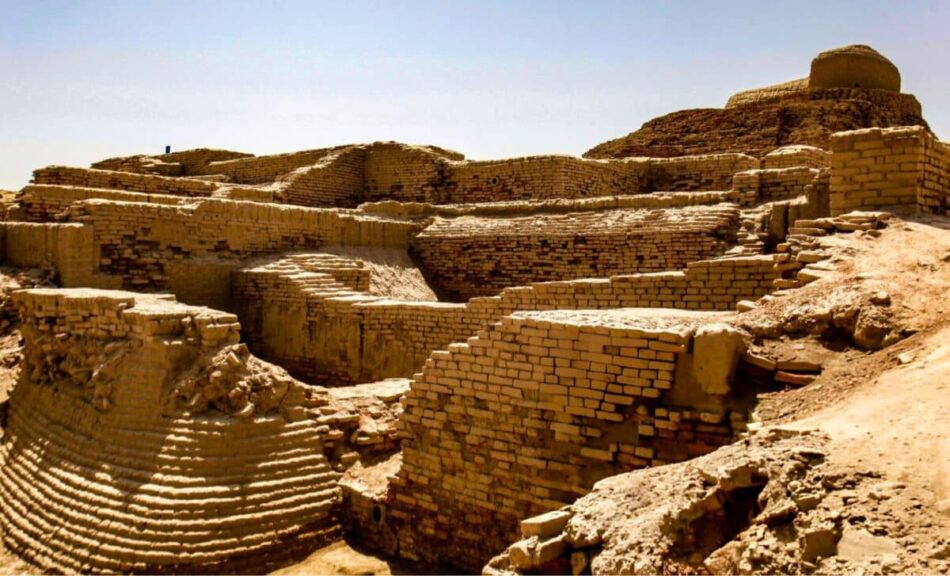
The Indus civilization, also known as the Harappan civilization, flourished from approximately 3300 BCE to 1300 BCE in the northwestern regions of South Asia. This ancient civilization is renowned for its advanced urban planning, architecture, and a rich array of artifacts that reflect its sophisticated culture.
Among the most notable aspects of the Indus civilization are its craft, technology, and artifacts, which not only demonstrate the ingenuity of its people but also provide crucial insights into their daily lives, trade practices, and religious beliefs.
Continue Reading
Craft and Artistic Expression
The artistic expression of the Indus civilization is evident in its diverse range of crafted items. Among these, the terra-cotta figurines stand out as significant artifacts, often depicting human figures, animals, and various domestic scenes. These figurines, typically made by hand, showcase the skill of artisans who created intricate designs and details.
Many of the terra-cotta figures are believed to represent deities or religious figures, with a notable emphasis on female forms, possibly symbolizing fertility and motherhood. The presence of jewelry on these figures indicates the importance of adornment in their culture. Additionally, there are various animal figurines, which might have served as toys or religious symbols.
Seals: A Window into Trade and Religion
One of the most distinctive artifacts of the Indus civilization is the small seals made primarily from steatite. These seals often feature intricate carvings of animals, mythical creatures, and script, which remains undeciphered. The seals were likely used for trade purposes, serving as a form of identification for merchants and possibly as amulets.
Many seals depict a unique creature resembling a unicorn, alongside other animals such as bulls and elephants. The presence of these seals in various archaeological sites indicates extensive trade networks, suggesting that the Indus civilization engaged in commerce with neighboring regions.
Technological Advancements in Metalworking
The Indus civilization exhibited remarkable advancements in metalworking. Artisans utilized copper and bronze to create tools, weapons, and decorative items. Techniques such as casting and hammering were employed to produce a variety of metal objects, including axes, chisels, and jewelry.
One notable method used by the Indus craftsmen was the lost-wax casting technique, which allowed for the creation of detailed bronze figurines. These figures often depicted dancers, animals, and other motifs, showcasing the artistic skill and technical proficiency of the artisans. Although the level of metalworking did not reach the heights of contemporary Mesopotamian cultures, it still reflects a significant degree of technological sophistication.
Pottery and Its Cultural Significance
Pottery from the Indus civilization is another vital aspect of its material culture. The pottery was often painted with geometric designs and motifs, indicating a tradition of artistic expression. The shapes and styles of the pottery varied, with some pieces serving functional purposes while others were likely used in ceremonial contexts.
The quality of the pottery suggests that artisans had a deep understanding of materials and techniques, allowing them to produce durable and aesthetically pleasing items. The presence of painted pottery also indicates a cultural emphasis on decoration and artistry, reflecting the values and beliefs of the society.
Trade Networks and External Contacts
The Indus civilization was not isolated; it actively engaged in trade with neighboring cultures, including Mesopotamia and regions in the Arabian Peninsula. The artifacts found in archaeological sites indicate that goods such as semi-precious stones, metals, and textiles were exchanged.
This trade network facilitated the flow of ideas and cultural practices, contributing to the development of the Indus civilization. The seals, as previously mentioned, played a crucial role in these trade activities, acting as identifiers for merchants and possibly carrying religious significance.
Decline and Legacy
The decline of the Indus civilization remains a subject of scholarly debate. Factors such as climate change, shifting river patterns, and possible invasions may have contributed to the urban decline. However, the legacy of the Indus civilization endures through its artifacts and the technological innovations that influenced subsequent cultures in the region.
Frequently Asked Questions
The main crafts included pottery, metalworking, and the creation of seals and figurines, showcasing advanced techniques and artistic expression.
Trade facilitated cultural exchange and economic growth, connecting the Indus civilization with neighboring regions and enhancing its prosperity.
Technology, particularly in metalworking and urban planning, was crucial for the development and sustainability of the Indus civilization.
Note: Provide a strategic conclusion reinforcing long-term business impact and keyword relevance.