Uttarakhand CM Dhami Makes Bhagavad Gita Recitation Mandatory in Schools
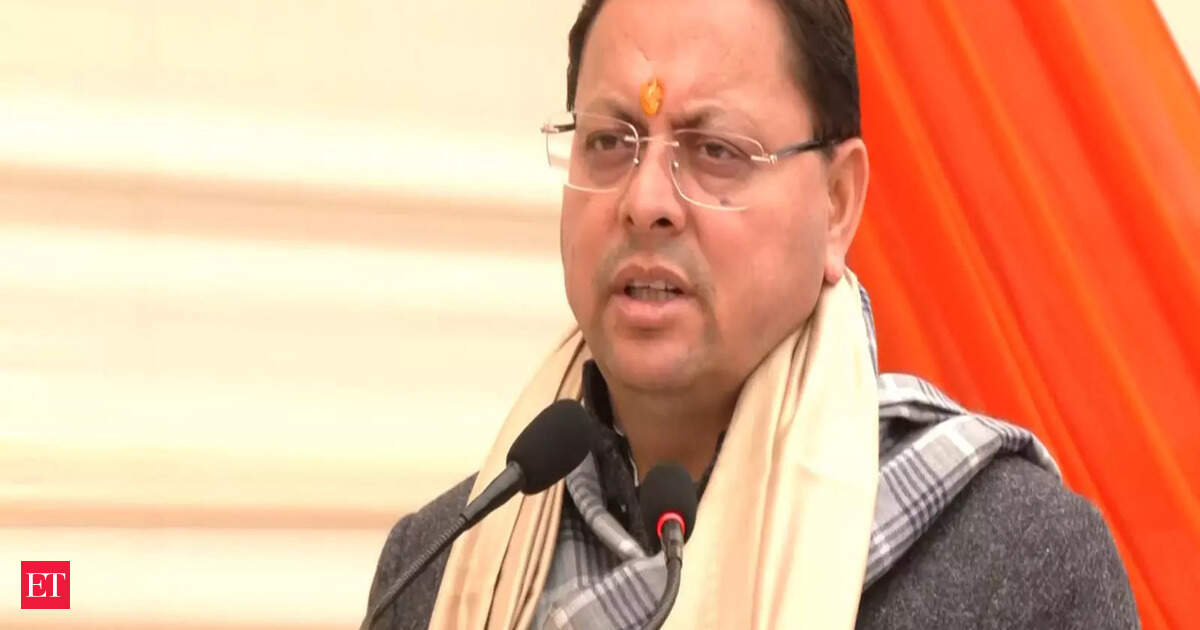
In a significant move aimed at enhancing cultural education, Uttarakhand Chief Minister Pushkar Singh Dhami has announced that recitation of verses from the Bhagavad Gita will be mandatory in schools across the state. This initiative seeks to instill moral values and a connection to Indian culture among students.
CM Dhami emphasized that this initiative is part of a broader strategy to promote holistic development in students, encouraging them to embrace the philosophical teachings of the Gita as a guiding principle in their lives.
Continue Reading
Objectives of the Initiative
The primary objectives behind making the recitation of the Bhagavad Gita mandatory in schools include:
- Cultural Connection: To foster a deeper understanding of Indian culture and heritage.
- Moral Development: To instill moral values and ethical principles in students.
- Philosophical Understanding: To introduce students to the philosophical concepts presented in the Gita.
- All-round Development: To support the overall development of students, preparing them for life’s challenges.
Significance of the Bhagavad Gita
The Bhagavad Gita, a 700-verse Hindu scripture, is a conversation between Prince Arjuna and Lord Krishna, who serves as his charioteer. This text is considered one of the most important philosophical classics, addressing the moral and philosophical dilemmas faced by individuals. Key themes include:
- Duty and Righteousness: The importance of performing one’s duty without attachment to the results.
- Self-Realization: Understanding the self and its relationship with the universe.
- Detachment: The practice of detachment from material possessions and outcomes.
Implementation Strategy
To ensure the effective implementation of this initiative, the government plans to:
- Develop a curriculum that incorporates verses from the Bhagavad Gita.
- Train educators on how to teach the philosophical concepts effectively.
- Organize workshops and seminars for students to engage with the text meaningfully.
- Monitor the progress and impact of the initiative on students’ moral and ethical development.
Cultural Heritage Promotion
In addition to the Bhagavad Gita initiative, CM Dhami has highlighted the importance of preserving Uttarakhand’s cultural heritage. He recently showcased the historic Kattarmal Sun Temple, emphasizing its architectural significance and the need for cultural preservation. Key points include:
- Architectural Significance: The Kattarmal Sun Temple is an example of the architectural excellence of the Katyuri era.
- Cultural Identity: Such heritage sites play a crucial role in maintaining the cultural identity of the region.
- Tourism Promotion: Encouraging tourism to these sites can boost local economies and foster cultural appreciation.
Community Engagement
CM Dhami has also emphasized the role of community events, such as the Mahakauthig, in preserving and promoting Uttarakhand’s rich heritage. He stated that:
- Events like Mahakauthig serve as platforms for showcasing folk culture and traditions.
- They unite the diaspora and engage them in cultural activities, reinforcing their connection to their roots.
- Such gatherings are vital for passing on cultural values to younger generations.
Government Commitment
The Uttarakhand government has expressed its commitment to preserving cultural and social unity within the state. This includes:
- Enacting strict laws to prevent religious conversion and divisive ideologies.
- Implementing measures to protect government land from encroachments.
- Promoting initiatives that foster community bonding and cultural pride.
Frequently Asked Questions
The initiative aims to connect students with Indian culture, instill moral values, and promote philosophical understanding for their all-round development.
Key themes include duty and righteousness, self-realization, and detachment from material possessions.
The government plans to develop a curriculum, train educators, organize workshops, and monitor progress to ensure effective implementation.
Note: This initiative reflects the government’s commitment to cultural education and the overall development of students in Uttarakhand.