Manuscripts of Bhagavad Gita, Natyashastra Inscribed on UNESCO’s Memory of the World Register
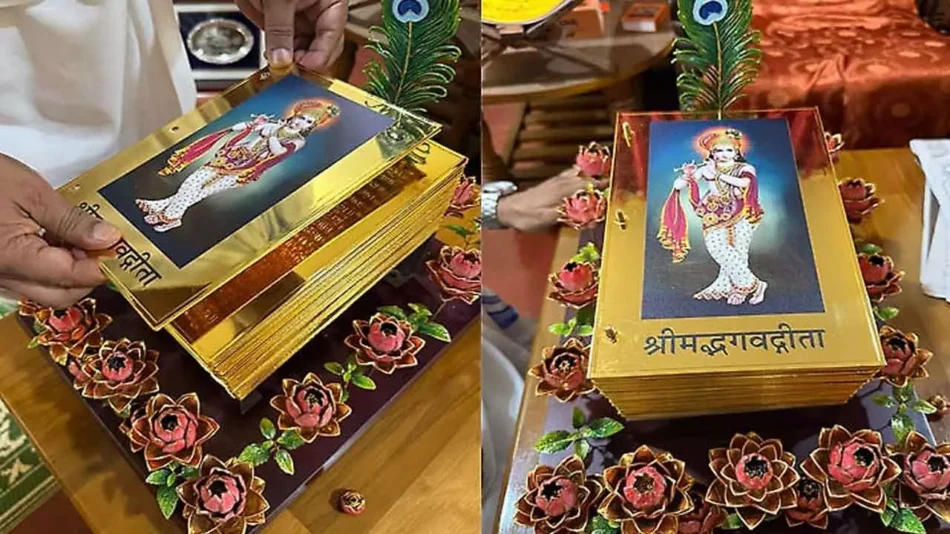
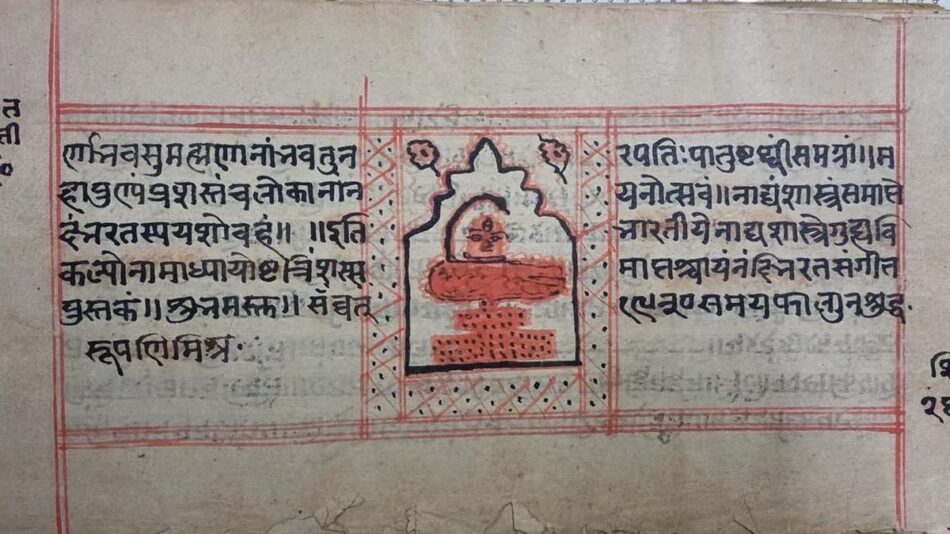
The recent inscription of the manuscripts of the Shrimad Bhagavad Gita and Bharat Muni’s Natyashastra on UNESCO’s Memory of the World Register marks a significant milestone for India’s cultural heritage. This recognition not only highlights the importance of these texts but also underscores India’s rich historical contributions to global civilization.
As of April 17, 2025, a total of 74 new documentary heritage collections were added to the UNESCO register, bringing the total to 570. This article explores the significance of these inscriptions and their impact on India’s cultural identity.
Continue Reading
Significance of the Inscriptions
The inclusion of the Bhagavad Gita and Natyashastra in the UNESCO Memory of the World Register is a moment of pride for India. These texts are not merely historical documents; they embody the philosophical and artistic heritage of the nation. The recognition serves several purposes:
- Global Recognition: The inscription brings international attention to India’s cultural narratives and philosophies.
- Preservation of Heritage: It emphasizes the need to preserve ancient manuscripts and texts that form the foundation of human thought and creativity.
- Inspiration for Future Generations: These texts continue to inspire scholars, artists, and thinkers around the world.
Overview of the Manuscripts
Bhagavad Gita
The Bhagavad Gita, a 700-verse Hindu scripture, is part of the Indian epic Mahabharata. It is a conversation between Prince Arjuna and the god Krishna, who serves as his charioteer. The Gita addresses the moral and philosophical dilemmas faced by Arjuna as he prepares for battle. Key themes include:
- The nature of reality and the self
- The importance of duty (dharma)
- Pathways to spiritual enlightenment
Natyashastra
The Natyashastra, attributed to Bharat Muni, is an ancient treatise on the performing arts. It covers various aspects of drama, dance, and music, and is considered the foundational text for Indian classical arts. Its significance lies in:
- Establishing the principles of aesthetics in performance
- Providing guidelines for actors and dancers
- Exploring the emotional and psychological dimensions of art
Reactions from Indian Leaders
The announcement of this inscription was met with enthusiasm from various leaders in India. Prime Minister Narendra Modi expressed that this recognition is a proud moment for every Indian. He stated:
“The inclusion of the Gita and Natyashastra in UNESCO’s Memory of the World Register is a global recognition of our timeless wisdom and rich culture.”
Union Culture Minister Gajendra Singh Shekhawat also highlighted the importance of this event, referring to it as a “historic moment for Bharat’s civilisational heritage.” He remarked that these works are more than literary treasures; they are foundational to the Indian worldview.
Impact on Cultural Identity
The inscription of these manuscripts on the UNESCO register has profound implications for India’s cultural identity:
- Strengthening National Pride: Such recognitions foster a sense of pride among citizens, reinforcing their connection to their cultural roots.
- Encouraging Cultural Preservation: It highlights the importance of preserving traditional knowledge and practices in a rapidly globalizing world.
- Promoting Cultural Exchange: The recognition opens avenues for cultural dialogue and exchange with other nations.
Conclusion
The inclusion of the Bhagavad Gita and Natyashastra in UNESCO’s Memory of the World Register is not just a recognition of two texts; it is an acknowledgment of the enduring legacy of Indian philosophy and arts. This milestone serves as a reminder of the rich tapestry of human thought and creativity that these manuscripts represent.
Frequently Asked Questions
The UNESCO Memory of the World Register aims to preserve and promote documentary heritage of global significance, ensuring that these important texts are recognized and protected for future generations.
With the recent inclusion of the Bhagavad Gita and Natyashastra, India now has a total of 14 inscriptions in the UNESCO Memory of the World Register.
The main themes of the Bhagavad Gita include the nature of reality, the importance of duty (dharma), and pathways to spiritual enlightenment.
Note: The inscription of these manuscripts serves as a testament to India’s rich cultural heritage and its contributions to global civilization.