Holi 2026: Date, Significance & Ways to Celebrate Across India
- Understand the significance of Holi and its connection to the triumph of good over evil.
- Explore diverse regional celebrations of Holi across India, highlighting unique traditions.
- Learn about the specific dates and rituals associated with Holika Dahan and Rangwali Holi.
- Discover the historical origins of Holi and its cultural importance in Hinduism.
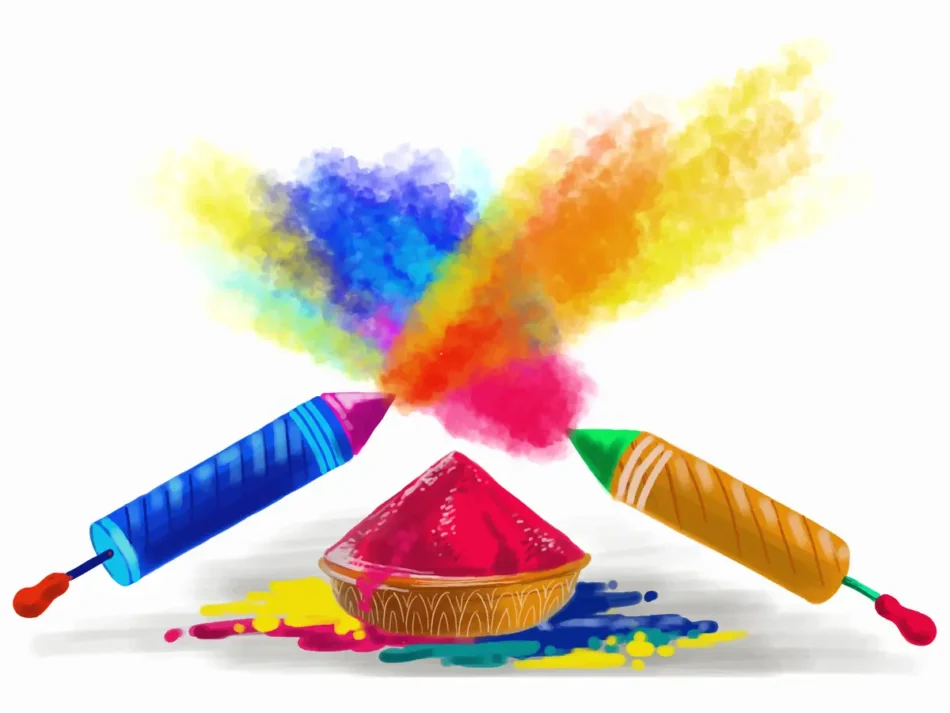
Holi, known as the Festival of Colours, is one of the most vibrant and widely celebrated festivals in India, symbolizing the arrival of spring and the victory of good over evil. In 2026, this festival will be observed on March 3 and March 4, with Holika Dahan taking place on the evening of March 3.
The festival is marked by joyous celebrations that bring together people from all walks of life, fostering a spirit of unity and love. The significance of Holi lies not only in its festive atmosphere but also in its deep-rooted cultural and spiritual meanings.
Continue Reading
Date and Rituals of Holi 2026
In 2026, Holi will commence with Holika Dahan on Tuesday, March 3, followed by Rangwali Holi on Wednesday, March 4. The Purnima Tithi will begin on March 2 at 5:55 PM and conclude on March 3 at 5:07 PM. Holika Dahan should be performed after sunset during the Pradosh period, avoiding the Bhadra Muhurat timings from 02:35 AM to 04:30 AM.
Significance of Holi
The festival of Holi is steeped in mythological significance. It commemorates the story of Prahlad, a devout follower of Lord Vishnu, and his triumph over his father, the demon king Hiranyakashyap. The king’s sister, Holika, attempted to burn Prahlad alive but was consumed by the flames instead, symbolizing the victory of faith and righteousness. This narrative is celebrated through the ritual of Holika Dahan, where bonfires are lit to signify the destruction of evil.
Regional Celebrations of Holi
Holi is celebrated with various regional flavors across India, each showcasing unique customs and traditions:
Uttar Pradesh (Braj Region)
- Lathmar Holi (Barsana & Nandgaon): Women playfully hit men with sticks while men defend themselves, reflecting the playful interactions of Radha and Krishna.
- Phoolon Ki Holi (Vrindavan): Celebrated at the Banke Bihari Temple, this involves throwing flower petals instead of colors.
West Bengal & Odisha
- Dol Jatra / Basant Utsav: Idols of Krishna and Radha are paraded, accompanied by music and dance, particularly in Shantiniketan.
Punjab
- Hola Mohalla: A three-day event featuring displays of martial arts and traditional sports initiated by Guru Gobind Singh.
Maharashtra
- Rang Panchami: Celebrated five days after Holi, featuring events like Dahi Handi, where human pyramids break pots of buttermilk.
Goa
- Shigmo: A month-long festival with vibrant parades and traditional folk dances.
Manipur
- Yaosang: A six-day festival combining local traditions with Hindu practices, highlighted by folk dances.
Other Unique Traditions
- Masaan Holi (Varanasi): Devotees play with ashes from funeral pyres to honor Lord Shiva.
- Kumaoni Holi (Uttarakhand): A musical celebration featuring classical ragas related to the festival.
- Manjal Kuli (Kerala): Celebrated primarily by the Konkani community using turmeric water as a color.
Historical Origins of Holi
The origins of Holi can be traced back to ancient Hindu mythology. The festival serves as a reminder of the eternal struggle between good and evil, embodied in the story of Prahlad and Hiranyakashyap. The bonfire of Holika Dahan symbolizes the purification of the soul and the triumph of good over malevolent forces.
Rangwali Holi, celebrated the day after Holika Dahan, represents the divine love between Radha and Krishna and marks the end of winter and the arrival of spring, making it a time for renewal and joy.
Conclusion
Note: Holi serves as a powerful reminder of the victory of good over evil, fostering unity and joy among communities. Its diverse celebrations across India highlight the rich cultural tapestry of the nation, making it a festival of great significance.
Frequently Asked Questions
Holi signifies the victory of good over evil, commemorating the story of Prahlad and Holika, and celebrates the arrival of spring.
Holi will be celebrated on March 4, 2026, with Holika Dahan occurring on the evening of March 3.
Holi is celebrated with various regional traditions, including Lathmar Holi in Uttar Pradesh, Hola Mohalla in Punjab, and Shigmo in Goa, each showcasing