Fresh Excavations at Lothal Point to Thriving Trade Activity in Harappan Era
- Recent excavations at Lothal reveal significant evidence of trade and manufacturing during the Harappan era.
- The discovery of a dockyard indicates extensive maritime trade activities.
- Findings include metallic artifacts and specialized structures suggesting large-scale production.
Recent archaeological excavations at Lothal, a prominent site of the Harappan civilization, have uncovered compelling evidence of its role as a major commercial hub. Led by the Archaeological Survey of India (ASI), these excavations are shedding light on the thriving trade activities that characterized this ancient settlement.
The renewed interest in Lothal, located approximately 80 kilometers from Ahmedabad, marks the first extensive excavation in over five decades. This article delves into the findings and their implications for understanding the economic landscape of the Harappan civilization.
Continue Reading
Background of Lothal
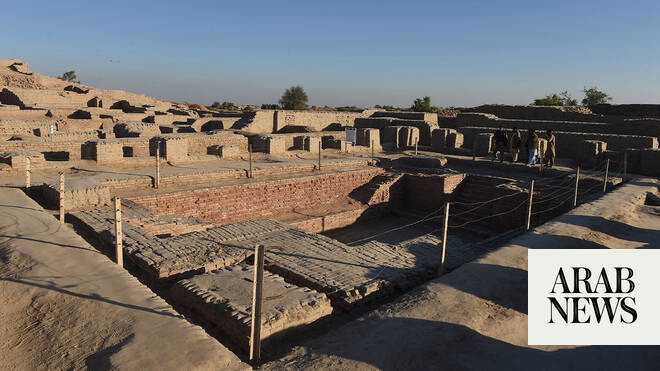
Lothal is one of the most significant archaeological sites of the Indus Valley Civilization, known for its well-planned dockyard and urban infrastructure. The site was first excavated in the 1950s, revealing a sophisticated urban settlement that thrived around 2400 BCE. Its strategic location near the Gulf of Khambhat facilitated maritime trade, making it a crucial point for commerce and cultural exchange.
Recent Excavation Efforts
Under the leadership of Dr. Shubham Majumdar, Superintendent Archaeologist of the ASI Vadodara Circle, the current excavation efforts aim to explore the site’s potential further. With the establishment of 36 new trenches, the team is meticulously uncovering layers of history that have remained hidden for centuries.
Dr. Majumdar emphasized the importance of these excavations, stating, “We are optimistic about uncovering more artifacts that will deepen our understanding of the Harappan civilization.” The team’s findings thus far have already provided significant insights.
Key Discoveries
Evidence of Trade Activities
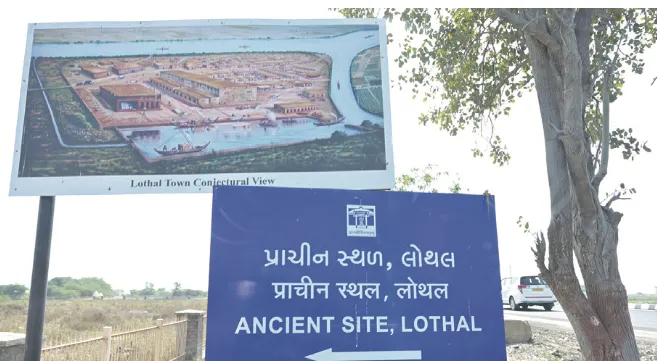
One of the most notable discoveries is the dockyard, which serves as a clear indication of maritime trade activities. This structure suggests that Lothal was not only a manufacturing hub but also a point of export for goods produced in the region. The presence of the dockyard aligns with historical accounts of the Harappan civilization’s extensive trade networks, which connected them with distant regions.
Manufacturing Insights
Excavations have revealed various structures indicative of large-scale manufacturing. Among these are burner-like structures believed to have been used for producing clay utensils and other items. This finding supports the notion that Lothal was a center for industrial activity, contributing to the economic prosperity of the Harappan civilization.
Metallic Artifacts
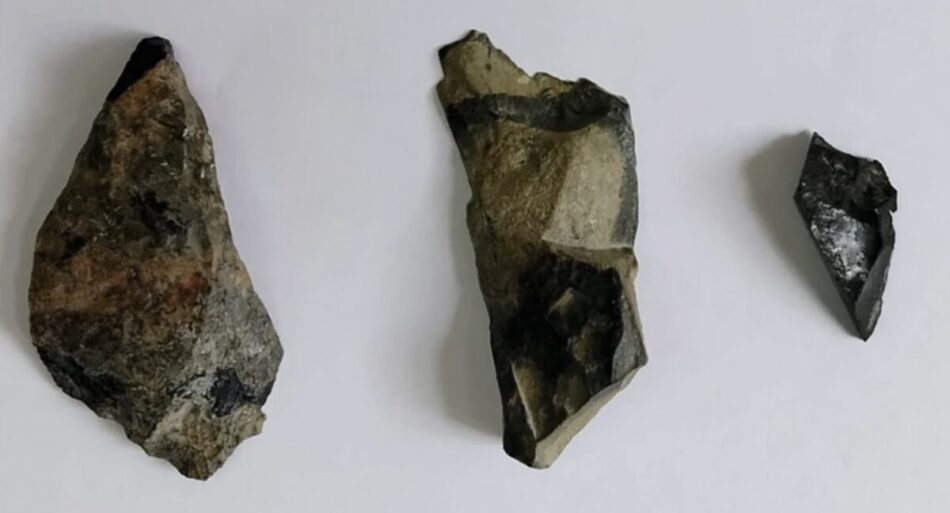
The recovery of metallic pieces, including traces of gold and copper, further underscores the advanced metallurgical skills of the inhabitants. These artifacts suggest that Lothal was involved in the production of metal goods, which would have been essential for both local use and trade.
Implications for Historical Research
The ongoing excavation work at Lothal is poised to significantly enhance our understanding of the Harappan civilization. The discoveries made thus far point to a complex society engaged in extensive trade and manufacturing. This challenges previous perceptions of the Harappan economy as primarily agrarian.
Moreover, the evidence of specialized structures and tools indicates a level of craftsmanship and industrial organization that was previously underestimated. As more artifacts are uncovered, historians and archaeologists are hopeful that they will gain a clearer picture of the socio-economic dynamics of this ancient civilization.
Future Prospects
The ASI’s commitment to further excavations at Lothal signifies a growing recognition of the site’s importance in understanding ancient trade networks. As excavation efforts continue, the potential for discovering additional artifacts remains high, which could lead to groundbreaking insights into the Harappan era.
In addition to archaeological significance, the findings at Lothal have implications for modern trade and economic studies. Understanding how ancient civilizations engaged in commerce can provide valuable lessons for contemporary economic practices.
Conclusion
As the excavation at Lothal progresses, it is clear that this site holds the key to unlocking the mysteries of the Harappan civilization’s economic activities. The evidence of trade, manufacturing, and advanced metallurgy paints a picture of a thriving society that was well-connected and economically sophisticated. The findings not only contribute to historical knowledge but also inspire a deeper appreciation for the complexities of ancient trade systems.
Note: Provide a strategic conclusion reinforcing long-term business impact and keyword relevance.
Frequently Asked Questions
The recent excavations at Lothal reveal its role as a major trade and manufacturing hub during the Harappan era, providing insights into the economic activities of the civilization.
Artifacts include a dockyard, burner-like structures for manufacturing, and metallic pieces such as gold and copper, indicating advanced industrial activities.
The findings challenge previous notions of the Harappan economy, highlighting its complexity and the significance of trade and manufacturing in its societal structure.