Indian Man Admits Plot to Kill US-Based Sikh Separatist Leader
An Indian man has pleaded guilty to charges related to a plot to assassinate a Sikh separatist leader residing in the United States. This case has garnered significant attention due to its implications for international relations and the ongoing tensions surrounding the Khalistan movement.
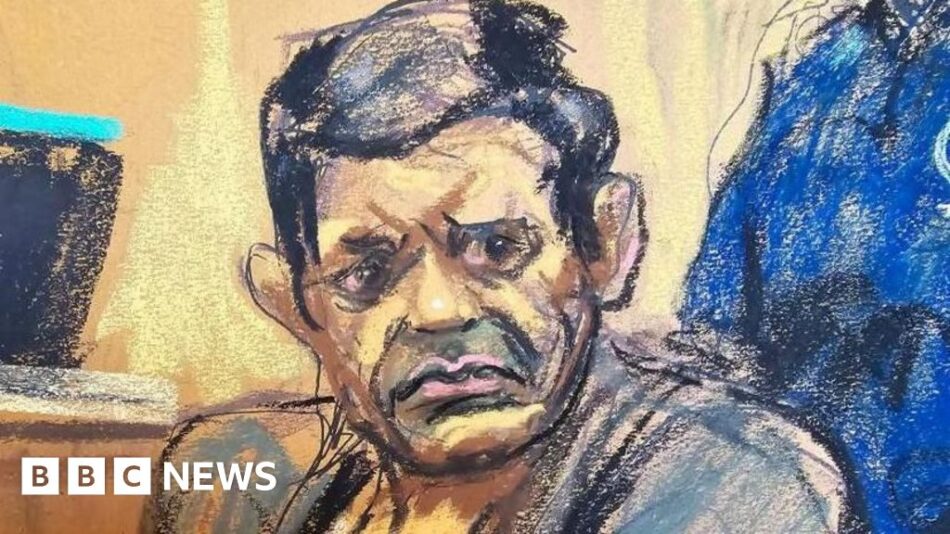
Nikhil Gupta, 54, admitted to multiple charges including murder-for-hire and conspiracy to commit money laundering, which could result in a lengthy prison sentence. The target of this alleged plot, Gurpatwant Singh Pannun, advocates for an independent Sikh homeland, raising questions about the intersection of activism and legal boundaries.
Continue Reading
Background of the Khalistan Movement
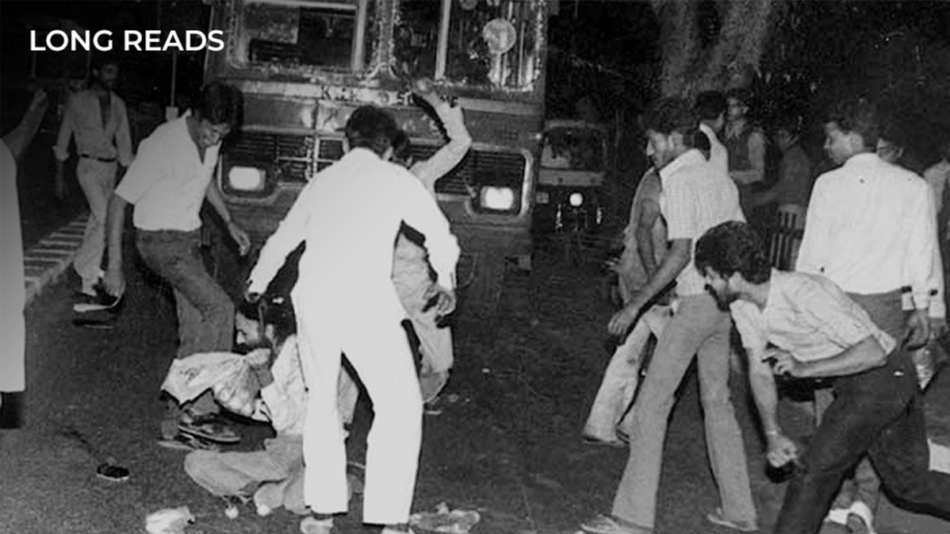
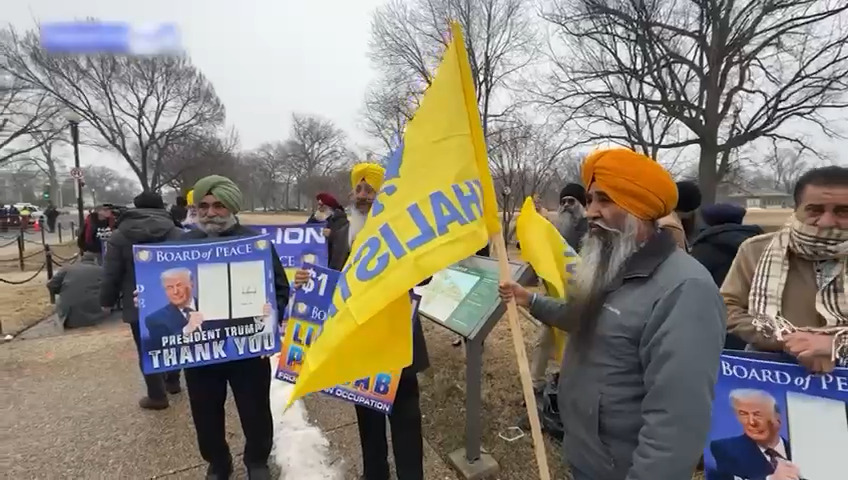
The Khalistan movement seeks to establish a separate nation for Sikhs in India, known as Khalistan. The movement has historical roots dating back to the 1940s and has seen various phases of activism and violence. While the movement is not as prominent within India today, it continues to have a vocal support base among the Sikh diaspora, particularly in countries like Canada and the United States.
Details of the Plot
According to federal prosecutors, Nikhil Gupta was allegedly recruited by Vikash Yadav, an employee of the Indian government’s Cabinet Secretariat, to carry out the assassination. Gupta’s admission of guilt includes charges of:
- Murder-for-hire
- Conspiracy to commit murder-for-hire
- Conspiracy to commit money laundering
Gupta was reportedly directed to contact a hitman to execute the plot in New York City, where Pannun resides. The alleged hitman turned out to be an undercover officer from the Drug Enforcement Administration (DEA).
Recruitment and Execution
Prosecutors allege that Gupta and Yadav met in Delhi in May 2023 to discuss the assassination. Yadav provided Gupta with critical information about Pannun, including his address and phone numbers, which Gupta then relayed to the purported hitman.
In a chilling revelation, Gupta indicated that there were multiple targets associated with the Khalistan movement, referencing the murder of Hardeep Singh Nijjar, another Sikh activist who was killed in Canada. This connection has raised alarms about the potential involvement of Indian authorities in extrajudicial actions against dissenters abroad.
Legal Implications and Responses
The case has sparked significant debate regarding the legal ramifications of international plots to assassinate individuals based on their political beliefs. U.S. Attorney Jay Clayton emphasized that Gupta’s actions were a direct violation of American law, stating:
“Nikhil Gupta plotted to assassinate a US citizen in New York City. He thought that from outside this country he could kill someone in it without consequence, simply for exercising their American right to free speech. But he was wrong, and he will face justice.”
In response to Gupta’s guilty plea, Pannun stated that it serves as confirmation of the Indian government’s involvement in orchestrating a murder-for-hire plot on American soil. India, however, has categorically denied any involvement in the assassination attempt.
International Relations and Diplomatic Tensions
This incident has further strained relations between India and the United States, especially concerning issues of human rights and freedom of speech. The U.S. has been criticized for its handling of cases involving foreign nationals accused of politically motivated crimes, particularly when they involve advocacy for self-determination.
Key points of concern include:
- Potential violations of international law regarding extrajudicial killings.
- The impact on the Sikh community and their advocacy for Khalistan.
- Future diplomatic relations between India and the U.S. in light of these allegations.
Frequently Asked Questions
Nikhil Gupta pleaded guilty to murder-for-hire, conspiracy to commit murder-for-hire, and conspiracy to commit money laundering.
The target of the assassination plot was Gurpatwant Singh Pannun, a Sikh separatist leader advocating for an independent Khalistan.
The case has raised concerns about international law violations and has the potential to strain diplomatic relations between the U.S. and India, particularly regarding human rights and freedom of speech.
Note: This case highlights the complex interplay between activism, international law, and the responsibilities of nations to protect individuals’ rights, regardless of their political beliefs.