5 Indian Temples that Defy Science
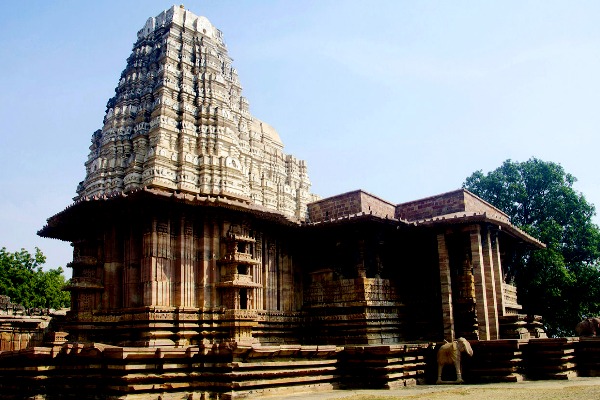
India is home to numerous temples, each with its own unique architecture and cultural significance. Among these, there are certain temples that seem to defy the laws of science, captivating both devotees and skeptics alike.
This article explores five such temples, highlighting their intriguing features that challenge our understanding of physics, engineering, and spirituality.
Continue Reading
1. Jagannath Temple
Located in Puri, Odisha, the Jagannath Temple is one of the Char Dhams and is renowned for its mysterious construction. Two of the most fascinating phenomena associated with this temple are:
- The temple flag always flutters in the opposite direction of the wind.
- The main temple casts no shadow at any time of the day, defying principles of light and physics.
These anomalies have led to various theories, but no definitive explanations have been established, making it a subject of intrigue for scientists and visitors alike.
2. Mehndipur Balaji Temple
The Mehndipur Balaji Temple, located in Rajasthan, is not just a place of worship but a site where faith intertwines with mysterious rituals. This temple is famous for:
- Its role in curing ailments believed to be caused by black magic or evil spirits.
- The unique rituals performed here, which attract many devotees seeking relief from their troubles.
The temple’s reputation for miraculous cures continues to draw visitors, raising questions about the intersection of belief and the unexplained.
3. Kamakhya Temple
Situated in Assam, the Kamakhya Temple is dedicated to the Goddess Kamakhya and is one of the oldest of the 51 Shakti Peethas. This temple is particularly known for:
- The ‘bleeding goddess’ phenomenon, where the temple’s sanctum reportedly undergoes menstruation-like bleeding during the Ambubachi Mela.
- The rich spiritual significance and the mystique surrounding its rituals.
This phenomenon has baffled scholars and devotees alike, as it defies scientific explanation and adds to the temple’s allure.
4. Kailasa Temple
The Kailasa Temple in Ellora is a remarkable architectural feat, carved from a single rock. Some of its intriguing features include:
- The intricate carvings that depict stories from the Ramayana, showcasing an advanced level of craftsmanship.
- Archaeologists estimate that around 30 million carvings in Sanskrit remain to be discovered.
The sheer scale and detail of the temple’s construction raise questions about the techniques and tools used by artisans of that era, as many believe such skills are lost to time.
5. Veerabhadra Temple
Located in Lepakshi, the Veerabhadra Temple is famous for its hanging pillar, which is a marvel of ancient Indian engineering. Key features of this temple include:
- One of the 70 pillars hangs off the ground, creating a space beneath it that is so thin that a cloth can be placed underneath without touching the floor.
- The temple is built in the Vijayanagara style of architecture, known for its grandeur and intricate details.
This architectural wonder continues to baffle visitors and engineers, as it challenges conventional understanding of structural design.
Frequently Asked Questions
These temples are unique due to their architectural marvels and phenomena that defy scientific explanations, such as the hanging pillar in Veerabhadra Temple and the shadowless Jagannath Temple.
While various theories exist, many of the phenomena associated with these temples remain unexplained, leading to ongoing intrigue and research.
The unique architectural features, along with their spiritual significance and the mysteries surrounding them, attract a large number of visitors and devotees.
Note: The temples discussed in this article highlight the intersection of faith and the unexplained, showcasing the rich cultural heritage of India.