Amalaki Ekadashi 2026: Rituals, Timings, and Significance
- Amalaki Ekadashi in 2026 occurs on February 27, coinciding with the Shukla Paksha of Phalgun month.
- Devotees observe a fast and perform rituals to worship Lord Vishnu and the Amla tree.
- Auspicious timings for rituals include Brahma Muhurta and Sarvartha Siddhi Yoga.
- Understanding the vrat katha helps deepen the spiritual significance of this Ekadashi.
Amalaki Ekadashi, a significant festival in Hindu tradition, is observed on February 27, 2026. This day is dedicated to the worship of Lord Vishnu and the sacred Amla tree, known for its health benefits and spiritual significance.
The observance of this Ekadashi is not only a spiritual practice but also a means to seek blessings for prosperity and well-being. The rituals associated with Amalaki Ekadashi are deeply rooted in tradition and provide devotees with an opportunity to connect with the divine.
Continue Reading
Auspicious Timings for Amalaki Ekadashi 2026
According to the Drik Panchang, the auspicious timings for Amalaki Ekadashi on February 27, 2026, are as follows:
- Ekadashi Tithi Begins: 12:33 AM
- Ekadashi Tithi Ends: 10:32 PM
- Brahma Muhurta: 05:09 AM to 05:59 AM
- Pratah Sandhya: 05:34 AM to 06:48 AM
- Abhijit Muhurta: 12:11 PM to 12:57 PM
- Vijaya Muhurta: 02:29 PM to 03:15 PM
- Godhuli Muhurta: 06:17 PM to 06:42 PM
- Sayahna Sandhya: 06:20 PM to 07:34 PM
- Sarvartha Siddhi Yoga: 10:48 AM to 06:47 AM (February 28)
- Nishita Muhurta: 12:09 AM to 12:58 AM (February 28)
- Ravi Yoga: 06:48 AM to 10:48 AM
Rituals and Practices on Amalaki Ekadashi
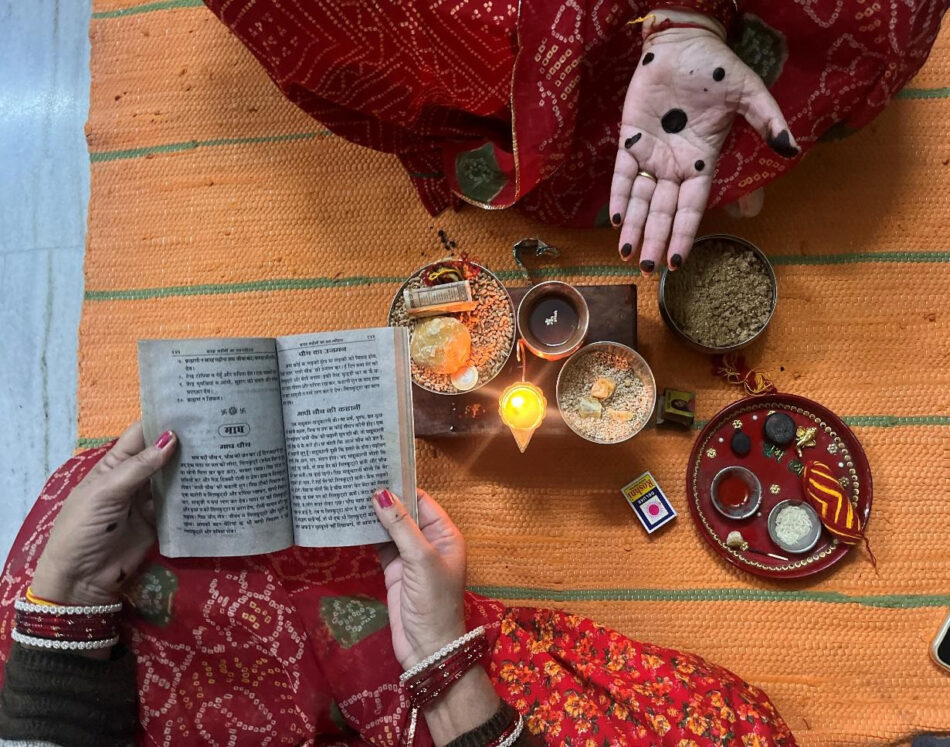
On Amalaki Ekadashi, devotees engage in various rituals to honor Lord Vishnu and the Amla tree. The following practices are commonly observed:
- Fasting: Devotees observe a fast throughout the day. If abstaining from food is challenging, they may consume milk, fruits, or fruit juice.
- Morning Rituals: It is essential to wake up early, take a holy bath, and visit a temple. Offering water to the Sun God is also a significant practice.
- Worship Order: Begin by worshipping Lord Ganesha, followed by Lord Vishnu and Mahalakshmi. Adorn the deities with new clothes, garlands, and flowers.
- Offerings: Sweets and Tulsi leaves should be offered during the puja. Incense and lamps are lit, and an aarti is performed.
- Feeding the Needy: On Dwadashi Tithi, which follows Ekadashi, devotees should feed a needy person before breaking their fast.
The Vrat Katha of Amalaki Ekadashi
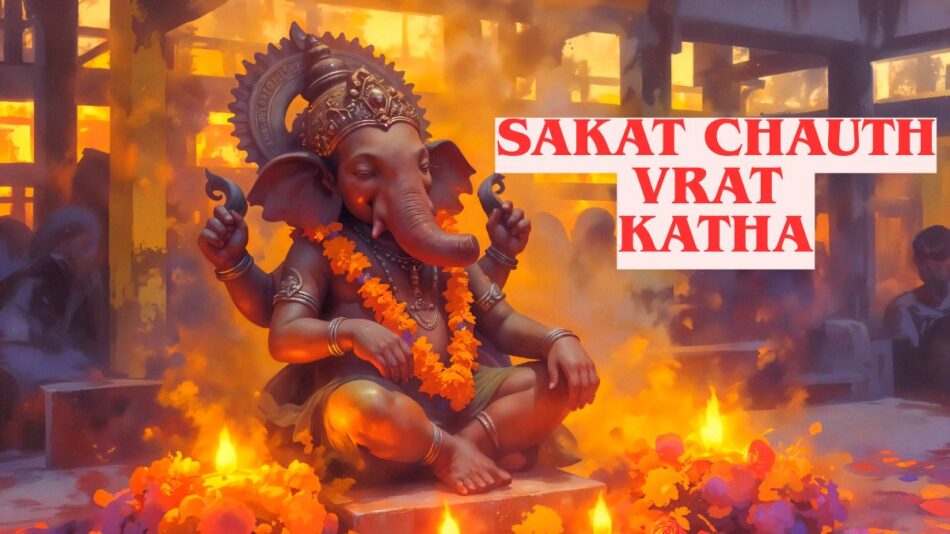
The vrat katha, or sacred story, associated with Amalaki Ekadashi narrates the tale of King Vasurath. The king faced challenges from bandits but was saved through the grace of Lord Vishnu. His previous observance of the Ekadashi fast and listening to the vrat katha played a crucial role in his salvation. This story emphasizes the importance of faith and the blessings that come from observing the fast.
Significance of Amalaki Ekadashi
Amalaki Ekadashi holds immense significance in Hindu culture. The Amla tree symbolizes health and longevity, and its worship is believed to bring prosperity and well-being. Observing this Ekadashi helps devotees purify their souls and seek divine blessings. The rituals performed on this day are not only acts of devotion but also a means to cultivate a deeper connection with spirituality.
Conclusion
Note: Amalaki Ekadashi serves as a reminder of the importance of faith and devotion in achieving spiritual growth and well-being. Observing the rituals and understanding their significance can lead to long-term benefits for devotees.
Frequently Asked Questions
Amalaki Ekadashi is a Hindu festival dedicated to the worship of Lord Vishnu and the Amla tree, observed on the Shukla Paksha of the Phalgun month.
In 2026, Amalaki Ekadashi will be celebrated on February 27.
Devotees observe fasting, perform puja, offer water to the Sun God, and feed the needy as part of the rituals on Amalaki Ekadashi.