Fasting, Faith, And Female Bodies: A Feminist Reading Of Vrat Kathas
- Vrat kathas serve as a ritualistic medium for women to navigate social norms and personal identity.
- The storytelling ritual emphasizes the transformation of suffering into sacred meaning.
- Understanding the cultural significance of fasting can empower women’s voices in spiritual practices.
The tradition of vrat kathas involves storytelling rituals that are deeply embedded in the cultural practices of women, particularly in Hindu communities. These narratives are not merely tales but serve as a means for women to articulate their experiences, beliefs, and societal roles.
Through the lens of feminism, analyzing these rituals reveals how they shape and reflect the complexities of female identity, devotion, and societal expectations. The act of fasting, accompanied by the telling of these stories, becomes a powerful ritual that intertwines faith and female bodies.
Continue Reading
The Role of Ritual in Vrat Kathas
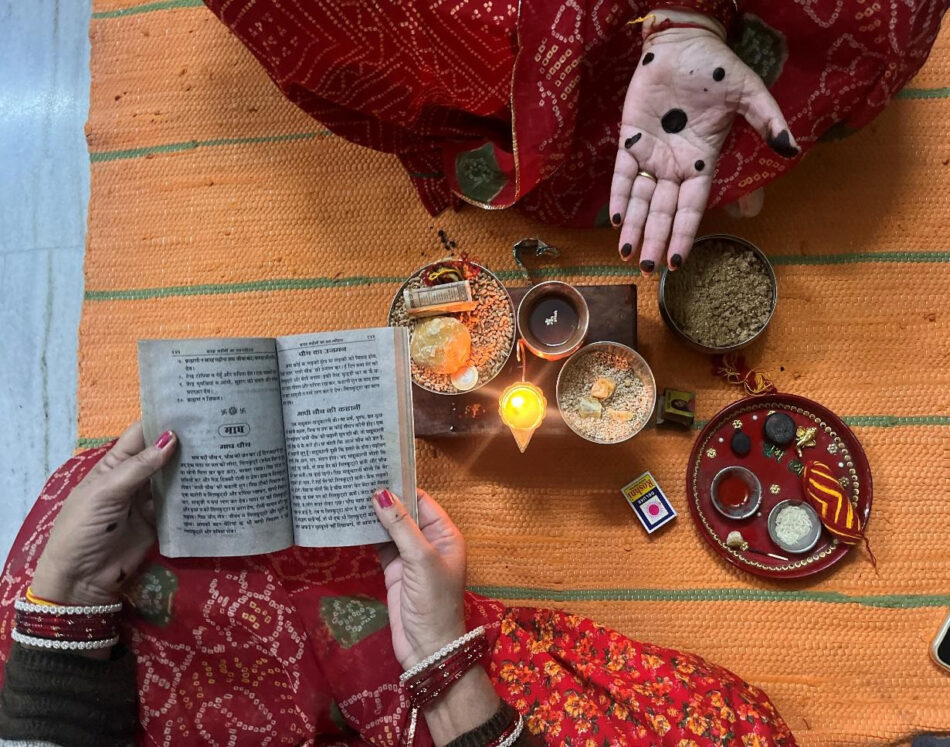
Within the context of vrat kathas, ritual plays a crucial role in how women engage with their faith and community. A typical scene involves a group of women gathering to observe a fast, often led by an elder who guides the younger members in the storytelling process. This communal aspect fosters a sense of belonging and shared experience.
As the women prepare for the ritual, they engage in various practices such as applying mehendi and adjusting their traditional attire. These actions not only signify their marital status but also reinforce their roles within the community. The storytelling begins only after specific preparations are made, highlighting the ritual’s significance in their lives.
Meaning and Transformation
The act of fasting during the vrat katha is not merely about abstaining from food; it is a form of devotion that transforms the body into a site of spiritual labor. Women often describe the initial difficulty of fasting, but many express that it becomes a habit, suggesting a deeper psychological and cultural significance attached to the practice.
As the stories unfold, they often depict women facing trials and tribulations, showcasing their resilience and unwavering faith. The narratives serve to reinforce societal values such as duty, virtue, and devotion, which are central to the female experience. This repetition of stories creates an aura of factuality around these beliefs, as noted by anthropologist Clifford Geertz.
Rituals as Collective Worship
The domestic spaces where these rituals occur are temporarily transformed into sacred sites. The vrat katha book itself is treated with reverence, symbolizing the intersection of faith and female identity. Women often place the book alongside deities, emphasizing its importance in their spiritual practice.
This transformation of space illustrates how rituals can shape collective identity and reinforce cultural norms. The act of storytelling becomes a shared performance, allowing women to express their beliefs and experiences while affirming their roles within the community.
Glorifying Suffering and Sacrifice
Many vrat kathas follow a predictable narrative arc, often beginning with a woman’s suffering or crisis. The protagonist undertakes a fast, demonstrating her devotion to a particular goddess. This journey typically culminates in divine intervention, often manifesting as rewards tied to male well-being, such as the health of a husband or the birth of a son.
This structure raises critical questions about the portrayal of women in these narratives. While the stories celebrate female devotion, they also reinforce traditional gender roles that prioritize male needs and desires. The glorification of suffering and sacrifice can be viewed as a double-edged sword, as it both empowers women through their faith and simultaneously confines them within societal expectations.
Empowerment Through Understanding
Understanding the cultural significance of vrat kathas can empower women to reclaim their narratives and challenge the limitations imposed by tradition. By recognizing the transformative power of these rituals, women can navigate their identities in ways that reflect their personal beliefs and experiences.
In contemporary discussions around feminism and spirituality, it is essential to critically engage with these practices. Women can find strength in the stories told during vrat kathas, using them as a foundation for personal empowerment and collective action.
Frequently Asked Questions
Vrat kathas are ritualistic storytelling practices in Hindu culture, primarily observed by women during fasting. They convey moral and spiritual lessons while reinforcing cultural norms.
Vrat kathas empower women by allowing them to articulate their experiences and beliefs, fostering a sense of community and shared identity through ritual.
Fasting during vrat kathas is a form of devotion that transforms the body into a site of spiritual labor, reinforcing women’s roles and beliefs within their cultural context.
Note: Provide a strategic conclusion reinforcing long-term business impact and keyword relevance.