Sakat Chauth Vrat Katha: Faith, Greed, and Lord Ganesha’s Lesson
- Understanding the significance of Sakat Chauth in Hindu culture.
- Exploring the lessons imparted by Lord Ganesha during this festival.
- Insights on how faith and greed interplay in spiritual practices.
- Practical tips for observing Sakat Chauth effectively.
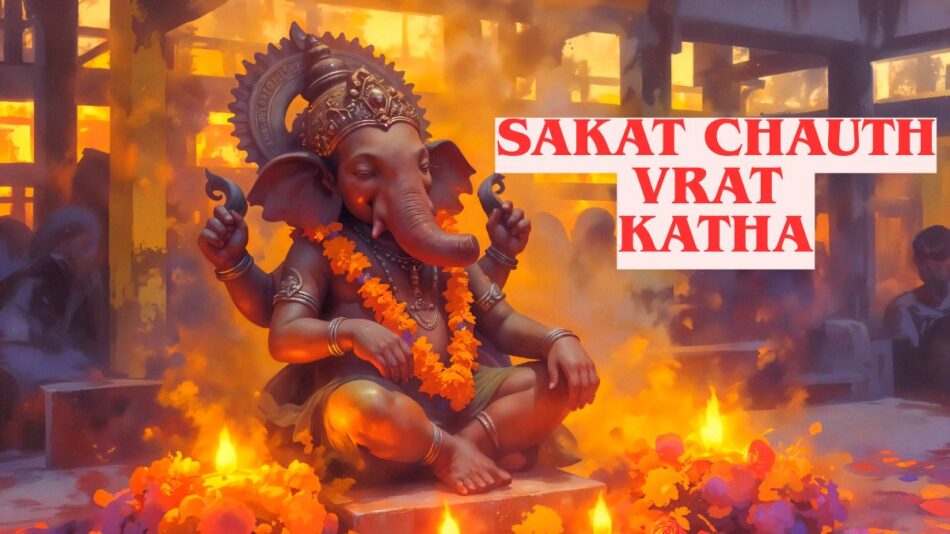
Sakat Chauth is a significant festival celebrated in various parts of India, particularly among Hindu communities. It is dedicated to Lord Ganesha, the remover of obstacles and the god of wisdom. This festival is observed by women who pray for the well-being of their children, seeking blessings for their prosperity and health.
The festival not only highlights the importance of faith but also serves as a reminder of the dangers of greed. Through the Sakat Chauth vrat katha, devotees learn valuable lessons about devotion, selflessness, and the true essence of spiritual fulfillment.
Continue Reading
Historical Context of Sakat Chauth
Sakat Chauth, also known as Sankashti Chaturthi, is celebrated on the fourth day after the full moon in the month of Paush (December-January). The festival is deeply rooted in Hindu mythology and is primarily observed by married women. It is believed that fasting on this day brings prosperity and happiness to their families.
The vrat (fast) is dedicated to Lord Ganesha, who is revered for his wisdom and ability to remove obstacles. The festival is celebrated with great enthusiasm, involving rituals, prayers, and offerings.
Significance of the Vrat Katha
The Sakat Chauth vrat katha narrates the story of a woman who, despite her hardships, remained devoted to Lord Ganesha. Her unwavering faith led to miraculous changes in her life. This tale emphasizes the importance of faith and devotion in overcoming life’s challenges.
As the story unfolds, it also reflects on the consequences of greed. The woman’s initial desires for wealth and abundance led her astray, but her eventual realization of the importance of spiritual wealth transformed her life. This duality of faith and greed serves as a powerful lesson for devotees.
Lessons from Lord Ganesha
Lord Ganesha’s teachings during Sakat Chauth revolve around the themes of humility, gratitude, and selflessness. The festival encourages devotees to reflect on their desires and motivations. Here are some key lessons:
- Faith over Greed: The story emphasizes that true fulfillment comes from faith and devotion, rather than material wealth.
- Selflessness: The vrat teaches the importance of selfless prayers for the well-being of others, particularly children.
- Gratitude: Acknowledging the blessings one has, rather than focusing on what is lacking, is crucial for spiritual growth.
How to Observe Sakat Chauth
Observing Sakat Chauth involves several rituals that enhance the spiritual experience. Here are practical steps to follow:
- Preparation: Clean your home and prepare a sacred space for worship.
- Fasting: Women typically fast from sunrise to moonrise, refraining from food and water.
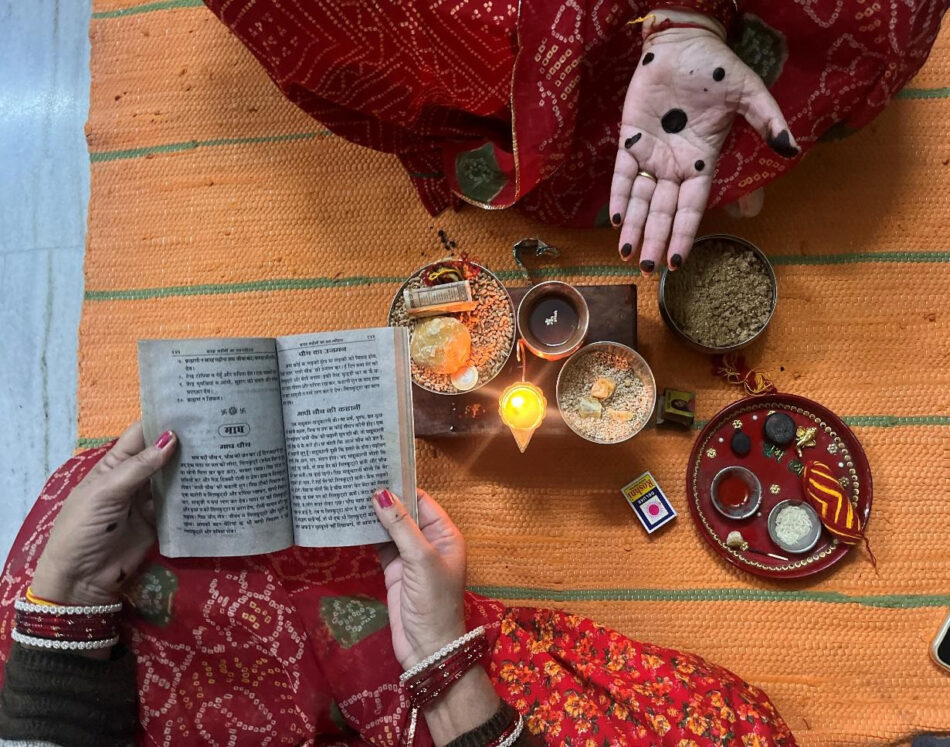
- Puja (Worship): Offer prayers to Lord Ganesha, including flowers, fruits, and sweets. Light a diya (lamp) and recite the vrat katha.
- Breaking the Fast: After sighting the moon, break the fast with a simple meal, expressing gratitude for the blessings received.
The Role of Community in Sakat Chauth
Community plays a vital role in the celebration of Sakat Chauth. Women often gather to share their experiences and stories, fostering a sense of unity and support. This communal aspect reinforces the importance of collective faith and the sharing of spiritual wisdom.
Participating in group prayers or community feasts can enhance the experience, allowing individuals to connect with others who share similar beliefs and values.
Conclusion
Sakat Chauth serves as a profound reminder of the balance between faith and material desires. The lessons imparted through the vrat katha encourage individuals to focus on spiritual growth and selflessness. By observing this festival with devotion, one can cultivate a deeper connection with Lord Ganesha and gain insights into the true meaning of prosperity.
Note: Provide a strategic conclusion reinforcing long-term business impact and keyword relevance.
Frequently Asked Questions
Sakat Chauth is significant as it is dedicated to Lord Ganesha, where women pray for the well-being and prosperity of their children, emphasizing the importance of faith and devotion.
It is observed through fasting, performing puja, and reciting the vrat katha, with a focus on selflessness and gratitude towards Lord Ganesha.
The vrat katha teaches the importance of faith over greed, selflessness, and gratitude, encouraging devotees to focus on spiritual wealth rather than material desires.