Excavations Resume at Mohenjo-Daro to Study Early Harappan City Wall
- Recent excavations at Mohenjo-Daro aim to uncover insights about the early Harappan civilization.
- Understanding the city wall’s construction can provide valuable information about urban planning in ancient societies.
- These findings may enhance tourism and educational opportunities in the region.
- Investing in archaeological research can yield significant cultural and economic returns.
The ancient city of Mohenjo-Daro, a UNESCO World Heritage site, has resumed excavations to explore its early Harappan city wall. This initiative seeks to shed light on the architectural and urban planning strategies of one of the world’s earliest urban centers.
As researchers delve into the remnants of this ancient civilization, the findings could reshape our understanding of the socio-political dynamics and technological advancements of the Harappan people, thus underscoring the importance of preserving and studying such historical sites.
Continue Reading
Historical Significance of Mohenjo-Daro
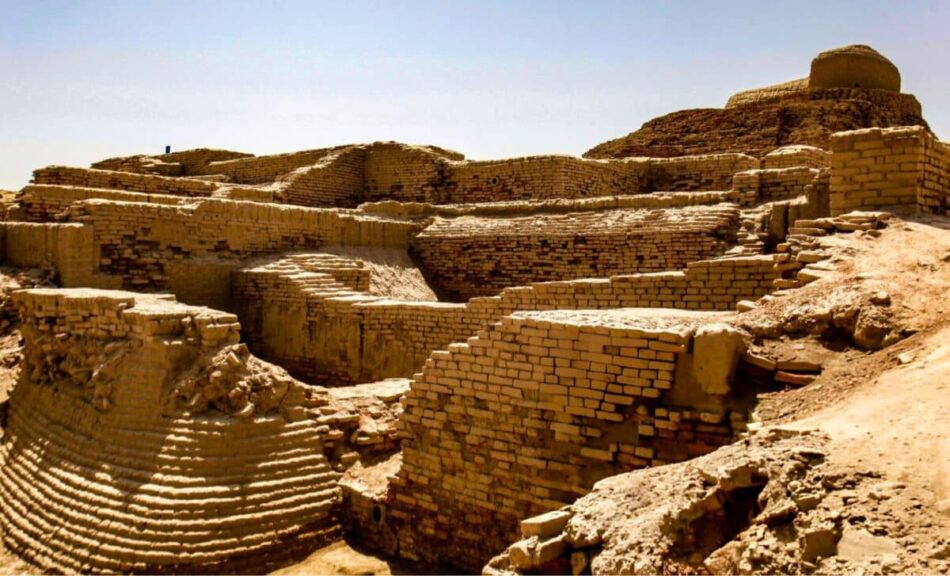
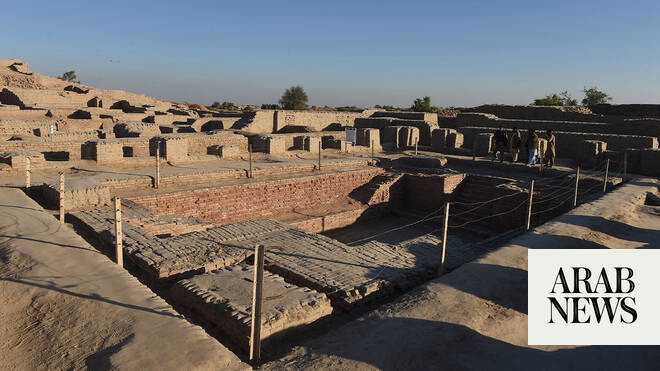
Mohenjo-Daro, located in present-day Pakistan, was one of the largest settlements of the ancient Indus Valley Civilization, flourishing around 2500 BCE. Its sophisticated urban layout, complete with advanced drainage systems, grid-patterned streets, and public baths, indicates a high level of societal organization.
The city wall, a significant feature of Mohenjo-Daro, served not only as a defensive structure but also as a symbol of the city’s power and stability. Understanding its construction and purpose can provide insights into the governance and social structure of the Harappan civilization.
Objectives of the Current Excavation
The primary aim of the current excavations is to analyze the materials and techniques used in the construction of the city wall. Researchers are particularly interested in:
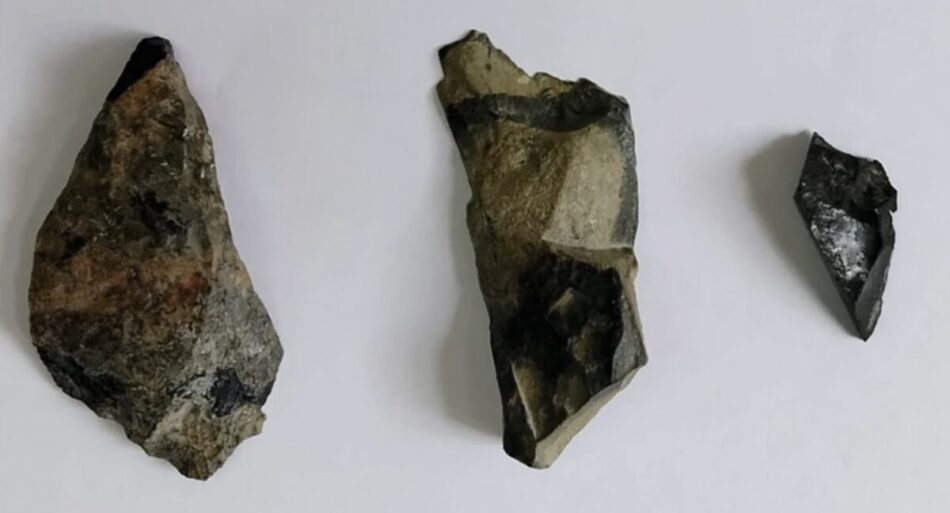
- Identifying the types of materials used, such as mud bricks and stones.
- Understanding the architectural techniques employed in the wall’s construction.
- Exploring the wall’s role in urban defense and its impact on the city’s layout.
- Investigating how the wall might have influenced trade and social interactions within and outside the city.
Methodology of Excavation
The excavation process involves careful stratigraphic digging to preserve the integrity of the site. Archaeologists utilize modern technology, including ground-penetrating radar, to identify potential areas of interest without causing damage to existing structures.
Moreover, interdisciplinary collaboration among archaeologists, historians, and geologists enhances the research quality, allowing for a comprehensive understanding of the site’s significance.
Potential Findings and Their Impact
The findings from these excavations could have far-reaching implications for our understanding of the Harappan civilization. Key potential outcomes include:
- New insights into the construction techniques that could influence modern architectural practices.
- Enhanced knowledge of the socio-political organization of early urban societies.
- Increased interest in the region, potentially boosting tourism and local economies.
- Opportunities for educational programs centered around the Harappan civilization.
Challenges Faced in Excavation
Despite the promising outlook, the excavation team faces several challenges:
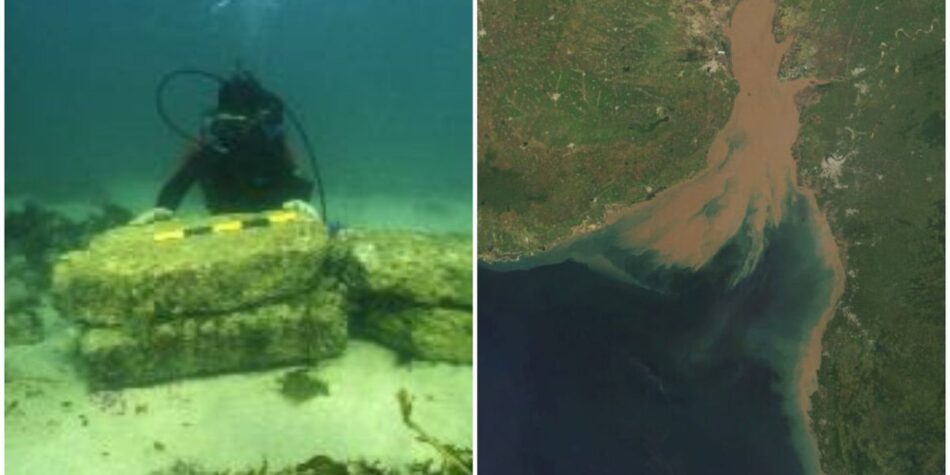
- Environmental factors, such as erosion and flooding, threaten the preservation of the site.
- Lack of funding can limit the scope and duration of the excavation efforts.
- Political instability in the region may hinder access to the site and collaboration with local authorities.
Future of Mohenjo-Daro Excavations
Looking ahead, continued excavations at Mohenjo-Daro are crucial for uncovering the mysteries of the Harappan civilization. As the research progresses, it is essential to engage local communities and stakeholders to promote cultural heritage and sustainable tourism.
Moreover, fostering international collaborations can attract funding and expertise, ensuring the longevity of archaeological efforts in the region.
Conclusion
The resumption of excavations at Mohenjo-Daro marks a significant step towards understanding the complexities of early urban civilizations. By studying the city wall and its construction, researchers can gain valuable insights into the Harappan way of life, ultimately contributing to the broader narrative of human history.
Frequently Asked Questions
Mohenjo-Daro is significant as one of the largest settlements of the ancient Indus Valley Civilization, showcasing advanced urban planning and architecture.
The main objectives include analyzing the construction techniques of the city wall and understanding its role in urban defense and social structure.
Challenges include environmental threats, limited funding, and political instability, which can affect excavation efforts and site preservation.
Note: Provide a strategic conclusion reinforcing long-term business impact and keyword relevance.