Where Prayagraj Got Its Name—Brahma’s First Sacrifice After Creating the World
- Prayagraj, formerly known as Allahabad, derives its name from the ancient Sanskrit term ‘Prayaga,’ meaning ‘place of sacrifice.’
- The city is historically significant, being the site of Brahma’s first sacrifice after the creation of the world.
- Prayagraj serves as a major pilgrimage destination, particularly during the Kumbh Mela, attracting millions of devotees.
- The city’s rich history includes influences from various empires, including the Mauryan and Mughal dynasties.
Prayagraj, located at the confluence of the Ganges and Yamuna rivers, holds a unique place in Indian history and mythology. The city, known for its spiritual significance, is deeply rooted in ancient traditions and cultural heritage.
The name Prayagraj reflects its historical and religious importance, stemming from the belief that it was the site of Brahma’s first sacrifice, marking the beginning of creation. This article explores the origins of the name and the city’s significance through various eras.
Continue Reading
The Mythological Significance of Prayagraj
The ancient name of Prayagraj, ‘Prayaga,’ is derived from the Sanskrit word meaning ‘place of sacrifice.’ According to Hindu mythology, this location was chosen by Lord Brahma for the Prakrishta Yajna, a significant ritual performed after the creation of the world. This event solidified Prayagraj’s status as a sacred site, where the confluence of the Ganga, Yamuna, and the mythical Saraswati rivers creates a divine altar.
Historical Context
Prayagraj’s history is rich and varied, with its roots tracing back to the Vedic period. The city was an important center for the early Indo-Aryans and played a crucial role in the establishment of various dynasties. The Vatsa kingdom, which ruled from Kaushambi, significantly influenced the region’s development.
Inscriptions from the Mauryan emperor Ashoka attest to Prayagraj’s prominence during the ancient Buddhist period. The remnants of Ashoka’s pillar can still be found at the Prayagraj fort, highlighting the city’s long-standing religious significance.
Religious Festivals and Pilgrimage
Prayagraj is best known for hosting the Kumbh Mela, one of the largest religious gatherings in the world. This festival occurs every 12 years, drawing millions of pilgrims who come to bathe in the sacred waters at the confluence of the rivers. The Kumbh Mela is not only a spiritual event but also a significant cultural phenomenon, showcasing the rich traditions of Hinduism.
Influence of Various Empires
Throughout its history, Prayagraj has been influenced by several empires, including the Mauryan, Gupta, and Kushan empires. The city became a vital part of the Kannauj empire, which dominated northern India. Historical accounts, such as those from the Chinese traveler Xuanzang, indicate that Prayagraj was a thriving urban center during the reign of Harshavardhana in the 7th century.
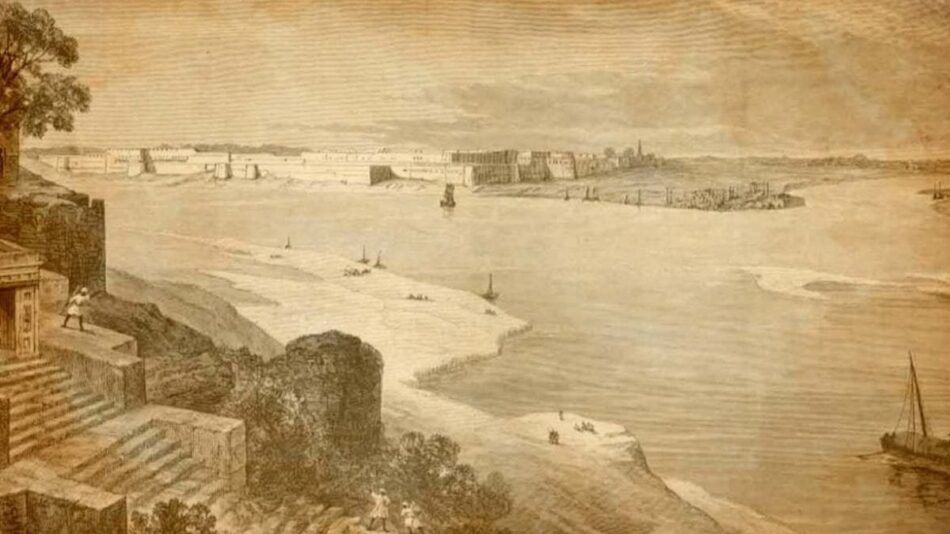
With the arrival of Muslim rulers in the late 12th century, Prayagraj was annexed by Mohammad Ghori and became part of the Delhi Sultanate. The Mughal emperor Akbar recognized the city’s strategic importance and established a fort at the Sangam, renaming it Illahabad in 1575. This fort served as both a military stronghold and a cultural hub.
Architectural Heritage
The architectural landscape of Prayagraj is marked by historical structures such as the Akbar Fort, which incorporates an Ashokan pillar and several temples. The fort’s design reflects the military and administrative significance of the city during the Mughal era. Additionally, Khusrobagh, the burial site of Jehangir’s first wife, further enhances the city’s historical allure.
Colonial Era and Modern Developments
The British colonial period brought significant changes to Prayagraj. The city became a strategic military garrison, and its importance as a gateway to northern India was recognized. After the Battle of Buxar in 1765, the British established control over the region, leading to further development and modernization.
Today, Prayagraj stands as a testament to its rich historical narrative, blending ancient traditions with modern influences. Its name change back to Prayagraj in 2018 reflects a renewed emphasis on its cultural heritage and significance.
Conclusion
Prayagraj’s name and identity are deeply intertwined with its historical and mythological roots. Understanding the origins of its name and the events that shaped its history provides valuable insights into the cultural fabric of India. As a city that has witnessed the rise and fall of empires, Prayagraj continues to be a vital center of spirituality and heritage.
Frequently Asked Questions
Prayagraj is believed to be the site where Lord Brahma performed his first sacrifice after creating the world, making it a sacred place for Hindu rituals and pilgrimages.
The Kumbh Mela is held every 12 years in Prayagraj, attracting millions of pilgrims who come to bathe in the holy waters at the confluence of the Ganges and Yamuna rivers.
Prayagraj has been influenced by various empires, including the Mauryan, Gupta, Kushan, and Mughal empires, each contributing to its rich cultural and historical landscape.
Note: Provide a strategic conclusion reinforcing long-term business impact and keyword relevance.