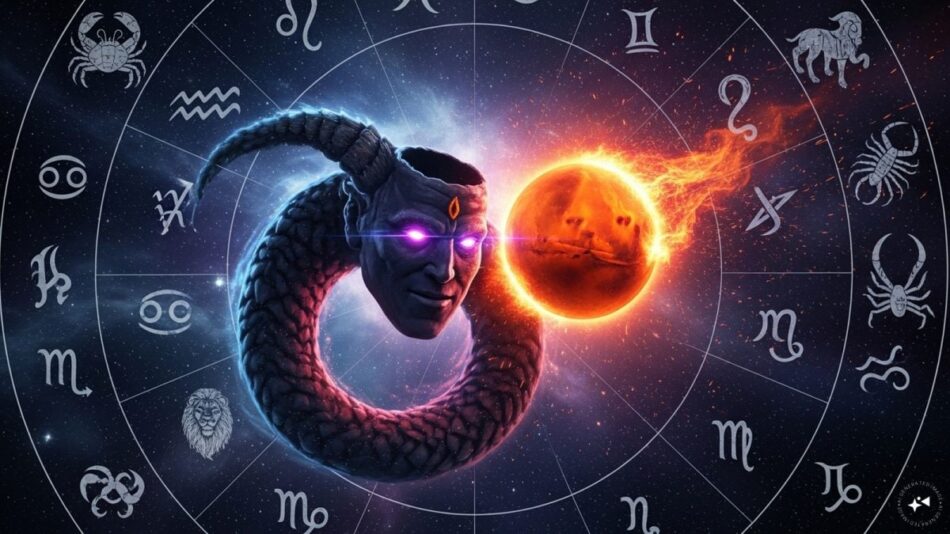
Astrology: Chart, Zodiac Signs, Meaning, Definition, History, India, Europe, & Horoscopes
- Astrology provides insights into personality and life events through birth charts.
- Understanding the historical development of astrology enhances its relevance in modern contexts.
- Different cultures have unique astrological systems, including Western and Vedic astrology.
- Astrology continues to engage millions, despite being labeled a pseudoscience.
Astrology is a fascinating field that intertwines celestial movements with human experiences. It encompasses various practices, including the interpretation of zodiac signs and the creation of horoscopes, which many believe offer insights into personalities and life paths.
The significance of astrology extends beyond mere entertainment; it reflects cultural beliefs and historical developments that have shaped societies across the globe. This article explores the meaning, history, and various systems of astrology, particularly focusing on its evolution in India and Europe.
Continue Reading
Understanding Astrology
Astrology is defined as a type of divination that forecasts earthly and human events through the observation of celestial bodies such as stars, the Sun, the Moon, and planets. The positions of these celestial bodies at specific times are interpreted according to various cultural models. For many, the astrological chart created at the time of one’s birth is believed to provide crucial insights into their life and personality traits.
The Zodiac Signs
The zodiac is a significant element in astrology, consisting of twelve signs, each representing different personality traits and life paths. These signs are:
- Aries (March 21 – April 19)
- Taurus (April 20 – May 20)
- Gemini (May 21 – June 20)
- Cancer (June 21 – July 22)
- Leo (July 23 – August 22)
- Virgo (August 23 – September 22)
- Libra (September 23 – October 22)
- Scorpio (October 23 – November 21)
- Sagittarius (November 22 – December 21)
- Capricorn (December 22 – January 19)
- Aquarius (January 20 – February 18)
- Pisces (February 19 – March 20)
Each sign is associated with specific characteristics, strengths, and weaknesses, shaping how individuals interact with the world around them.
Historical Development of Astrology
Astrology’s roots can be traced back to ancient civilizations, where it was regarded as a science. In the ancient Middle East, particularly in Mesopotamia, celestial omens were believed to influence earthly events. This belief system spread to various cultures, including Egypt, Greece, and India, evolving over centuries.
During the Hellenistic period, astrology became more structured, with astrologers casting horoscopes based on the zodiac and celestial positions at birth. This period marked a significant shift, as astrology began to be formalized into a system that is still referenced today.
Astrology in India
In India, astrology, known as Jyotish, has a rich history dating back to the Vedic period. Early Indian astrology was based on lunar mansions called nakshatras. The influence of Mesopotamian astrology reached India around the 5th century BCE, leading to the integration of various astrological concepts into a unique system that includes both the zodiac and nakshatras.
By the 2nd and 3rd centuries CE, Greek astrological texts were translated into Sanskrit, further enriching Indian astrology. This blend of influences created a complex system that continues to be practiced widely in India today.
Astrology in Europe
In Europe, astrology underwent a transformation during the Renaissance, where it was viewed as a legitimate science. The revival of interest in classical texts led to the integration of astrology with other disciplines, including medicine and philosophy. However, the rise of the scientific method in the 17th century marked a decline in astrology’s status, leading to its classification as a pseudoscience in modern times.
Despite this, astrology remains popular in various forms, such as horoscopes in newspapers and online platforms, drawing millions of followers who seek guidance and insights from astrological readings.
Types of Astrology
There are several branches of astrology, each serving different purposes:
- Genethlialogy: This branch focuses on creating a birth chart that outlines an individual’s life path based on celestial positions at birth.
- General astrology: This type relates celestial events to broader social phenomena, affecting groups or nations.
- Catarchic astrology: This branch determines auspicious times for starting new ventures or activities.
- Interrogatory astrology: In this type, clients pose specific questions to astrologers, who provide insights based on celestial positions.
Modern Perspectives on Astrology
Today, astrology is often viewed skeptically within scientific communities, classified as a pseudoscience. However, it retains a significant following, with many individuals finding comfort and guidance in astrological practices. The appeal of astrology lies in its ability to offer a sense of control and understanding in an unpredictable world.
Astrology’s cultural significance is undeniable, as it continues to influence art, literature, and personal beliefs across various societies. While its scientific validity is debated, the emotional and psychological impact of astrology on its adherents is profound.
Frequently Asked Questions
Astrology is a divination practice that forecasts events based on the positions and movements of celestial bodies.
Astrology originated in ancient Mesopotamia and evolved through cultural exchanges with Egypt, Greece, and India.