Bangladesh Cabinet Includes Two Hindus, Raising Questions Over BJP’s Lack of Muslim Representation
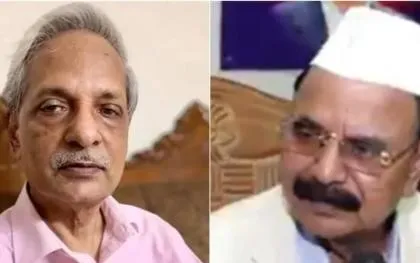
The recent formation of a new cabinet in Bangladesh has sparked significant discussions regarding minority representation in government. The inclusion of two Hindu leaders, Goyeshwar Chandra Roy and Nitai Roy Chowdhury, in the cabinet of the Bangladesh Nationalist Party (BNP) has raised eyebrows, particularly in India, where the ruling Bharatiya Janata Party (BJP) has been criticized for its lack of Muslim representation.
This article explores the implications of the new cabinet appointments in Bangladesh, the context of minority representation, and the contrasting situation in India, highlighting the complexities of communal dynamics in South Asia.
Continue Reading
Background of the New Cabinet
Following the recent elections, the BNP, led by Tarique Rahman, secured a two-thirds majority in the Bangladeshi parliament. This victory has allowed the party to appoint members to key positions within the government, including the cabinet. Among the notable appointments are Goyeshwar Chandra Roy and Nitai Roy Chowdhury, both of whom are prominent Hindu leaders within the BNP.
Significance of Minority Representation
The inclusion of Hindu leaders in the cabinet is significant in a country where Hindus constitute approximately eight percent of the population. This representation is seen as a step towards inclusivity in a predominantly Muslim nation. The appointments have sparked discussions about the safety and political representation of minorities in Bangladesh, particularly in light of allegations from Hindutva groups in India claiming that Hindus are unsafe in Bangladesh.
Political Reactions in India
The political landscape in India has reacted strongly to the news of the Bangladeshi cabinet appointments. Critics of the BJP have pointed out the stark contrast between the representation of minorities in Bangladesh and the lack of Muslim ministers in the Indian government. This has led to questions about the BJP’s commitment to inclusivity and representation of India’s diverse population.
Comparative Analysis of Representation
- Bangladesh: The recent elections saw a total of 79 candidates from religious minority communities contesting, with significant representation from Hindus and Buddhists.
- India: The current Union Cabinet lacks Muslim representation, despite Muslims making up a substantial portion of the Indian populace.
The Role of Political Parties
Political parties in Bangladesh have shown varying degrees of commitment to minority representation. The BNP has made strides by including minority leaders in its cabinet, while other parties have also fielded candidates from minority communities in recent elections.
Election Statistics
According to the Election Commission, the following statistics highlight the participation of minority candidates in the recent elections:
- 79 candidates from religious minority communities contested the elections.
- 67 of these candidates were nominated by 22 different political parties.
- The Communist Party of Bangladesh fielded the highest number of minority candidates at 17.
- In contrast, the BNP nominated six minority candidates.
Conclusion
The inclusion of two Hindus in the Bangladeshi cabinet marks a noteworthy development in the context of minority representation. It raises important questions about the political dynamics in South Asia, particularly regarding the treatment and representation of minorities in governance. As discussions continue, it is crucial for political parties in both Bangladesh and India to reflect on their commitments to inclusivity and representation.
Frequently Asked Questions
The appointments signify an effort towards minority representation in a predominantly Muslim nation, highlighting the political inclusion of Hindus and other minority groups.
While Bangladesh has appointed minority leaders in its cabinet, India currently lacks Muslim representation in its Union Cabinet, despite a significant Muslim population.
Political parties can influence minority representation by nominating candidates from diverse backgrounds and ensuring their inclusion in governance.
Note: The ongoing discussions about minority representation in politics are essential for fostering inclusive governance in both Bangladesh and India.