‘Chunga Pitha’: Seasonal Delicacy of Barak Returns Ahead of Magh Bihu
- ‘Chunga pitha’ is a traditional dish made from sticky rice, celebrated during the winter season.
- The dish symbolizes the festive spirit of Magh Bihu and Makara Sankranti.
- Community rituals surrounding its preparation strengthen social bonds.
- Despite high initial prices, demand for ‘chunga pitha’ remains strong due to its cultural significance.
As winter blankets the Barak Valley, the beloved ‘chunga pitha’ makes its grand appearance, marking the onset of the festive season. This cherished treat, crafted from sticky rice roasted in bamboo, heralds the spirit of Magh Bihu and Makara Sankranti.
The arrival of fresh ‘Binni’ rice in late November signals the beginning of the chunga pitha season, making it a staple in households across various communities.
Continue Reading
Introduction to Chunga Pitha
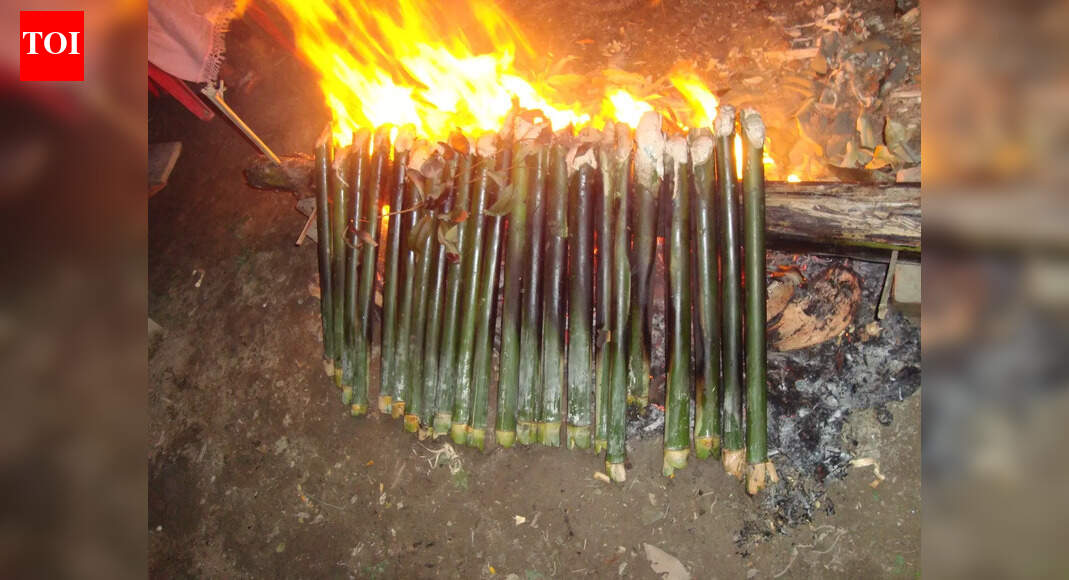
‘Chunga pitha’ is a traditional Assamese delicacy that showcases the region’s agricultural heritage. Made primarily from sticky rice, this dish is prepared by wrapping soaked rice in banana leaves and placing them inside hollow bamboo segments. The bamboo is then roasted over open fires, imparting a unique flavor that is deeply rooted in local culture.
Preparation and Ingredients
The preparation of chunga pitha is simple yet steeped in tradition. The key ingredient is the freshly harvested sticky rice, known as ‘Binni’ rice, which is typically more expensive at the start of the season. Despite the price, families prioritize this ingredient for its importance in making chunga pitha.
- Ingredients:
- Sticky rice (Binni rice)
- Banana leaves
- Green bamboo tubes
The rice is soaked, wrapped in banana leaves, and packed into bamboo tubes, which are then roasted over straw fires. This method not only cooks the rice but also infuses it with a distinct aroma that is cherished by locals.
Cultural Significance
Chunga pitha is more than just a food item; it symbolizes the agrarian roots of the Barak Valley community. During the celebrations of Magh Bihu, this delicacy becomes an integral part of the festivities, representing the harvest season and the connection to nature.
In various households, especially among Bengali Hindu and Hindi-speaking families, chunga pitha is associated with rituals of Makara Sankranti or Poush Sankranti. The tradition transcends religious boundaries, as even Muslim families prepare this dish and send it to their married daughters as a gesture of love and connection.
Community Rituals
The making of chunga pitha often transforms into a community event. Neighbors gather around straw fires in courtyards and open fields, reinforcing social bonds through shared labor and food. This communal aspect not only strengthens relationships but also fosters a sense of belonging and cultural identity.
Economic Impact
Despite the initial high cost of new Binni rice, the demand for chunga pitha remains robust due to its cultural significance. Families are often willing to invest in quality ingredients to ensure the authenticity and taste of this traditional dish.
The seasonal nature of chunga pitha also contributes to local economies, as vendors in markets sell bamboo tubes and fresh rice, supporting agricultural and local businesses.
Conclusion
In conclusion, ‘chunga pitha’ serves as a delicious reminder of the Barak Valley’s rich cultural heritage and agricultural practices. Its preparation and consumption during the festive seasons of Magh Bihu and Makara Sankranti highlight the importance of community, tradition, and the celebration of nature’s bounty.
Frequently Asked Questions
Chunga pitha is a traditional Assamese delicacy made from sticky rice that is roasted inside bamboo tubes, often enjoyed during the winter season and festive occasions.
Chunga pitha is usually prepared during the winter months, particularly around the festivals of Magh Bihu and Makara Sankranti.
Chunga pitha symbolizes the agrarian roots of the Barak Valley community and represents the harvest season, fostering social bonds through its communal preparation and consumption.
Note: Provide a strategic conclusion reinforcing long-term business impact and keyword relevance.