Demand Grows to Ban Non-Hindus at Kedarnath and Badrinath Temples in Uttarakhand
In recent months, there has been a significant rise in calls for restricting entry to the Kedarnath and Badrinath temples in Uttarakhand to only Hindu devotees. This demand has sparked considerable debate and controversy, reflecting broader societal discussions about religious identity and inclusivity in India.
The proposed ban could potentially be implemented before the temples’ annual opening, scheduled for April 22 and April 23, respectively. As the situation develops, it raises important questions about the intersection of religion, culture, and governance in contemporary India.
Continue Reading
Background of the Temples
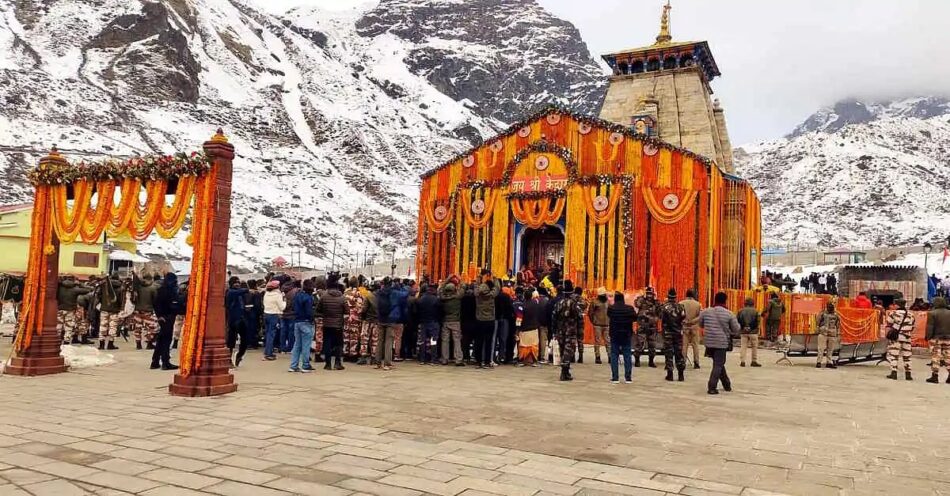
Kedarnath and Badrinath are two of the most revered pilgrimage sites in Hinduism, attracting millions of devotees each year. Kedarnath, located in the Garhwal Himalayas, is dedicated to Lord Shiva, while Badrinath, situated in the Nar and Narayan mountain ranges, is dedicated to Lord Vishnu. Both temples are part of the Char Dham Yatra, a sacred pilgrimage that holds immense significance for Hindus.
The Current Demand for a Ban
The demand to restrict entry to non-Hindus has gained momentum among certain groups, citing the need to preserve the sanctity and religious significance of these sites. Proponents argue that the temples should be exclusive to Hindus to maintain their religious integrity and cultural heritage.
This movement has been fueled by a combination of factors, including:
- Increasing nationalism and religious identity politics in India.
- Concerns over the commercialization of religious sites.
- A desire to protect traditional practices and beliefs from perceived dilution.
Implications of the Proposed Ban
The potential implementation of a ban on non-Hindus raises several critical implications:
- Religious Freedom: The ban could be seen as a violation of the principles of religious freedom and inclusivity that are enshrined in the Indian Constitution.
- Tourism Impact: Kedarnath and Badrinath are significant tourist destinations. A ban could adversely affect the local economy, which relies heavily on pilgrimage tourism.
- Social Cohesion: Such restrictions may exacerbate communal tensions and divisions within society, leading to further polarization.
Responses from Various Stakeholders
The call for a ban has elicited varied responses from different segments of society:
- Religious Leaders: Some religious leaders support the ban, citing the need for preserving the sanctity of the temples. Others argue against it, emphasizing the importance of inclusivity in spirituality.
- Political Reactions: Political parties are divided on the issue, with some endorsing the demand as a reflection of Hindu sentiments, while others caution against the potential fallout.
- Public Opinion: Public sentiment appears to be mixed, with some supporting the ban for cultural reasons, while others advocate for maintaining open access to all.
Legal Considerations
The legal framework surrounding religious sites in India is complex. The Constitution guarantees freedom of religion, which includes the right to worship. Any move to restrict access based on religious identity could face legal challenges. Key legal considerations include:
- The right to equality before the law.
- Provisions against discrimination on the grounds of religion.
- Judicial precedents related to access to religious places.
Conclusion
The demand to ban non-Hindus from entering Kedarnath and Badrinath temples reflects broader societal trends and raises significant questions about religious identity, inclusivity, and the future of pilgrimage in India. As the debate continues, it will be crucial to balance the preservation of religious traditions with the values of inclusivity and freedom that are foundational to Indian democracy.
Frequently Asked Questions
Kedarnath and Badrinath temples are among the most sacred pilgrimage sites in Hinduism, dedicated to Lord Shiva and Lord Vishnu, respectively. They attract millions of devotees each year.
The demand stems from a desire to preserve the sanctity and religious significance of the temples, with proponents arguing that they should be exclusive to Hindus.
Potential implications include challenges to religious freedom, impacts on tourism, and increased social tensions within communities.
Note: The discussion surrounding the potential ban on non-Hindus at Kedarnath and Badrinath temples highlights the complexities of religious identity and governance in India.