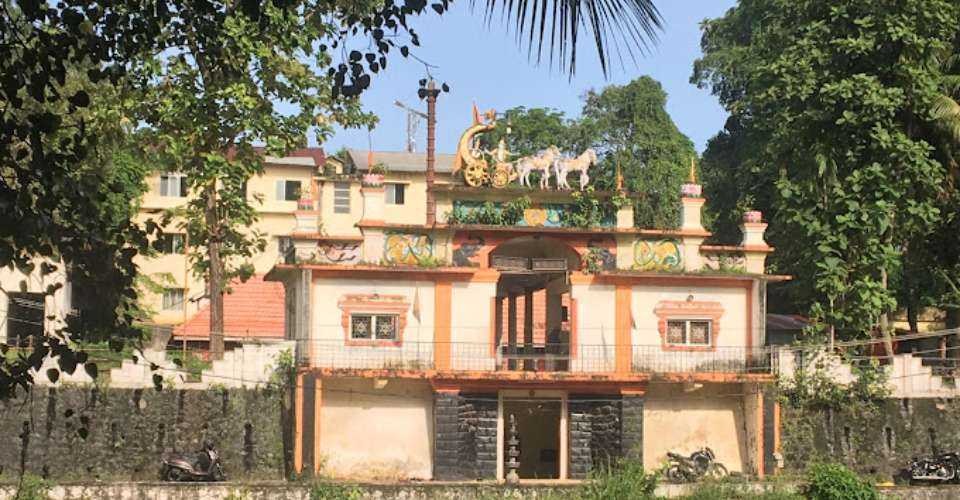
Did Krishna Ever Visit South India? Surprising Clues From Tamil Temples
The question of whether Lord Krishna, a central figure in Hindu mythology, ever visited South India has intrigued scholars and devotees alike for centuries. This article delves into the historical and cultural contexts that suggest possible connections between Krishna and the rich tapestry of Tamil temples.
Through an exploration of ancient texts, temple architecture, and local legends, we aim to uncover the evidence that may support the idea of Krishna’s presence in this vibrant region of India.
Continue Reading
Historical Context
To understand the possibility of Krishna’s visit to South India, it is essential to consider the historical context of the region during the time of Krishna. The Mahabharata, which narrates Krishna’s life and exploits, is a key text that provides insights into his travels and interactions.
While the epic primarily focuses on the northern regions of India, it also hints at interactions with various kingdoms and cultures. The spread of Vaishnavism in South India during the early medieval period suggests that Krishna’s influence might have reached these areas, even if indirectly.
Krishna in Tamil Literature
Tamil literature, particularly the works from the Sangam period, often references divine figures and their exploits. Some scholars argue that certain poems and texts may allude to Krishna, albeit under different names or forms.
For example, the Thirukkural, a classic Tamil text, contains verses that echo the teachings and philosophies attributed to Krishna. This connection may indicate that the cultural impact of Krishna was felt in South India, influencing local thought and spirituality.
Architectural Evidence in Tamil Temples
The architecture of Tamil temples provides another avenue for exploring Krishna’s potential presence in the region. Many temples dedicated to Vishnu, of whom Krishna is an avatar, feature intricate carvings and sculptures that depict scenes from Krishna’s life.
- Parakala Mutt Temple: Located in Mysore, this temple showcases various forms of Krishna, indicating the deity’s significance in the region.
- Thiruvallur Temple: This temple is renowned for its representation of Krishna lifting Mount Govardhan, a pivotal event in Krishna’s life.
- Sriperumbudur Temple: The birthplace of Ramanuja, this temple also features depictions of Krishna, linking him to the Vaishnavite tradition in Tamil Nadu.
Local Legends and Folklore
In addition to textual and architectural evidence, local legends and folklore in South India often recount tales of Krishna’s adventures. These stories, passed down through generations, reflect the deep-rooted cultural affinity for Krishna among Tamil people.
One popular legend involves Krishna’s visit to a village to bless the inhabitants with prosperity. Such narratives not only highlight Krishna’s benevolence but also serve as a means of cultural transmission, reinforcing the deity’s significance in the local context.
Influence of Vaishnavism
The rise of Vaishnavism in South India during the medieval period played a crucial role in popularizing Krishna worship. Saints like Alvars and later philosophers contributed to the establishment of Krishna as a central figure in devotional practices.
The Alvar saints, in particular, composed numerous hymns dedicated to Krishna, further embedding his presence in the spiritual landscape of Tamil Nadu. This movement not only enriched the local culture but also established a lasting connection between Krishna and the region.
Contemporary Relevance
Today, the legacy of Krishna in South India is evident in various cultural practices, festivals, and temple rituals. Celebrations like Janmashtami and the annual Ratha Yatra draw thousands of devotees who commemorate Krishna’s life and teachings.
Moreover, the continued reverence for Krishna in Tamil Nadu underscores the enduring impact of his narrative on the spiritual and cultural identity of the region.
Frequently Asked Questions
While there is no direct historical evidence confirming Krishna’s visit to South India, various texts, temple architectures, and local legends suggest a cultural connection that may imply his influence in the region.
Tamil temples often feature sculptures and carvings depicting scenes from Krishna’s life, highlighting his significance in the Vaishnavite tradition and serving as a focal point for devotion and worship.
Krishna’s influence is evident in Tamil literature, local legends, and the rise of Vaishnavism, which has shaped spiritual practices and cultural identity in Tamil Nadu over centuries.
Note: The exploration of Krishna’s potential visit to South India reveals a fascinating interplay of history, culture, and spirituality, highlighting the enduring legacy of this beloved deity.