Exploring the Rubin Museum’s Tibetan Buddhist Shrine Room
The Rubin Museum of Art, located in New York City, is a cultural gem that showcases the rich heritage of Himalayan art and culture. Among its many exhibits, the Tibetan Buddhist Shrine Room stands out as a serene space that invites visitors to explore the spiritual and artistic traditions of Tibetan Buddhism.
This article delves into the significance of the Shrine Room, its artistic elements, and the experiences it offers to visitors. From the intricate artworks to the meditative atmosphere, the Shrine Room serves as a bridge between the ancient traditions of Tibet and contemporary audiences.
Continue Reading
Understanding the Tibetan Buddhist Shrine Room
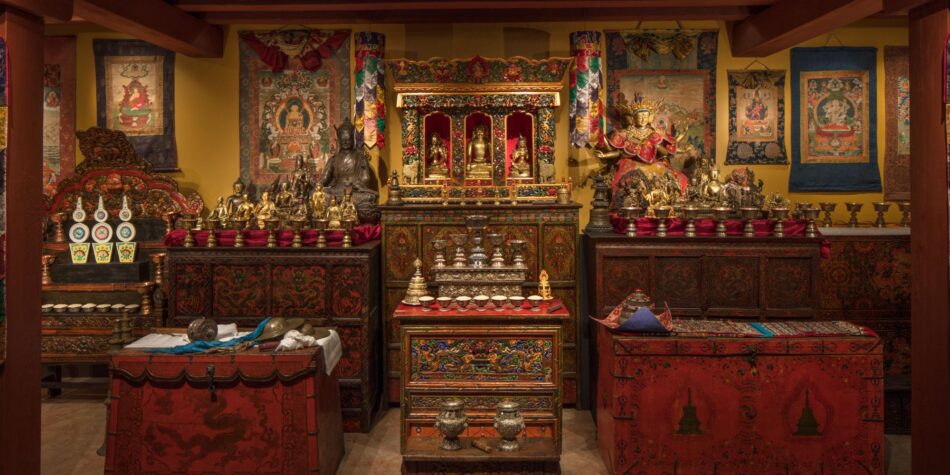
The Tibetan Buddhist Shrine Room at the Rubin Museum is designed to replicate a traditional Tibetan shrine, providing an immersive experience that highlights the spiritual practices of Tibetan Buddhism. This room is not just an exhibition space; it serves as a place for reflection, meditation, and learning.
Architectural and Artistic Features
The Shrine Room is characterized by its unique architectural elements and artistic features that reflect the aesthetics of Tibetan culture.
- Thangka Paintings: The walls are adorned with thangka paintings, which are traditional Tibetan scroll paintings that depict Buddhist deities, teachings, and mandalas.
- Statues and Icons: Central to the shrine are various statues of important figures in Tibetan Buddhism, including the Buddha and various bodhisattvas, each symbolizing different aspects of enlightenment.
- Ritual Objects: The room also contains ritual objects such as prayer wheels, incense burners, and offerings that are integral to Tibetan Buddhist practices.
The Purpose of the Shrine Room
The Shrine Room serves multiple purposes, catering to both educational and spiritual needs:
- Educational Resource: It provides visitors with insights into Tibetan Buddhism, its rituals, and its art. Guided tours and informational plaques enhance the learning experience.
- Spiritual Space: The room is open for meditation and quiet reflection, allowing visitors to engage with the spiritual aspects of the art and culture.
- Cultural Connection: It fosters a connection between the audience and the rich traditions of Tibetan Buddhism, promoting understanding and appreciation.
Visitor Experience
Visitors to the Shrine Room often describe a profound sense of peace and tranquility. The atmosphere is intentionally designed to facilitate contemplation and introspection.
Guided Tours and Programs
The Rubin Museum offers various programs that enhance the visitor experience:
- Guided Tours: Knowledgeable guides lead visitors through the Shrine Room, explaining the significance of the art and the rituals associated with Tibetan Buddhism.
- Meditation Sessions: Regular meditation sessions are held in the Shrine Room, providing a space for individuals to practice mindfulness and connect with their inner selves.
- Workshops: The museum hosts workshops that explore Tibetan art and culture, allowing participants to engage hands-on with the traditions.
The Importance of Preservation
The Rubin Museum plays a crucial role in preserving Tibetan art and culture, especially in the context of the challenges faced by Tibetan communities today. The Shrine Room is a testament to the resilience of these traditions.
Conservation Efforts
Efforts are made to ensure that the artworks and artifacts are preserved for future generations:
- Climate Control: The museum employs climate control systems to protect delicate artworks from damage.
- Research and Documentation: Ongoing research helps document the history and significance of the artifacts, aiding in their preservation.
- Community Engagement: Collaborations with Tibetan communities help ensure that the cultural practices are accurately represented and preserved.
Frequently Asked Questions
The Shrine Room serves as a space for education, meditation, and cultural connection, highlighting the spiritual practices and artistic traditions of Tibetan Buddhism.
Yes, the Rubin Museum offers guided tours that provide insights into the art and rituals associated with Tibetan Buddhism.
Absolutely, the museum regularly hosts meditation sessions in the Shrine Room, welcoming visitors to practice mindfulness.
Note: The Rubin Museum’s Tibetan Buddhist Shrine Room is a vital space for cultural preservation and spiritual exploration, offering a unique opportunity to connect with the rich traditions of Tibetan Buddhism.