Hanuman Jayanti: Celebrating the Birth of Lord Hanuman
- Hanuman Jayanti is celebrated twice a year, reflecting regional traditions.
- Devotees engage in rituals like fasting, prayers, and temple visits.
- Understanding the significance of Hanuman Jayanti can enhance spiritual practices.
- Key rituals include the puja vidhi, which emphasizes devotion and discipline.
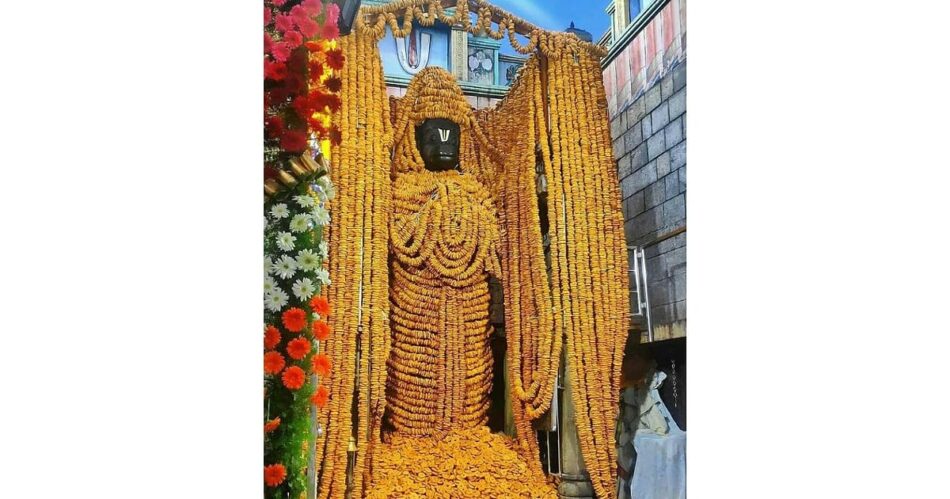
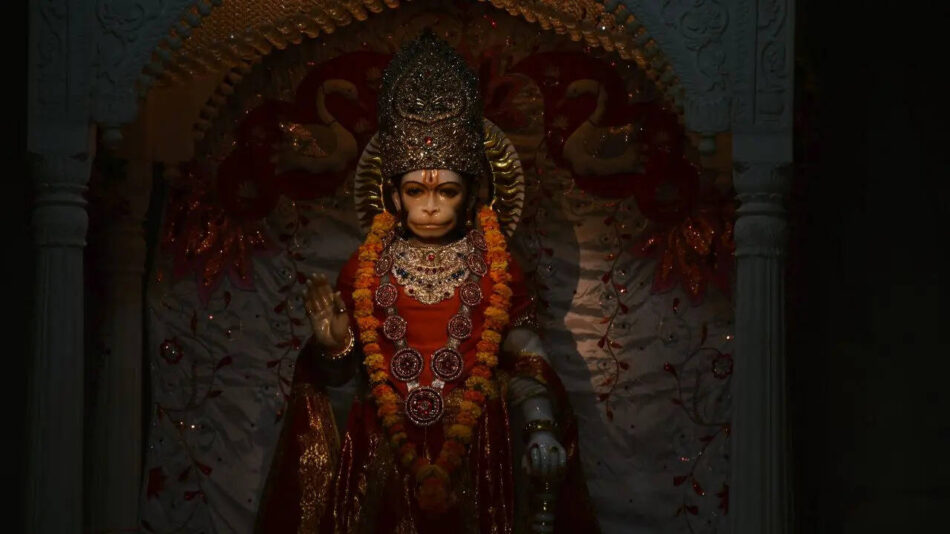
Today marks the auspicious occasion of Hanuman Jayanti, a day dedicated to the celebration of Lord Hanuman’s birth. This sacred day is observed by millions of devotees across India, who engage in various rituals and festivities to honor the deity known for his strength, devotion, and discipline.
The significance of Hanuman Jayanti extends beyond mere celebration; it serves as a reminder of the values of loyalty, courage, and selfless service. As devotees gather in temples and homes to perform rituals, they reflect on the teachings of Lord Hanuman, which continue to inspire countless individuals.
Continue Reading
Understanding Hanuman Jayanti
Hanuman Jayanti is celebrated on different dates in various regions of India. The most widely recognized celebration occurs during the month of Chaitra (March-April) in North India, while in South India, particularly in states like Tamil Nadu and Karnataka, it is celebrated during Margashirsha (December-January). This dual observance is rooted in regional traditions and interpretations of ancient scriptures.
The birth of Lord Hanuman is believed to have taken place on the full moon day of Chaitra in North India, while Southern traditions align his birth with the Margashirsha month. This divergence highlights the rich tapestry of Hindu culture and the respect for diverse beliefs within the community.
Hanuman Jayanti Shubh Muhurat
The Shubh Muhurat for Hanuman Jayanti varies based on the lunar calendar. In 2025, the Amavasai Tithi begins at 04:59 AM on December 19 and concludes at 07:12 AM on December 20. Devotees are encouraged to perform rituals during this auspicious time to maximize the spiritual benefits.
Rituals and Celebrations
Rituals performed during Hanuman Jayanti are steeped in tradition and devotion. Here’s a breakdown of the common practices:
- Preparation: Begin by taking a bath and cleaning your home and temple area.
- Setup: Place images of Lord Ram and Mata Sita on a chowki along with an idol or picture of Lord Hanuman.
- Invocation: Take Ganga Jal in your hand and vow to perform the puja with sincerity.
- Offerings: Offer prayers to Lord Ram and Mata Sita, and dress Lord Hanuman in saffron robes.
- Worship: Light incense and lamps, and perform Aarti using a lamp with jasmine oil.
- Naivedya: Offer a betel leaf with sweet fillings to Hanuman Ji.
- Recitation: Conclude with the recitation of the Hanuman Chalisa and perform Aarti.
Significance of Hanuman Jayanti
Hanuman Jayanti holds profound significance in Hindu culture. Lord Hanuman is revered as a symbol of strength, devotion, and discipline. His unwavering loyalty to Lord Ram serves as an inspiration for many. The celebrations not only honor his birth but also reinforce the values he embodies.
Moreover, the day serves as a reminder of the importance of selfless service and dedication. Devotees engage in various charitable acts, such as organizing bhandaras (community feasts) and distributing food to the needy, reflecting the spirit of giving that Lord Hanuman exemplifies.
Modern Reflections of Hanuman Jayanti
In contemporary society, the teachings of Lord Hanuman resonate with modern values. His qualities of resilience, loyalty, and courage are particularly relevant in today’s fast-paced world. The celebration of Hanuman Jayanti encourages individuals to embody these traits in their personal and professional lives.
Furthermore, the festival fosters community bonding, as people come together to celebrate and share their devotion. This sense of unity and collective worship strengthens social ties and promotes a sense of belonging among devotees.
Frequently Asked Questions
Hanuman Jayanti is celebrated twice due to regional traditions. In North India, it is observed in Chaitra, while in South India, it is celebrated in Margashirsha, reflecting different interpretations of ancient texts.
Key rituals include taking a bath, cleaning the home, setting up an altar with images of Lord Ram and Hanuman, offering prayers, and reciting the Hanuman Chalisa.
Hanuman Jayanti reflects modern values through its emphasis on resilience, loyalty, and community service, encouraging individuals to embody these traits in their daily lives.
Note: Provide a strategic conclusion reinforcing long-term business impact and keyword relevance.