Hindu Community Celebrates Makar Sankranti
- Makar Sankranti signifies the sun’s transition into the Capricorn constellation.
- The festival emphasizes the shift from winter to warmer days, symbolizing renewal.
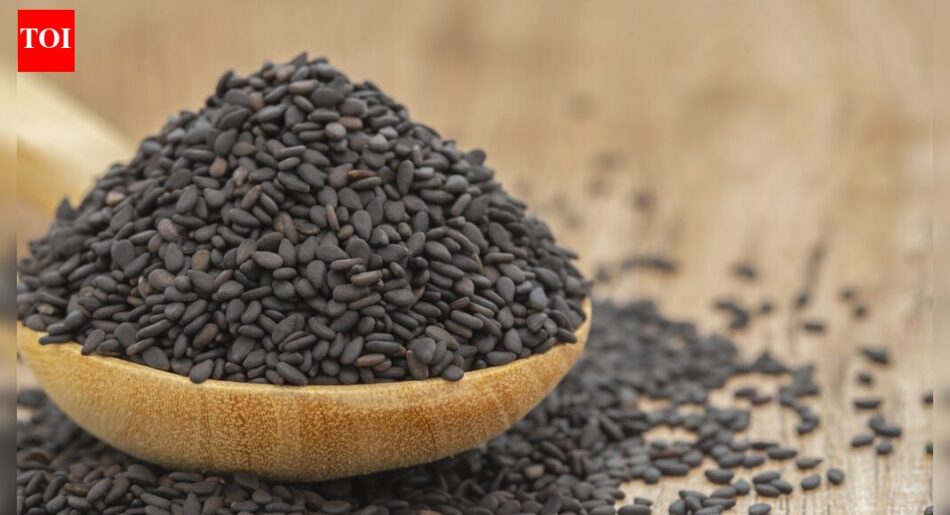
- Wearing black clothing on this day has both cultural and scientific significance.
- The celebration fosters community engagement and spiritual awakening.
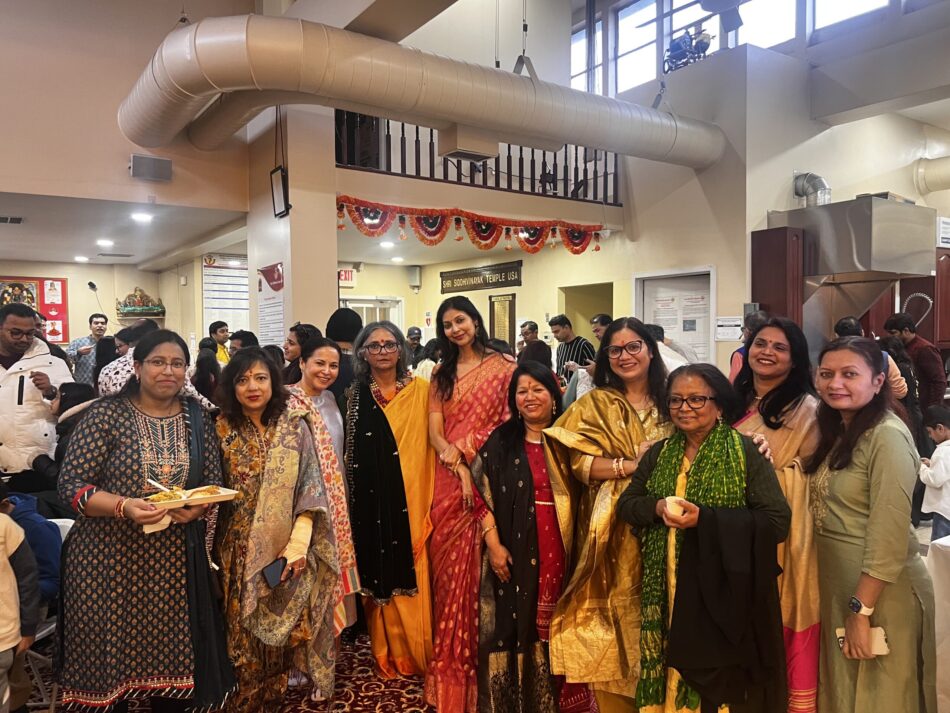
The Hindu community recently celebrated Makar Sankranti, a significant festival marking the sun’s transition into the Capricorn constellation. This event took place at the Wayland Library on January 15, organized by the Wayland Interfaith Leaders Association (WILA) and Conversations for Change participants.
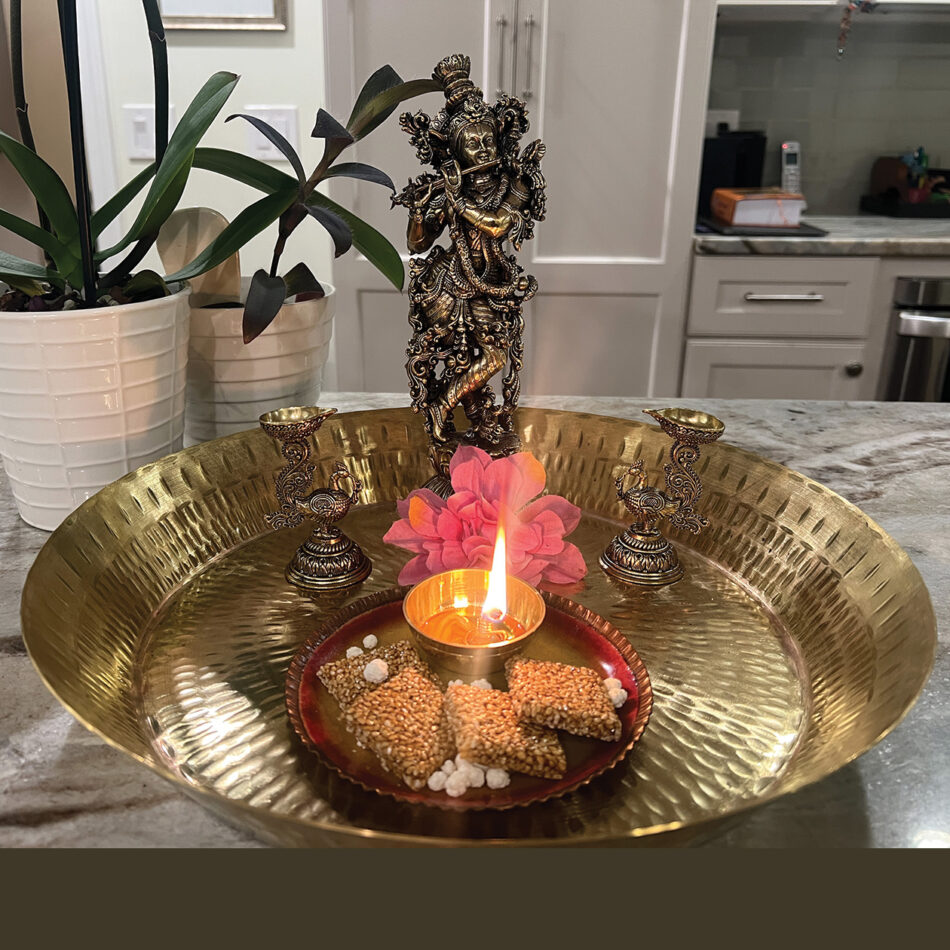
Makar Sankranti is unique among Hindu festivals as it is based on the solar calendar, making it a time of great importance for spiritual and cultural renewal. The festival represents the sun’s northward journey, known as Uttarayana, which brings longer and warmer days, symbolizing the transition from darkness to light.
Continue Reading
Understanding Makar Sankranti
Makar Sankranti is celebrated annually, marking the sun’s movement from one zodiac sign to another. Each year features twelve Sankrantis, but Makar Sankranti is considered the most auspicious. This festival is not only a celebration of the solar transition but also holds deep spiritual significance for the Hindu community.
Astronomical Significance
The festival marks the sun’s entry into the Capricorn constellation, which is a critical point in the solar calendar. This transition is significant as it indicates the end of the winter solstice and the beginning of longer days. The shift from shorter, colder days to longer, warmer days is celebrated with various cultural activities.
Cultural Practices
One of the unique aspects of Makar Sankranti is the tradition of wearing black clothing. While black is often viewed as inauspicious during festivals, many communities choose to wear it on this day. The rationale behind this practice is that black clothing absorbs warmth, providing comfort during the cold winter days.
Spiritual Meaning
Beyond its astronomical and cultural significance, Makar Sankranti serves as a reminder of the journey from ignorance to knowledge. The festival encourages individuals to seek spiritual awakening and enlightenment, symbolizing a transition from darkness to light.
Community Engagement
The celebration at the Wayland Library brought together members of the Hindu community and others interested in learning about this vibrant festival. Events like these foster interfaith dialogue and promote understanding among diverse cultural backgrounds.
Participants engaged in discussions about the significance of Makar Sankranti, sharing personal stories and experiences related to the festival. Such gatherings not only strengthen community bonds but also enhance cultural appreciation among attendees.
Conclusion
Makar Sankranti is a festival that encapsulates the essence of renewal, both in nature and in the human spirit. As the sun transitions into Capricorn, it serves as a reminder for individuals to embrace change and pursue knowledge. The celebration fosters a sense of community and encourages spiritual growth, making it a vital part of the Hindu cultural calendar.
Note: Provide a strategic conclusion reinforcing long-term business impact and keyword relevance.
Frequently Asked Questions
Makar Sankranti marks the sun’s transition into the Capricorn constellation, symbolizing the shift from winter to longer, warmer days and representing spiritual awakening.
Wearing black clothing is believed to absorb warmth, providing comfort during the cold winter days, despite black generally being considered inauspicious on festival days.
The festival encourages gatherings and discussions among community members, fostering interfaith dialogue and enhancing cultural appreciation through shared experiences.