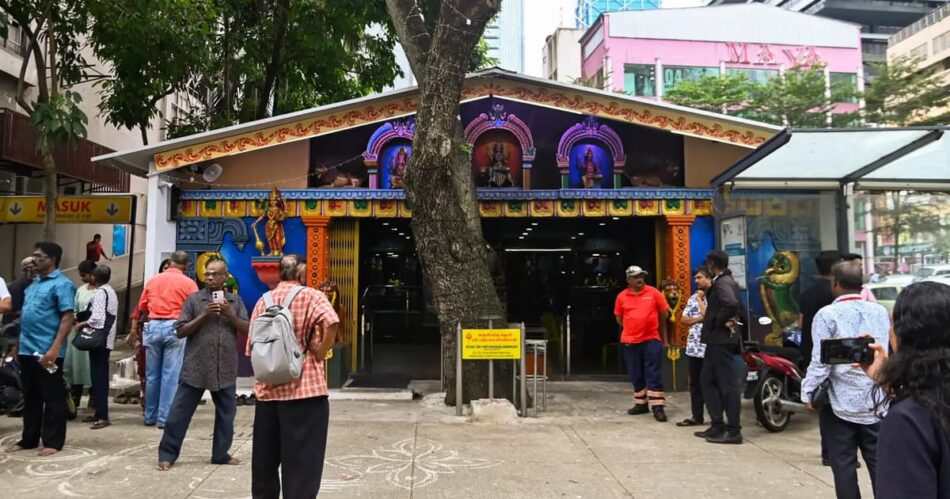
Hindu Temple Committee Seeks 6-Month Freeze on Demolition of ‘Illegal’ Temples
The National Hindu Temple Steering Committee has formally requested a six-month moratorium on the demolition of Hindu temples deemed to be illegally constructed. This initiative aims to address the growing tensions surrounding temple demolitions and to ensure a more structured approach to temple land regularization.
In light of recent incidents involving unauthorized demolitions, the committee emphasizes the importance of cultural sensitivity and the need for respectful engagement with affected communities.
Continue Reading
Background of the Initiative
The National Hindu Temple Steering Committee was established through a collaborative effort by the Malaysia Hindu Sangam and the Malaysian Indian Congress, with support from various Hindu NGOs and civil society organizations. The committee convened for the first time recently to discuss the pressing issues surrounding Hindu temples across Malaysia.
In many cases, temples have been constructed without proper legal authorization, leading to conflicts over land tenure and regulatory compliance. The committee’s proposal for a moratorium is intended to provide a temporary pause that allows for necessary verification and dialogue.
Objectives of the Moratorium
The primary objectives of the proposed six-month moratorium include:
- Preventing unnecessary societal tension related to temple demolitions.
- Allowing for the verification of the legal status of various temples.
- Facilitating engagement between temple management, local authorities, and the community.
- Ensuring that any unavoidable demolitions are conducted respectfully, with religious rites for deities.
Proposed Classification of Temples
As part of the temple land regularization initiative, the committee plans to classify temples into four distinct categories based on their legal status:
- Legally Recognized Temples: Temples that have obtained all necessary permits and approvals.
- Temples in Process: Temples that are in the process of obtaining legal recognition.
- Temples with Disputed Status: Temples that are facing legal challenges regarding their status.
- Unauthorized Temples: Temples that have been constructed without any legal authorization.
This classification will help streamline the process of addressing issues related to each temple’s legal standing and will guide the committee in its engagement efforts.
Engagement with Stakeholders
The committee has expressed its commitment to engage directly with affected temples and relevant stakeholders. This engagement will involve:
- Visiting temples to assess their situation and legal status.
- Working collaboratively with local authorities to find lawful solutions.
- Providing support and guidance to temple management on compliance with regulations.
By fostering open communication, the committee aims to build trust and facilitate constructive dialogue between all parties involved.
Recent Incidents Highlighting the Issue
The urgency of the committee’s request is underscored by recent incidents, including the demolition of part of a temple in Rawang, Selangor. Four individuals were arrested for allegedly conducting the demolition without consulting the temple management or notifying local authorities. This incident has raised significant concerns regarding the lack of oversight and the need for a more structured approach to temple demolitions.
Cultural and Religious Sensitivity
The committee has emphasized the importance of cultural and religious sensitivity in the enforcement of demolition orders. Temples are not merely physical structures; they hold profound spiritual significance for the community. The committee urges enforcement agencies to approach such matters with respect and understanding, recognizing the emotional and cultural implications of demolishing places of worship.
Next Steps for the Committee
Moving forward, the National Hindu Temple Steering Committee will:
- Launch the temple land regularization initiative to gather data on affected temples.
- Engage with temple management to assist in the classification process.
- Coordinate with local authorities to ensure that any necessary demolitions are conducted in accordance with established religious practices.
Frequently Asked Questions
The moratorium aims to prevent unnecessary tension in society, allowing for proper verification and engagement regarding the legal status of Hindu temples before any demolition takes place.
Temples will be classified into four categories based on their legal status: legally recognized, in process, disputed status, and unauthorized temples.
The committee plans to visit affected temples, engage with local authorities, and provide support to temple management to address legal and administrative issues.
Note: The establishment of the National Hindu Temple Steering Committee and its proposed initiatives reflect a proactive approach to addressing the challenges faced by Hindu temples in Malaysia, ensuring that cultural and religious sensitivities are respected in the process.