Hindutva’s External Reach: A Closer Look at Pressure on Sikh Activists
The Sikh diaspora has increasingly faced pressure from Indian authorities, particularly under the current political climate shaped by Hindutva ideology. This article delves into the historical context of Sikh activism, the emergence of transnational repression, and the implications for Sikh communities worldwide.
As Sikh activists abroad raise concerns about human rights violations in India, the response from the Indian government has become more aggressive, leading to tensions that have significant implications for international relations and community safety.
Continue Reading
Historical Context
The political narrative surrounding Sikhs in India has been tumultuous since the partition in 1947, which divided Punjab and left many Sikhs with unresolved cultural and administrative issues. Over the decades, central authorities in India have pursued increasingly assertive nationalist policies, particularly under the Bharatiya Janata Party (BJP), which has led to a deterioration in relations between the state and Sikh communities.
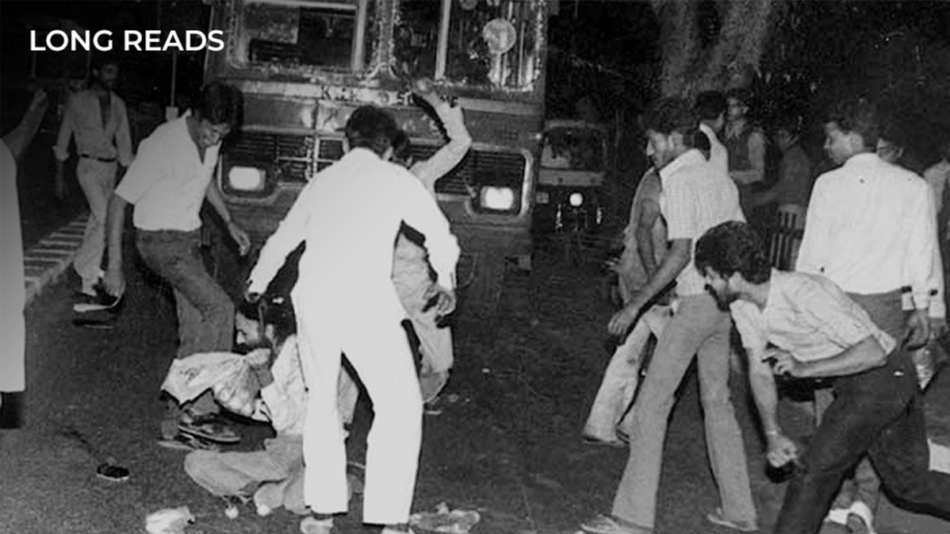
The 1984 operation at the Golden Temple in Amritsar marked a significant turning point, resulting in widespread violence and loss of life, which remains a painful memory for Sikhs globally. Following this, human rights abuses escalated, with activists like Jaswant Singh Khalra documenting unlawful killings and facing dire consequences for their efforts.
The Rise of Transnational Repression
In recent years, a worrying trend of transnational repression has emerged, where governments extend their reach beyond national borders to silence dissent. This phenomenon has been particularly pronounced in the case of Sikh activists living in the diaspora.
Testimony submitted to the Tom Lantos Human Rights Commission highlights the pressures faced by Sikh activists in North America. The document emphasizes that such repression should be viewed as a significant foreign-policy and national-security concern.
Notable Cases of Repression
- Hardeep Singh Nijjar: A Canadian citizen and Sikh temple leader, Nijjar was killed in British Columbia in June 2023. Canadian Prime Minister Justin Trudeau later announced credible allegations linking his death to Indian state involvement.
- Gurpatwant Singh Pannun: An American citizen and Sikh activist based in New York, Pannun was the target of an alleged assassination plot, reportedly ordered by an Indian government official.
Methods of Repression
Evidence gathered by international bodies and Sikh organizations reveals various methods employed by the Indian government to exert pressure on Sikh activists abroad:
- Extraterritorial Violence: This includes killings and attempted assassinations of activists.
- Surveillance and Intimidation: Activists often face surveillance, and their families in India may be subjected to intimidation tactics.
- Influence on Community Institutions: Efforts to manipulate internal decisions and leadership structures within Sikh organizations have been reported.
- Mobility Restrictions: Visa denials and revocation of Overseas Citizen of India status are common tactics to limit activists’ movements.
- Digital Suppression: The Indian government has been accused of suppressing Sikh-related content online and conducting coordinated information operations.
Impacts on Sikh Diaspora Communities
The repercussions of these repressive tactics are profound, affecting individual well-being, community cohesion, and democratic participation:
- Heightened anxiety and a sense of vulnerability among activists.
- Reduced media engagement and public participation due to perceived risks.
- Strained family relationships, particularly when relatives in India face police attention related to diaspora activities.
International Reactions
The international community has begun to take notice of these developments. Key organizations have expressed concerns regarding the treatment of Sikh activists:
- The United Nations Human Rights Committee raised alarms about intimidation tactics against Sikh activists.
- Human Rights Watch documented discrimination against religious minorities in India.
- The United States Commission on International Religious Freedom recommended further policy attention to the risks faced by Sikh communities.
Government reactions have also intensified, with Canada expelling Indian diplomats and the United States disrupting alleged assassination plots, framing these issues as matters of national security.
Frequently Asked Questions
Transnational repression refers to actions taken by foreign governments to harm, intimidate, or coerce individuals beyond their borders, including surveillance, harassment, and violence.
The Sikh diaspora has raised concerns about human rights violations and organized advocacy efforts to protect their communities and raise awareness about the pressures faced by Sikh activists.
The pressures can lead to reduced civic engagement, increased anxiety among activists, and strained relationships within families, ultimately narrowing the space for democratic participation.
Note: The ongoing repression of Sikh activists poses significant challenges not only for individuals but also for the broader Sikh community and international relations. Continued vigilance and advocacy are essential to address these issues effectively.