How has Ram Mandir Reshaped Ayodhya’s Economy?
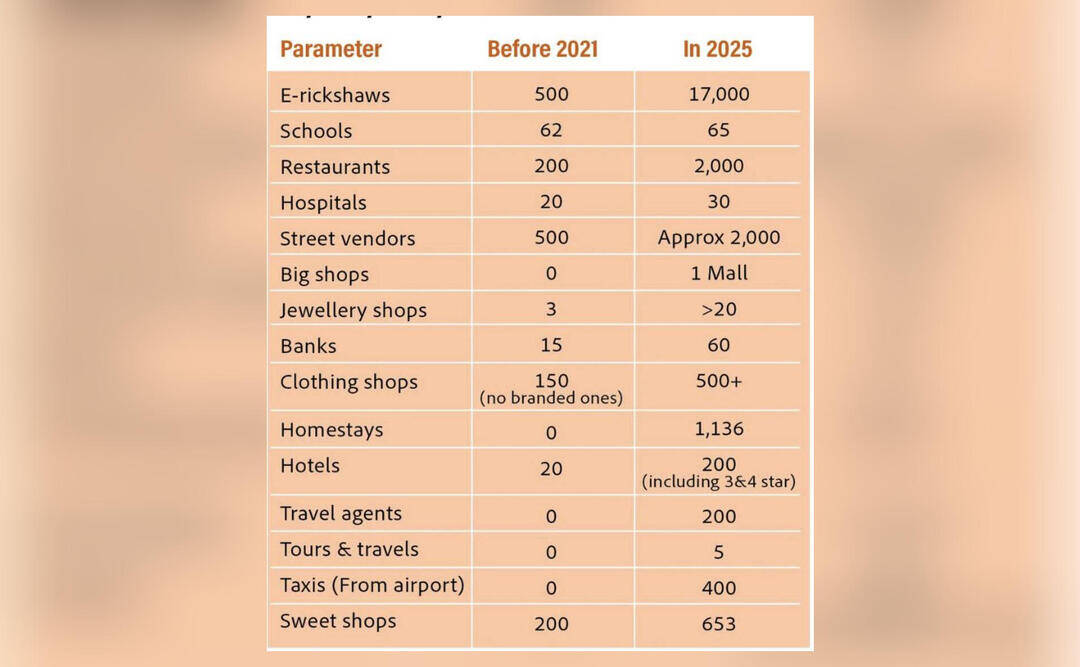
The construction of the Ram Mandir in Ayodhya has not only been a significant cultural milestone but has also triggered substantial economic transformation in the region. A recent study by the Indian Institute of Management Lucknow highlights the profound impact this development has had on Ayodhya’s economy.
With a surge in tourism and business activities, Ayodhya is witnessing unprecedented growth, reflected in skyrocketing footfalls and increased GST collections. This article delves into the economic effects of the Ram Mandir and the changes it has brought to the local community.
Continue Reading
The Economic Impact of Ram Mandir
The Ram Mandir, a symbol of faith and heritage, has become a catalyst for economic development in Ayodhya. The temple’s construction has led to a remarkable increase in the number of visitors, which has, in turn, stimulated various sectors of the local economy.
Surge in Tourism
According to the aforementioned study, the annual footfall in Ayodhya surged to over 11 crore within the first six months of 2024. This influx of visitors has created a ripple effect across multiple sectors:
- Hospitality Sector: The number of restaurants in Ayodhya skyrocketed from 200 to 2,000, showcasing the growing demand for food and lodging services.
- Retail Sector: Local businesses have flourished, with an increase in shops catering to tourists, including souvenir stores, clothing outlets, and local artisans.
- Transport Services: The rise in visitors has led to a boom in transportation services, including taxis, auto-rickshaws, and bus services, enhancing connectivity to and within the city.
GST Collection Growth
The economic activities generated by the increased footfall have also been reflected in the Goods and Services Tax (GST) collections. In 2025, the GST collection in the Ayodhya region reached an impressive ₹400 crore. This growth can be attributed to:
- Increased Business Transactions: With more tourists, local businesses have experienced higher sales, contributing to increased tax revenues.
- Formalization of Economy: As more businesses emerge, there is a shift towards formalization, leading to better tax compliance and revenue generation.
Infrastructure Development
The economic boom in Ayodhya has necessitated significant infrastructure improvements. Key developments include:
- Road and Transport Infrastructure: Upgrades to roads and public transport systems to accommodate the increased traffic.
- Utilities and Services: Enhancements in water supply, sanitation, and electricity services to support the growing population and tourist influx.
- Urban Development: New hotels, shopping complexes, and recreational facilities are being developed to cater to the needs of visitors and residents alike.
Challenges and Considerations
While the economic transformation is largely positive, it is essential to address the challenges that accompany rapid growth:
- Environmental Concerns: Increased construction and tourism can strain local ecosystems and resources.
- Infrastructure Strain: The existing infrastructure may face pressure from the sudden increase in population and visitor numbers.
- Social Dynamics: The influx of tourists can alter the social fabric of the community, leading to potential conflicts or cultural shifts.
Future Prospects
The future of Ayodhya’s economy looks promising, driven by the continued growth of the Ram Mandir as a major pilgrimage site. Key areas to focus on include:
- Sustainable Tourism: Developing strategies to promote responsible tourism that benefits the local community while preserving cultural heritage.
- Investment in Local Businesses: Encouraging investments in local enterprises to ensure that economic benefits are distributed equitably.
- Long-term Planning: Implementing urban planning initiatives that accommodate growth without compromising quality of life for residents.
Frequently Asked Questions
The Ram Mandir has significantly boosted Ayodhya’s economy by increasing tourism, leading to higher business activities, and improving local infrastructure.
Tourism in Ayodhya has surged, with annual footfall exceeding 11 crore in the first six months of 2024, resulting in a boom for local businesses and services.
Challenges include environmental concerns, strain on existing infrastructure, and potential social dynamics shifts due to increased tourism.
Note: The transformation of Ayodhya’s economy due to the Ram Mandir is a multifaceted process, presenting both opportunities and challenges that require careful management and planning.