Janmashtami: Celebrating the Birth of Lord Krishna
- Understand the significance of Janmashtami in Hindu culture and its connection to Lord Krishna.
- Explore the various celebrations and rituals associated with this auspicious festival.
- Learn about the story of Krishna’s birth and its impact on the observance of Janmashtami.
Janmashtami is a significant Hindu festival that celebrates the birth of Lord Krishna, one of the most revered deities in Hinduism. Observed on the eighth day of the dark fortnight of the month Bhadrapada (usually falling in August or September), this festival is marked by various rituals and festivities that reflect the rich cultural heritage of India.
The celebration of Janmashtami not only honors the divine birth of Krishna but also embodies the principles of love, compassion, and the triumph of good over evil. Devotees engage in various practices that enhance their spiritual connection and foster community bonding.
Continue Reading
Understanding the Significance of Janmashtami
Janmashtami holds immense significance in Hinduism, particularly among devotees of Lord Vishnu, as Krishna is considered an avatar of Vishnu. The festival symbolizes the divine intervention in human affairs to restore dharma (righteousness) and eliminate adharma (unrighteousness). Krishna’s life and teachings are celebrated as they inspire millions to follow the path of virtue and devotion.
The Story of Krishna’s Birth
The narrative of Krishna’s birth is rooted in ancient scriptures, particularly the Bhagavata Purana. According to the legend, Krishna was born to Devaki and Vasudeva in the town of Mathura, under dire circumstances. A prophecy foretold that Devaki’s eighth son would kill her brother, the tyrannical king Kamsa. To prevent this, Kamsa imprisoned Devaki and Vasudeva and killed their first six children.
Miraculously, the seventh child, Balarama, was transferred to the womb of Rohini, Vasudeva’s first wife. When Krishna was born, divine signs accompanied his arrival. Vasudeva, guided by divine intervention, escaped from prison and crossed the Yamuna River to Gokula, where he exchanged Krishna with Yashoda’s newborn daughter. This act ensured Krishna’s safety from Kamsa.
Celebration Practices of Janmashtami
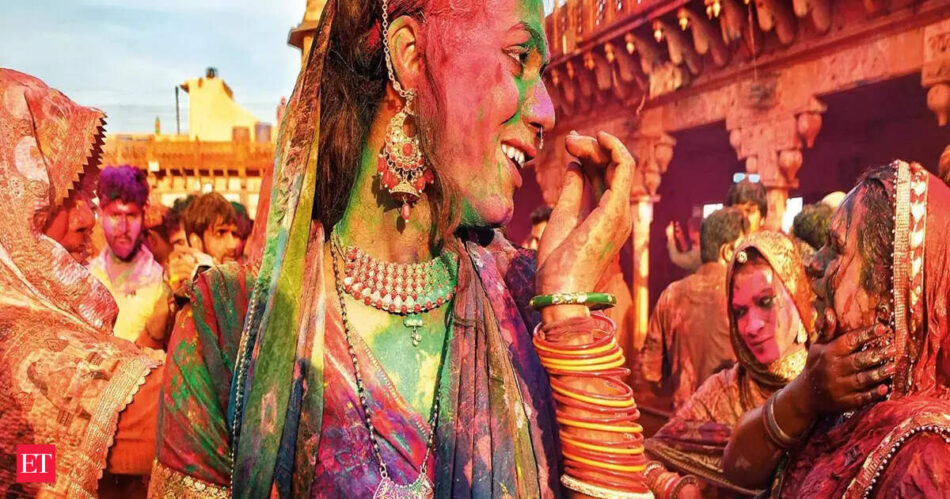
Janmashtami is celebrated with great fervor across India, especially in Mathura and Vrindavan, where Krishna spent his childhood. The festivities typically begin with a day of fasting, followed by night-long vigils and prayers. Devotees engage in various rituals, including:
- Fasting: Many devotees observe a fast from sunrise until midnight, the time believed to be Krishna’s birth.
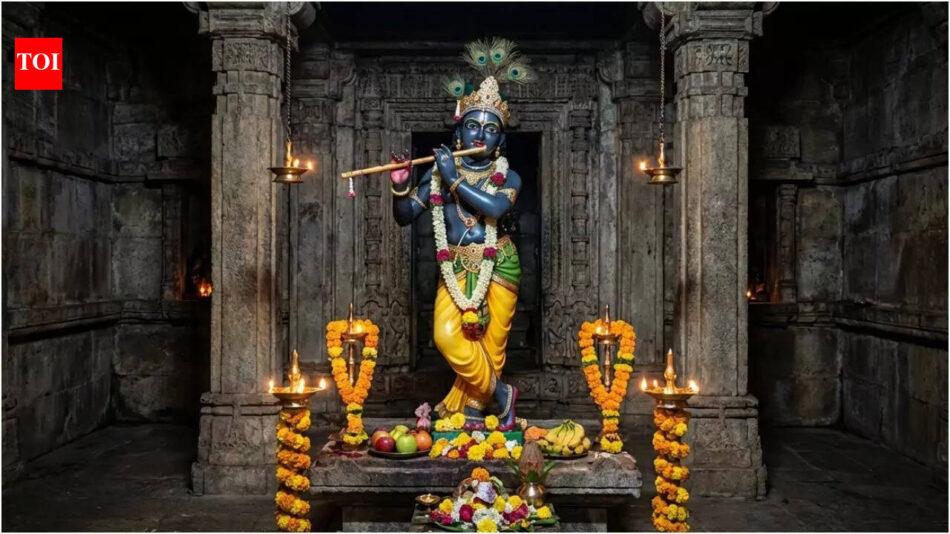
- Worship: After midnight, devotees perform puja (worship) of Krishna’s idol, dressing it in new clothes and offering sweets and fruits.
- Singing and Dancing: Devotional songs (bhajans) and dances are performed, celebrating Krishna’s life and teachings.
- Decorating Homes and Temples: Homes and temples are adorned with flowers, lights, and colorful decorations to create a festive atmosphere.
Dahi Handi: A Unique Tradition
One of the most exciting aspects of Janmashtami celebrations is the Dahi Handi event, particularly popular in Maharashtra. In this tradition, clay pots filled with curd are hung high above the ground. Groups of young men form human pyramids to reach and break the pots, symbolizing Krishna’s playful nature as a child who loved to steal butter and curd from pots. This event showcases teamwork, strength, and agility, making it a highlight of the festivities.
The Spiritual Impact of Janmashtami
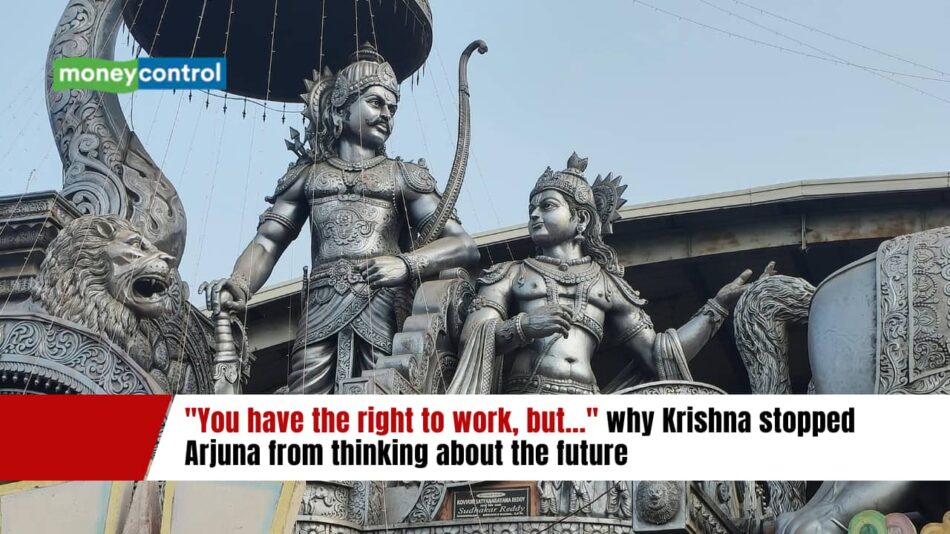
Beyond the joyous celebrations, Janmashtami serves as a reminder of the values that Krishna embodied—love, compassion, and the pursuit of righteousness. The teachings of Krishna, as depicted in the Bhagavad Gita, inspire individuals to lead a life of integrity and devotion. The festival encourages devotees to reflect on their actions and strive for spiritual growth.
Conclusion
Janmashtami is more than just a festival; it is a celebration of life, love, and the eternal struggle between good and evil. The rich traditions and practices associated with this festival not only honor Lord Krishna but also strengthen community bonds and foster a sense of belonging among devotees. As the festival approaches, it serves as a reminder of the enduring legacy of Krishna’s teachings and the importance of righteousness in our lives.
Frequently Asked Questions
Janmashtami is a Hindu festival that celebrates the birth of Lord Krishna, an avatar of Vishnu, occurring on the eighth day of the dark fortnight in the month of Bhadrapada.
Devotees observe fasting, perform worship of Krishna’s idol, sing devotional songs, and decorate homes and temples as part of the celebrations.
Dahi Handi is a tradition where clay pots filled with curd are broken by human pyramids, symbolizing Krishna’s playful childhood and his love for dairy products.
Note: Provide a strategic conclusion reinforcing long-term business impact and keyword relevance.