Krishna: The Divine Enigma of Hinduism
- Krishna serves as a central figure in Hinduism, embodying the principles of love, devotion, and righteousness.
- Understanding Krishna’s life story enhances insights into Hindu mythology and its cultural significance.
- Krishna’s teachings in the Bhagavad Gita provide timeless wisdom applicable to modern life.
- Exploring Krishna’s various representations offers a deeper appreciation of his multifaceted personality.
Krishna is one of the most revered deities in Hinduism, celebrated for his divine playfulness, wisdom, and love. His life story is rich with lessons and moral teachings that resonate with millions around the world.
As the eighth avatar of Vishnu, Krishna’s narratives are not only central to Hindu mythology but also reflect profound philosophical concepts, making him a pivotal figure in understanding the essence of Hindu spirituality.
Continue Reading
Birth and Early Life
Krishna was born into the Yadava clan as the son of Vasudeva and Devaki. His birth was marked by a prophecy that foretold his uncle Kamsa’s demise at the hands of Devaki’s child. To thwart this prophecy, Kamsa attempted to kill all of Devaki’s children. However, Krishna was smuggled across the Yamuna River to Gokula, where he was raised by Nanda and Yashoda, leaders of the cowherds.
Childhood Adventures
As a child, Krishna was known for his mischievous pranks and miraculous feats. He is often depicted stealing butter, a beloved pastime that symbolizes his playful nature. His childhood stories also include slaying demons that threatened his village, showcasing his role as a protector.
Krishna and the Gopis
Krishna’s youth is characterized by his enchanting relationship with the gopis, particularly with Radha, who is considered his greatest devotee and beloved. Their interactions are often interpreted as a metaphor for the divine love between God and the human soul. The sound of Krishna’s flute would draw the gopis to him, leading to ecstatic dances under the moonlight.
Return to Mathura
As he matured, Krishna returned to Mathura to confront Kamsa. With the help of his brother Balarama, he defeated Kamsa and restored peace to the kingdom. Following this victory, Krishna established his court in Dvaraka, a city he founded on the western coast of India.
Role in the Mahabharata
Krishna plays a crucial role in the epic Mahabharata, particularly during the great war between the Kauravas and the Pandavas. He served as the charioteer for Arjuna, imparting profound teachings on duty and righteousness in the form of the Bhagavad Gita. This scripture addresses the moral dilemmas faced by individuals and emphasizes the importance of selfless action.
Philosophical Significance
Krishna’s teachings extend beyond mythology into practical philosophy. His emphasis on devotion (bhakti) and the pursuit of righteousness (dharma) resonate deeply with followers. The concept of seeing the divine in all beings and acting with compassion is a cornerstone of Krishna’s message.
Legends and Iconography
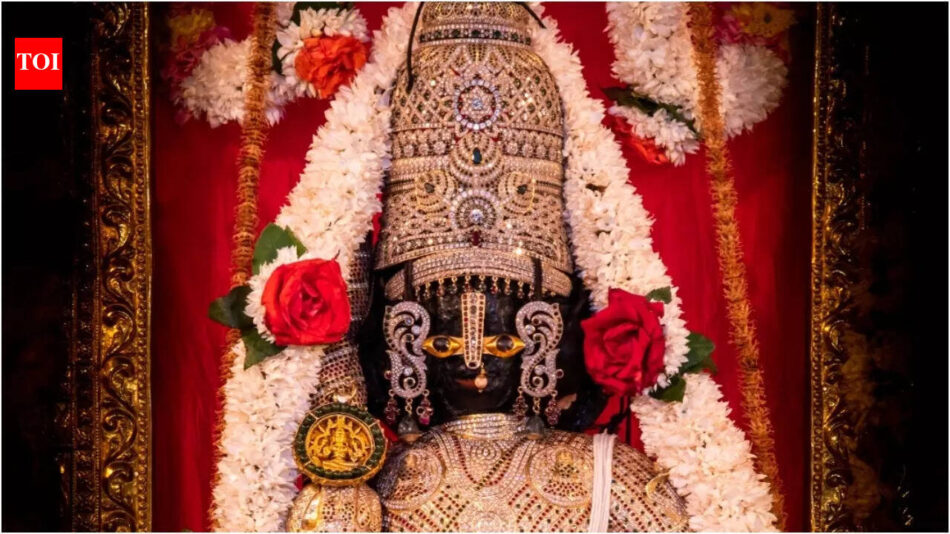
The rich tapestry of legends surrounding Krishna has led to diverse representations in art, literature, and performance. He is commonly depicted playing the flute, surrounded by gopis, or as a child with a ball of butter. These images capture his playful spirit and divine essence, making him a beloved figure across cultures.
Modern Relevance
In contemporary society, Krishna’s teachings continue to inspire millions. His life exemplifies the balance of duty and love, offering guidance on navigating the complexities of life. The celebration of festivals like Janmashtami, which marks his birth, reflects the ongoing relevance of his story in modern Hindu practice.
Conclusion
Krishna’s multifaceted personality and teachings embody the core values of Hinduism, emphasizing love, duty, and divine connection. His stories serve as a source of inspiration and guidance, encouraging individuals to seek a deeper understanding of themselves and their relationship with the divine.
Frequently Asked Questions
Krishna is a major deity in Hinduism, regarded as the eighth avatar of Vishnu and a supreme god in his own right, known for his teachings and divine playfulness.
Krishna’s key teachings revolve around devotion (bhakti), righteousness (dharma), and the importance of selfless action, as articulated in the Bhagavad Gita.
Krishna is often depicted playing the flute, surrounded by gopis, or in playful childhood scenes, symbolizing his divine nature and connection to love.
Note: Provide a strategic conclusion reinforcing long-term business impact and keyword relevance.