Mohsen Mahdawi: A Journey of Compassion and Community in Buddhism
Mohsen Mahdawi, a young Palestinian man, has emerged as a significant figure within the Buddhist community at Columbia University. His journey is not just about personal growth but also about fostering connections across diverse backgrounds through the teachings of Buddhism.
His story highlights the power of compassion, understanding, and community engagement, especially in the face of adversity. This article explores Mohsen’s path and the impact of his Buddhist practice on his life and those around him.
Continue Reading
Introduction to Mohsen Mahdawi
Mohsen Mahdawi’s introduction to Buddhism began during his childhood in the West Bank, where he experienced the trauma of violence and loss. The tragic death of his best friend at the hands of an Israeli soldier left a profound impact on him. In the aftermath, it was the wisdom of his uncle that guided him towards a path of healing and understanding.
The Role of Buddhism in Mohsen’s Life
Through Buddhism, Mohsen found a spiritual practice that enabled him to confront his pain and channel it into positive action. His commitment to meditation provided him with solace and healing from childhood trauma, allowing him to cultivate inner peace and balance.
Mohsen’s journey reflects the core Buddhist principles of compassion and interconnectedness. He learned to recognize the impact of his inner states on those around him, fostering a life dedicated to peace and justice.
Leadership in the Columbia University Buddhist Association
At Columbia University, Mohsen served as the president of the Columbia University Buddhist Association (CUBA) for two years. Under his leadership, CUBA became a welcoming space for students seeking personal growth and deeper connections through Buddhist practice.
His vision for the organization emphasized the importance of diversity and inclusivity. Mohsen and his peers invited a variety of teachers from different Buddhist traditions, promoting a culture of openness and understanding.
Community Engagement and Initiatives
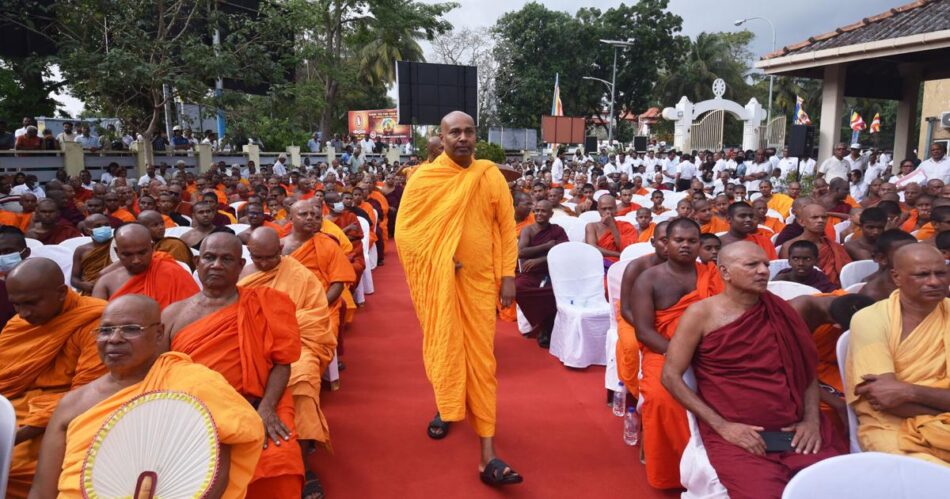
One of Mohsen’s significant contributions was his initiative to celebrate the Vesak festival at Columbia University. This event commemorates the birth, enlightenment, and passing of the Buddha and is traditionally marked by communal gatherings and acts of giving.
By bringing this celebration to campus, Mohsen aimed to share the joyous and communal aspects of Buddhist culture with his fellow students. The event was a success, attracting participants from various backgrounds and fostering a sense of unity and harmony.
Impact on Peers and Community
Mohsen’s presence and practice have had a profound impact on his peers. Many describe him as a calming and grounding force, capable of inspiring those around him to cultivate their own inner peace.
- His ability to maintain composure in challenging situations encourages others to do the same.
- He fosters an environment of mutual respect and understanding among diverse student groups.
- His commitment to nonviolence and cooperation serves as a model for constructive dialogue and action.
Challenges and Injustice
Despite his positive contributions, Mohsen’s journey has not been without challenges. Recently, he faced the unjust abduction by ICE, which has drawn attention to the broader issues of immigration and human rights.
The initial media coverage of his situation largely overlooked his Buddhist identity and the values that underpin his life. Understanding Mohsen’s story requires recognizing the profound impact of his dharma practice on his approach to life and community engagement.
Frequently Asked Questions
Mohsen was inspired to pursue Buddhism after experiencing personal trauma during his childhood in the West Bank. The teachings of Buddhism provided him with a framework for healing and understanding his pain.
Mohsen served as president of the Columbia University Buddhist Association, where he promoted inclusivity, invited diverse teachers, and organized events like the Vesak festival to foster community engagement.
Recently, Mohsen faced the challenge of being abducted by ICE, which has highlighted issues of immigration and human rights, raising awareness about the injustices faced by individuals in similar situations.
Note: Mohsen Mahdawi’s journey exemplifies the power of compassion, community, and the transformative potential of Buddhist practice in the face of adversity. His story serves as an inspiration for many seeking to create positive change in their lives and communities.