Ramakrishna Paramahansa Jayanti 2026: Date, History, and Significance
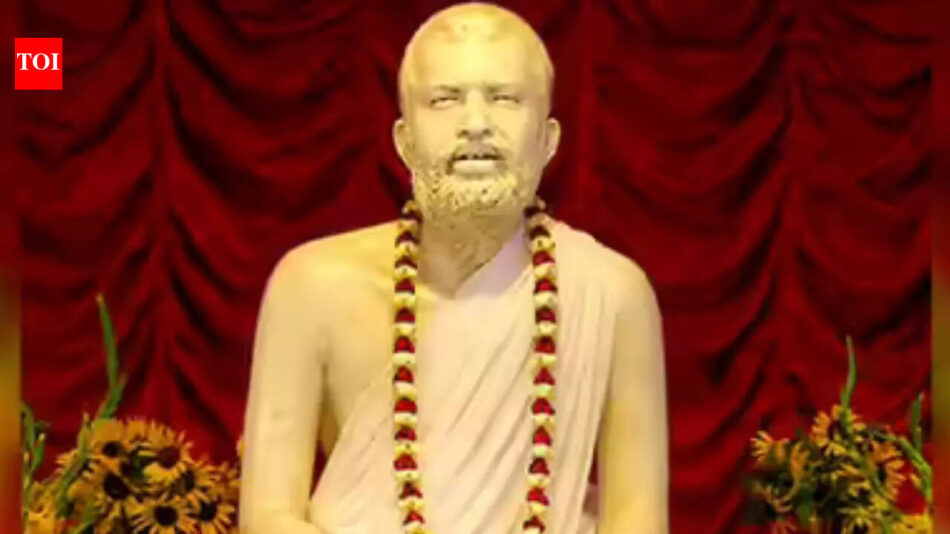
Ramakrishna Paramahansa Jayanti is a significant occasion celebrated by followers of Ramakrishna Paramahansa, marking his birth anniversary. In 2026, this auspicious day falls on February 19, allowing devotees to reflect on his teachings and contributions to spirituality.
The legacy of Ramakrishna Paramahansa continues to inspire countless individuals worldwide, emphasizing the importance of spiritual enlightenment and the unity of all religions. This article delves into the history, significance, and ways to celebrate this important day.
Continue Reading
Date and Time of Celebration
Ramakrishna Paramahansa Jayanti in 2026 is celebrated on February 19. The specific timings for the dwitiya tithi are as follows:
- Dwitiya Tithi Begins: February 18, 2026, at 04:57 PM
- Dwitiya Tithi Ends: February 19, 2026, at 03:58 PM
Historical Background
Ramakrishna Paramahansa, born in 1836 in a low-income family in Bengal, India, is regarded as one of the most influential spiritual leaders of the 19th century. He had minimal formal education but exhibited profound spiritual inclinations from a young age. His quest for divine truth led him to explore various religious paths, including Hinduism, Christianity, and Islam.
Under the guidance of his guru, Bhairavi Brahmani, Ramakrishna attained spiritual enlightenment and began to share his insights with others. His teachings emphasized the importance of direct experience of God over mere intellectual understanding.
Teachings of Ramakrishna Paramahansa
Ramakrishna Paramahansa’s teachings are centered around the following key principles:
- Unity of Religions: He believed that all religions lead to the same ultimate truth and encouraged respect and understanding among different faiths.
- Personal Experience: Emphasizing the importance of personal spiritual experiences, he taught that true knowledge comes from direct encounters with the divine.
- Devotion and Love: Ramakrishna stressed the significance of love and devotion in spiritual practice, asserting that these qualities are essential for attaining oneness with God.
Significance of Ramakrishna Paramahansa Jayanti
The celebration of Ramakrishna Paramahansa Jayanti serves multiple purposes:
- Commemoration: It honors the life and teachings of Ramakrishna, reminding followers of his contributions to spirituality.
- Spiritual Reflection: Devotees engage in prayer, meditation, and discussions about his teachings, fostering a deeper understanding of spiritual principles.
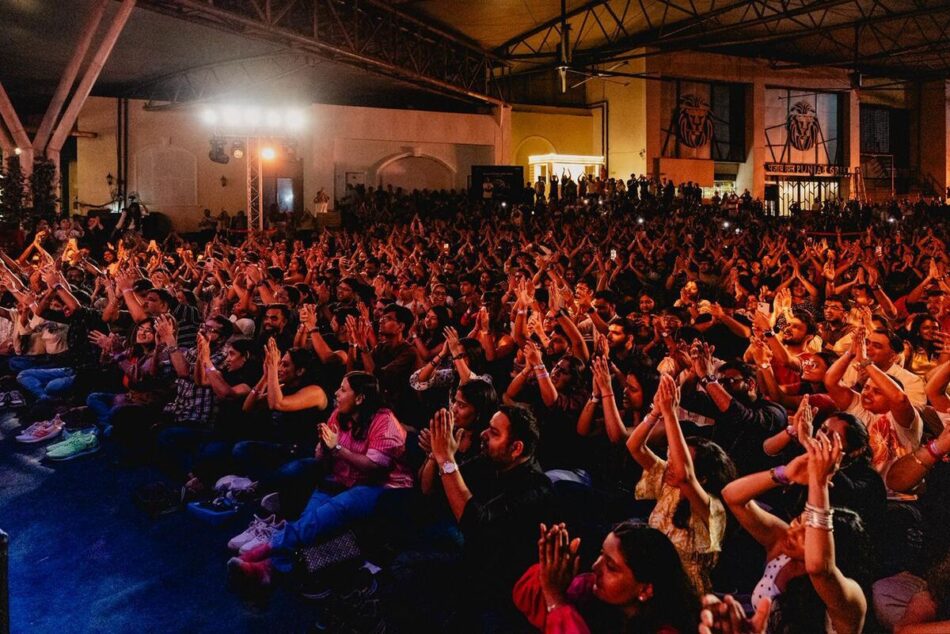
- Community Engagement: The day is marked by various events at Ramakrishna Math centers, including lectures, cultural programs, and community service activities.
How to Celebrate Ramakrishna Paramahansa Jayanti
Devotees can celebrate this auspicious day in several meaningful ways:
- Participate in Pujas: Attend special worship ceremonies held at temples and Ramakrishna Math centers.
- Engage in Meditation: Dedicate time for meditation and introspection, focusing on the teachings of Ramakrishna.
- Read His Writings: Explore the various texts and poems authored by Ramakrishna to gain insights into his spiritual philosophy.
- Community Service: Engage in humanitarian efforts, reflecting Ramakrishna’s teachings on selfless service.
Frequently Asked Questions
Ramakrishna Paramahansa Jayanti is the celebration of the birth anniversary of Ramakrishna Paramahansa, a revered spiritual leader in India.
In 2026, Ramakrishna Paramahansa Jayanti will be celebrated on February 19.
His key teachings include the unity of all religions, the importance of personal spiritual experience, and the significance of love and devotion in spiritual practice.
Note: Ramakrishna Paramahansa Jayanti is not only a day of celebration but also an opportunity for spiritual growth and community bonding through shared beliefs and practices.