Rare Valmiki Ramayana Manuscript Finds Permanent Home in Ayodhya
- The 233-year-old Valmiki Ramayana manuscript enhances cultural heritage in Ayodhya.
- Its permanent placement at the Ram Katha Museum supports global scholarship on the Ramayana.
- Preservation efforts ensure wider access to this historic text for future generations.
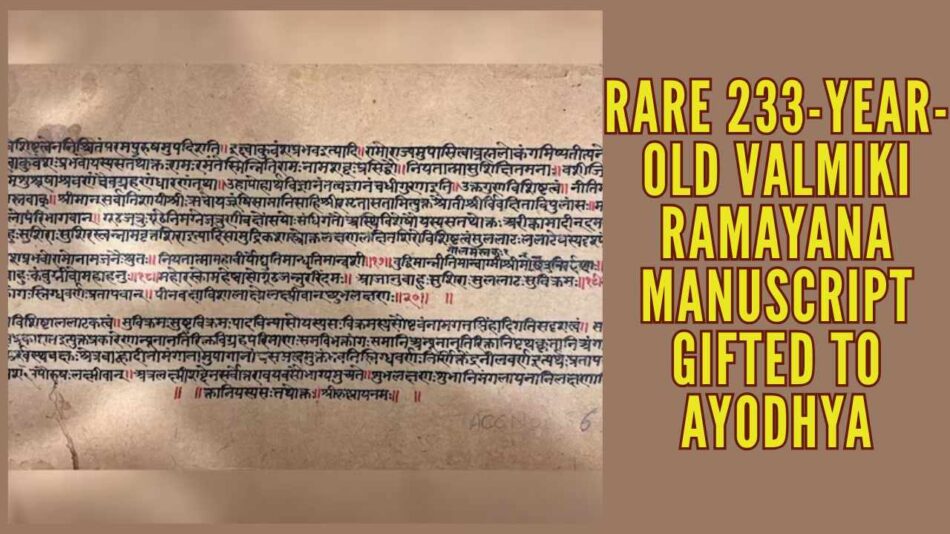
The recent gifting of a rare 233-year-old manuscript of the Valmiki Ramayana to the Antarrashtriya Ram Katha Sangrahalaya (International Ram Katha Museum) in Ayodhya marks a significant cultural milestone. This historic manuscript, written in Sanskrit, is a vital piece of India’s literary heritage.
As the manuscript finds its new home, it not only serves as a testament to the rich narrative tradition of the Ramayana but also reinforces Ayodhya’s status as a center for cultural and spiritual scholarship.
Continue Reading
Historical Significance of the Manuscript
The Valmiki Ramayana, authored by Adi Kavi Valmiki, is one of the oldest and most revered texts in Indian literature. The manuscript, dated to Vikrama Samvat 1849 (1792 CE), is accompanied by the classical commentary Tattvadipika Tika by Maheshvara Tirtha. This combination of original text and commentary provides insights into the philosophical and spiritual dimensions of the epic.
Details of the Manuscript
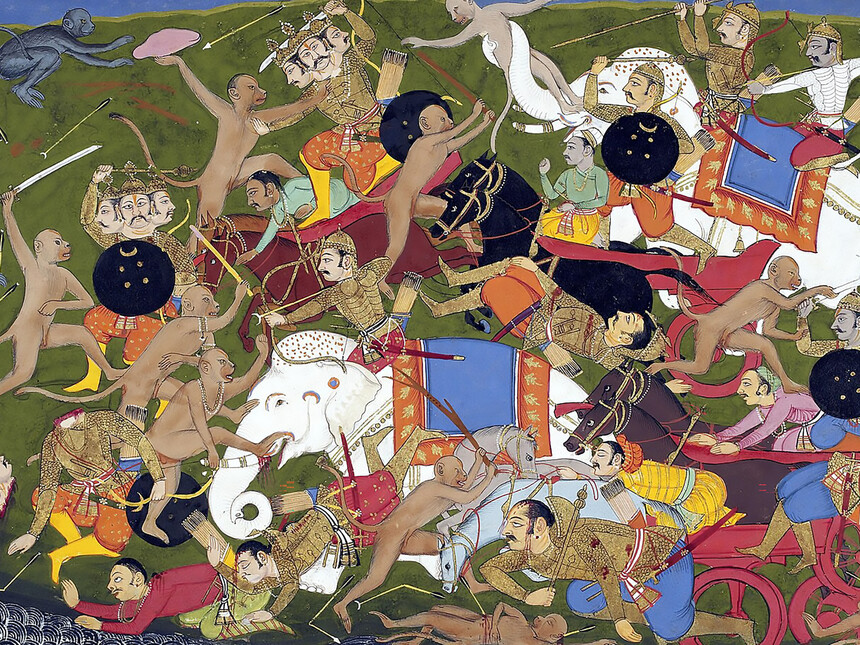
Comprising five principal kandas—Balakanda, Aranyakanda, Kishkindhakanda, Sundarakanda, and Yuddhakanda—the manuscript encapsulates the essence of the Ramayana’s narrative and its moral teachings. Each kanda reflects different aspects of the epic, from the birth of Lord Rama to the climactic battle against Ravana.
The Transfer Process
The formal transfer of the manuscript was conducted by Shrinivasa Varakhedi, Vice Chancellor of the Central Sanskrit University, to Nripendra Misra, Chairman of the Executive Council of the Prime Ministers Museum and Library. This event was characterized as a landmark moment for both the museum and the cultural landscape of India.
Impact on Ayodhya’s Cultural Landscape
The permanent placement of the Valmiki Ramayana manuscript at the Ram Katha Museum is expected to bolster the museum’s development as a global center for Ramayana heritage and scholarship. Officials have emphasized that this gesture will enhance public access to the manuscript, allowing scholars, devotees, and visitors to engage with this significant cultural artifact.
Varakhedi remarked, “This gift immortalizes the profound wisdom of the Valmiki Ramayana, making it accessible to scholars and visitors from across the world in the sacred city of Ayodhya.” Misra added that the donation represents a significant contribution to India’s cultural and civilizational legacy.
Preservation and Accessibility
Prior to its permanent home in Ayodhya, the manuscript was on loan to Rashtrapati Bhavan in New Delhi. The decision to transfer it to the Ram Katha Museum reflects a commitment to long-term preservation and accessibility. This ensures that the manuscript is not only protected but also available for educational and cultural purposes.
Future Prospects
As the Ram Katha Museum continues to evolve, the inclusion of the Valmiki Ramayana manuscript is poised to attract scholars and tourists alike. The museum aims to facilitate research and promote understanding of the Ramayana’s impact on Indian culture and spirituality.
Moreover, this initiative aligns with broader efforts to promote cultural tourism in Ayodhya, thereby contributing to the local economy and enhancing the city’s global profile.
Conclusion
The gifting of the Valmiki Ramayana manuscript to the Ram Katha Museum stands as a pivotal moment in preserving India’s literary heritage. It symbolizes a commitment to cultural continuity and provides a platform for future generations to explore and appreciate the depth of the Ramayana.
Frequently Asked Questions
The manuscript is a historic text that embodies India’s literary and cultural heritage, providing insights into the Ramayana’s narrative and teachings.
The manuscript has found a permanent home at the Antarrashtriya Ram Katha Sangrahalaya (International Ram Katha Museum) in Ayodhya.
The manuscript enhances the museum’s appeal as a cultural destination, attracting scholars and tourists, and promoting the local economy.
Note: Provide a strategic conclusion reinforcing long-term business impact and keyword relevance.