Rohini Vrat February 2026: Date, Puja Vidhi, and the Modern Significance of the Jain Fast
Rohini Vrat, a significant observance for the Jain community, will take place on February 25, 2026. This fast, linked to the Rohini Nakshatra, emphasizes the connection between Jain rituals and cosmic science.
As modern society increasingly seeks mindfulness and spiritual practices, the principles of Rohini Vrat resonate deeply, offering a unique blend of tradition and contemporary relevance.
Continue Reading
Understanding Rohini Vrat
Rohini Vrat is observed during the Rohini Nakshatra, which is a significant astrological event in Jainism. This observance is dedicated to Lord Vasupujya, the 12th Tirthankara, who is revered for attaining Kevala Jnana (omniscience) through rigorous penance. The fast is traditionally observed by women for the prosperity and longevity of their families, but its underlying philosophy is universal.
Date and Timing for 2026
In 2026, Rohini Vrat falls on February 25. The following timings are important for devotees:
- Nakshatra Timing: Rohini Nakshatra is active from sunrise until 01:38 PM.
- Vrat Start: Begins at sunrise (approximately 6:55 AM, varying by location).
- Parana (Breaking the Fast): Concludes after the Rohini Nakshatra transitions into Mrigashirsha, typically until sunset or the next morning, depending on individual vows.
Significance of Rohini Vrat
The relevance of Rohini Vrat in today’s world is profound. As individuals navigate the complexities of modern life, the principles of this fast offer a spiritual anchor:
- Spiritual Discipline: The fast encourages self-control and non-violence (Ahimsa).
- Overcoming Poverty: Observing the Vrat sincerely is believed to alleviate the consequences of poverty and sorrow.
- Planetary Peace: Aligning rituals with the Rohini Nakshatra is thought to bring stability and nourishment, similar to the nurturing qualities of the Moon.
Puja Vidhi for February 25
To fully benefit from the observance, devotees should follow these traditional rituals:
- Brahma Muhurta & Snan: Wake up during Brahma Muhurta (approximately two hours before sunrise) and take a ritual bath.
- Sankalp (Vow): After bathing, wear clean clothes and take a vow to observe the fast for pure desires.
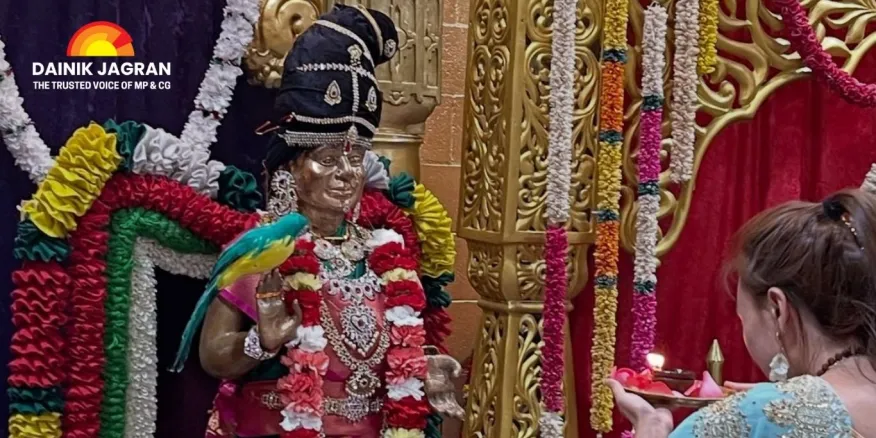
- Puja of Lord Vasupujya: Set up an altar with an idol or picture of Lord Vasupujya, offering fruits, flowers, and incense.
- Meditation and Pratikraman: Spend the day in meditation, reciting mantras, and performing Pratikraman for introspection.
- Pathya (What to do): Engage in charity (Daan) by donating food or clothes, which is highly meritorious on this day.
The Timeless Story (Vrat Katha)
The significance of Rohini Vrat is often illustrated through the legend of Queen Durgandha. Born with a foul odor due to a past life sin, she was advised by a sage to observe the Rohini Nakshatra fast. Through her devotion, she was purified and reborn into a heavenly abode, exemplifying the Jain belief that sincere observance can nullify heavy karmas.
Modern Relevance of Rohini Vrat
As society increasingly embraces wellness trends, the principles of Rohini Vrat align with the contemporary focus on mindful living. The fast teaches that limiting physical desires can enhance spiritual clarity. This perspective resonates with current practices like intermittent fasting and digital detoxes, highlighting the enduring wisdom of ancient traditions.
Frequently Asked Questions
Rohini Vrat is a monthly observance in Jainism dedicated to Lord Vasupujya, observed during the Rohini Nakshatra, emphasizing spiritual discipline and karmic cleansing.
Rohini Vrat falls on February 25, 2026, with specific timings for the start and conclusion of the fast based on the Rohini Nakshatra.
Rituals include taking a ritual bath, making a vow, performing puja for Lord Vasupujya, meditation, and engaging in charity.
Note: The observance of Rohini Vrat offers a unique opportunity to connect with ancient traditions while navigating modern challenges, providing spiritual insights that are increasingly relevant today.