Solar vs Lunar Eclipse: What’s the Spiritual Difference and Why Rituals Change
- Understanding the spiritual significance of solar and lunar eclipses can enhance personal rituals.
- Different rituals are performed based on the type of eclipse, reflecting unique energies.
- Incorporating these insights into practice can lead to deeper spiritual experiences.
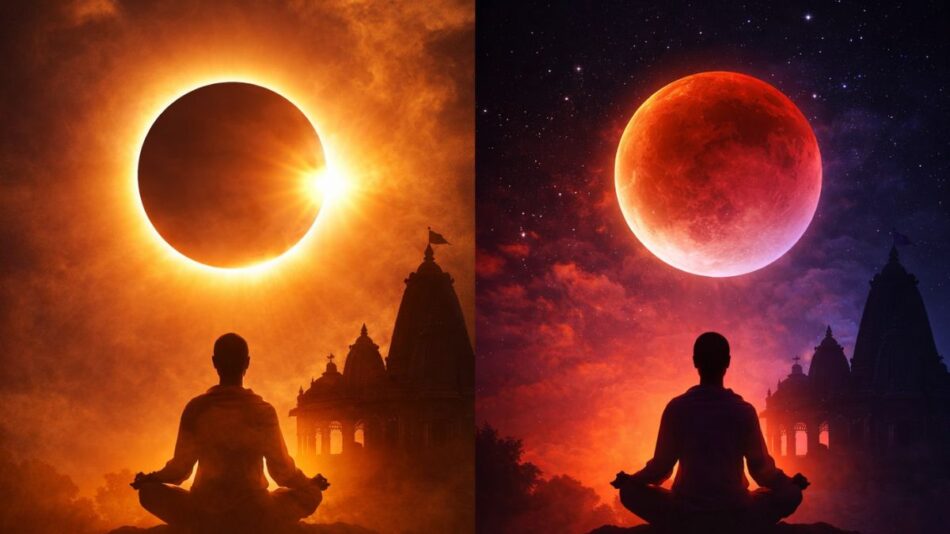
Eclipses are significant astronomical events that have captivated human attention for centuries. They not only hold scientific value but also possess profound spiritual meanings across various cultures. The solar eclipse, where the moon obscures the sun, and the lunar eclipse, where the Earth casts a shadow on the moon, are both believed to influence spiritual practices and rituals.
Understanding the spiritual differences between these two types of eclipses can provide insights into why rituals associated with them change. This article explores the spiritual implications of solar and lunar eclipses, their historical contexts, and how these celestial events impact rituals and personal practices.
Continue Reading
The Spiritual Significance of Solar Eclipses
A solar eclipse occurs when the moon passes between the Earth and the sun, temporarily blocking the sun’s light. This event is often viewed as a powerful time for new beginnings. In many spiritual traditions, solar eclipses symbolize a moment of transformation and renewal.
During a solar eclipse, the sun’s energy is believed to be intensified, creating a unique opportunity for individuals to set intentions and manifest desires. Many practitioners engage in rituals that focus on:
- Meditation for clarity and focus.
- Setting new goals and intentions.
- Releasing old patterns that no longer serve them.
These practices are rooted in the belief that the eclipse acts as a catalyst for change, encouraging individuals to embrace new paths and opportunities.
The Spiritual Significance of Lunar Eclipses
A lunar eclipse, in contrast, occurs when the Earth passes between the sun and the moon, casting a shadow on the moon. This event is often associated with emotional release and reflection. The energy during a lunar eclipse is thought to be more introspective, prompting individuals to confront their inner selves.
Rituals performed during a lunar eclipse typically focus on:
- Emotional healing and release.
- Letting go of past traumas and negative energies.
- Introspection and self-discovery.
Many spiritual practitioners use this time to engage in journaling or reflective practices, allowing them to process emotions and gain insights into their personal journeys.
Why Rituals Change Based on Eclipse Types
The differing energies associated with solar and lunar eclipses lead to distinct rituals. Understanding the nature of each eclipse helps practitioners align their spiritual practices with the cosmic energies at play.
For instance, during a solar eclipse, the focus is on outward manifestation and proactive change, while a lunar eclipse encourages inward reflection and emotional processing. This fundamental difference in energy influences:
- The choice of rituals performed.
- The intentions set during these rituals.
- The overall approach to spiritual growth.
As a result, practitioners may choose to engage in more active rituals during solar eclipses and more contemplative practices during lunar eclipses.
Practical Implementation of Eclipse Rituals
To effectively harness the energies of solar and lunar eclipses, practitioners can implement specific rituals tailored to each type of eclipse. Here are some actionable strategies:
Rituals for Solar Eclipses
- Create a vision board to visualize your goals.
- Perform a manifestation meditation, focusing on what you wish to attract.
- Engage in a cleansing ritual, such as burning sage, to release old energies.
Rituals for Lunar Eclipses
- Conduct a releasing ceremony, where you write down what you wish to let go of and burn the paper.
- Practice deep meditation to connect with your emotions and insights.
- Engage in a group sharing circle to discuss feelings and experiences.
Conclusion
Understanding the spiritual differences between solar and lunar eclipses can significantly enhance personal rituals and spiritual practices. By aligning rituals with the unique energies of each eclipse, individuals can experience profound transformation and growth. Whether focusing on manifestation during solar eclipses or emotional healing during lunar eclipses, the key is to remain open to the lessons these celestial events offer.
Note: Provide a strategic conclusion reinforcing long-term business impact and keyword relevance.
Frequently Asked Questions
A solar eclipse occurs when the moon blocks the sun, while a lunar eclipse happens when the Earth casts a shadow on the moon. Each type has distinct spiritual meanings and associated rituals.
Rituals for solar eclipses focus on manifestation and new beginnings, while lunar eclipse rituals emphasize emotional release and introspection.
Yes, you can perform rituals during both solar and lunar eclipses, but it’s essential to tailor your practices to align with the specific energies of each event for maximum effectiveness.