Taking Stock of Who We Are and What It Means to Be Human
In a world filled with complexities and challenges, the quest for understanding our true selves has never been more critical. This journey often involves grappling with our past actions, our relationships, and the impact we have on the world around us.
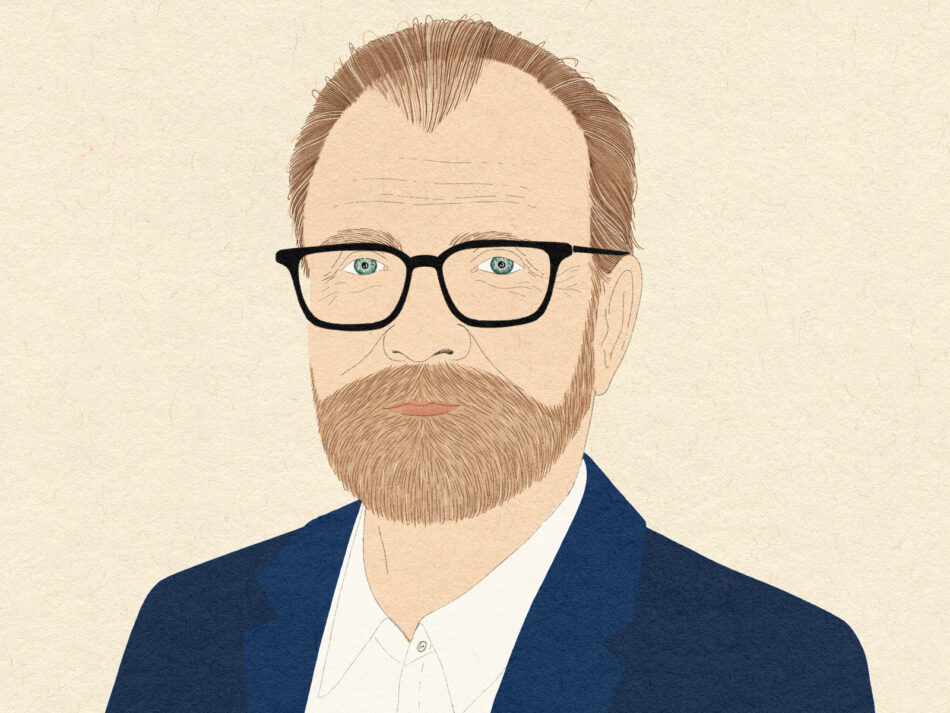
In a recent conversation, acclaimed author George Saunders delves into these themes, exploring the concept of ‘bardo’ from Tibetan Buddhism, which represents the transitional states of existence. His insights reveal profound truths about accountability, authenticity, and the human experience.
Continue Reading
The Concept of Bardo
In Tibetan Buddhism, ‘bardo’ refers to the intermediate state between death and rebirth, as well as the journey from birth to death. This concept serves as a framework for understanding the transitions we face in life. Saunders emphasizes the significance of acceptance, interconnectedness, and impermanence, especially in the context of relationships and personal growth.
Exploring Everyday Between-States
Everyday between-states can manifest in various aspects of life, such as:
- Parent-child relationships
- Friendships
- Work dynamics
- Creative processes
These moments of transition provide opportunities for reflection and growth, allowing individuals to discover new perspectives and pathways to happiness.
The Inspiration Behind Vigil
George Saunders’s latest novel, Vigil, centers on K. J. Boone, an aging oil tycoon facing his mortality. Through Boone’s journey, Saunders poses critical questions about accountability and the capacity for repentance.
Key Themes in Vigil
Some of the central themes explored in Vigil include:
- Denial and responsibility
- Desire and regret
- Free will and fate
As Boone confronts his past, he is visited by ghosts representing different facets of his life, forcing him to reckon with the consequences of his actions.
The Challenge of Self-Reflection
One of the most profound insights Saunders shares is the difficulty of self-reflection and the tendency to offer excuses for our actions. Drawing from the Tibetan Book of the Dead, he notes that individuals often present “lame excuses” to justify their behaviors.
The Process of Honest Reflection
In the process of self-reflection, Saunders identifies several stages:
- Initial excuses that are easily dismissed.
- A deeper exploration of justifications.
- A moment of clarity and honesty.
This journey towards honesty can be liberating, allowing individuals to confront their truths and move beyond self-justification.
Experiencing Betweenness in Daily Life
For Saunders, the experience of betweenness is a constant in his life. He describes the tension between his ideal self and his flawed reality, often feeling impatient and overwhelmed. Writing serves as a form of meditation for him, providing clarity and focus.
The Role of Writing in Self-Discovery
Writing allows Saunders to slow down and engage in a reflective process that enhances his understanding of himself. He emphasizes that the act of editing and rewriting fosters patience and presence, bridging the gap between his aspirations and reality.
The Quest for Authenticity
When discussing authenticity, Saunders acknowledges the complexity of the self. He recognizes that individuals possess multiple selves that emerge in different contexts, making it challenging to identify a singular “authentic self.”
Understanding the Authentic Self
In his view, authenticity is not a fixed state but rather a dynamic interplay of thoughts and emotions. This perspective encourages a more nuanced understanding of identity, allowing individuals to embrace the multiplicity of their experiences.
Frequently Asked Questions
The bardo concept represents the transitional states between death and rebirth, emphasizing the importance of acceptance and reflection during these phases of life.
In his works, particularly in Vigil, Saunders examines the complexities of accountability through characters grappling with their past actions and the consequences of their choices.
Writing serves as a meditative practice for Saunders, allowing him to slow down, reflect, and bridge the gap between his ideal self and his actual self.
Note: The exploration of self, accountability, and authenticity is a journey that requires courage and introspection. By engaging with these themes, we can better understand who we are and what it means to be human.