Why Inclusion of Hindu, Buddhist Ministers in New Bangladesh Govt Matters
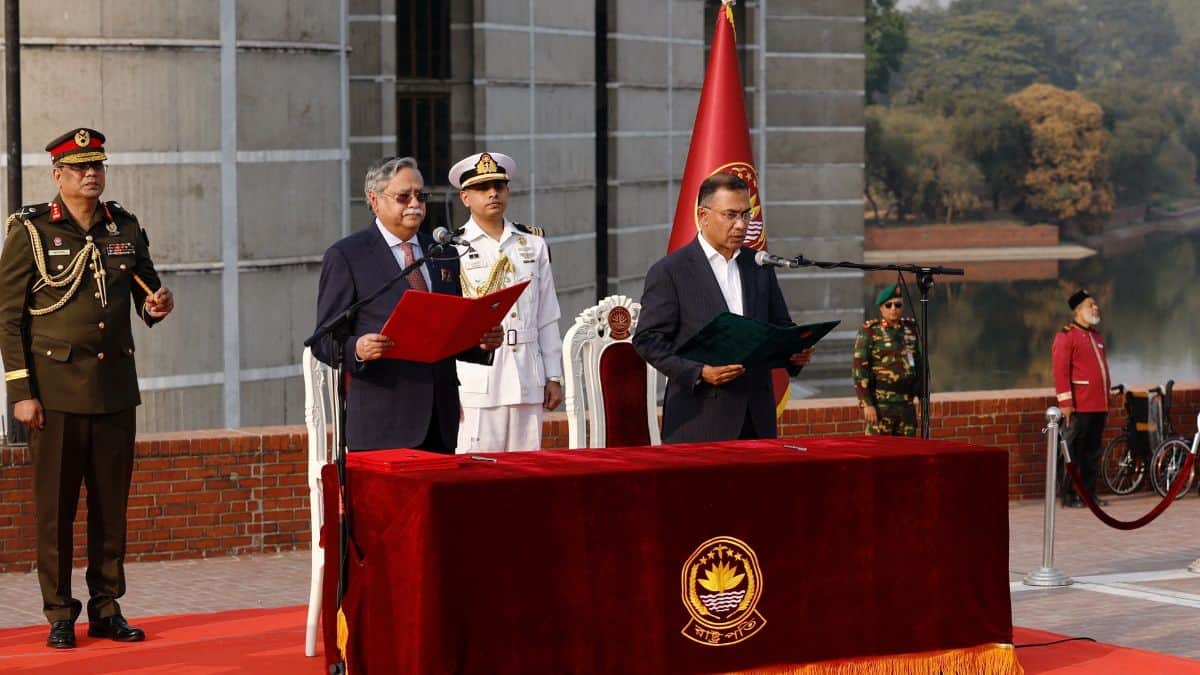
The recent formation of the new government in Bangladesh has sparked discussions regarding the inclusion of Hindu and Buddhist ministers in its cabinet. This development is significant not only for the representation of minority communities but also for the broader implications it has on the socio-political landscape of the country.
Understanding the historical context and the current dynamics of religious representation in Bangladesh is essential to grasp the importance of this inclusion. As the nation navigates its identity and governance, the representation of diverse faiths can pave the way for a more inclusive society.
Continue Reading
Historical Context of Religious Minorities in Bangladesh
Bangladesh, predominantly a Muslim-majority nation, has a rich tapestry of religious and cultural diversity. However, the Hindu and Buddhist communities, which are among the largest religious minorities, have often faced challenges regarding their representation and rights.
Historically, the partition of India in 1947 and the subsequent formation of Pakistan led to significant demographic changes and communal tensions. Over the decades, the Hindu and Buddhist populations have dwindled, primarily due to migration, communal violence, and socio-political marginalization.
Significance of Inclusion in Governance
The inclusion of ministers from Hindu and Buddhist backgrounds in the new cabinet is a landmark decision that can have several implications:
- Enhanced Representation: It ensures that minority voices are heard in the decision-making processes of the government.
- Promotion of Secularism: This step can reinforce the secular fabric of the nation, promoting harmony among different religious communities.
- Encouragement of Civic Engagement: The representation of minorities can inspire greater civic participation among these communities, fostering a sense of belonging and empowerment.
Potential Challenges Ahead
While the inclusion of Hindu and Buddhist ministers is a positive step, several challenges remain:
- Political Backlash: The decision may face opposition from hardline factions that resist minority representation.
- Societal Attitudes: Deep-rooted biases and stereotypes against minorities may hinder their acceptance in political roles.
- Ensuring Effective Governance: The ministers must navigate the complexities of governance while addressing the unique needs of their communities.
Impact on National Unity
The presence of Hindu and Buddhist ministers in the cabinet can serve as a catalyst for national unity. By showcasing diversity within the government, it sends a message that all citizens, regardless of their religious affiliation, have a stake in the nation’s future.
Moreover, it can help mitigate tensions between different communities, fostering dialogue and collaboration. A government that reflects the diversity of its populace is better equipped to address the multifaceted challenges that Bangladesh faces.
International Implications
The international community is closely watching Bangladesh’s approach to minority rights and representation. The inclusion of ministers from diverse backgrounds can enhance Bangladesh’s image as a progressive nation committed to human rights.
This move may also influence foreign relations, particularly with countries that prioritize human rights in their diplomatic engagements. A positive stance on minority representation can lead to increased cooperation and support from international partners.
Frequently Asked Questions
The inclusion is significant as it enhances representation for minority communities, promotes secularism, and encourages civic engagement among diverse groups.
Challenges may include political backlash, societal attitudes against minorities, and the need to effectively govern while addressing community-specific issues.
This inclusion can foster national unity by showcasing diversity, mitigating community tensions, and promoting dialogue among different religious groups.
Conclusion
Note: The inclusion of Hindu and Buddhist ministers in the new Bangladesh government represents a crucial step towards greater representation and inclusivity in governance. It is a move that can potentially reshape the socio-political landscape of the nation, promoting harmony and unity among its diverse populace.