Why Puri is Concerned About the New Jagannath Temple in Digha
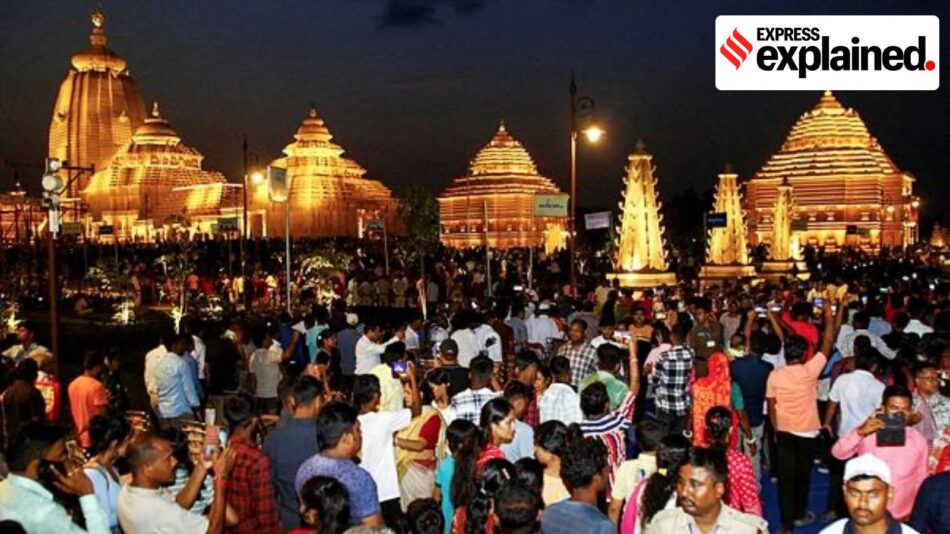
The recent inauguration of a new Jagannath temple in Digha, West Bengal, has sparked significant concern among the servitors and devotees of the original Jagannath Temple in Puri, Odisha. Built at a cost of Rs 250 crore, this temple is a replica of the historic 12th-century shrine and is located approximately 350 kilometers from Puri.
As the temple opens its doors to worshippers, questions arise regarding its implications for the cultural and religious significance of the Puri Temple, as well as its potential impact on tourism in the region.
Continue Reading
The Digha Temple: An Overview
The new Jagannath temple in Digha is dedicated to Lord Jagannath, Lord Balabhadra, Goddess Subhadra, and Goddess Mahalaxmi, similar to its counterpart in Puri. The temple stands 213 feet tall and is constructed in the Kalingan architectural style, using sandstone. The project was initiated in 2019, with construction commencing in May 2022 under the supervision of the West Bengal Housing Infrastructure Development Corporation.
Concerns from Puri Servitors
Members of the servitor community in Puri have raised alarms regarding the new temple, particularly about the rituals that may be performed there. The Suar Mahasuar nijog, responsible for preparing offerings (bhog) in the Puri Temple, and the Puspalaka nijog, which dresses the deities, have issued notices discouraging participation in any rituals at the Digha temple.
Padmanava Mahasuar, president of the Suar Mahasuar nijog, expressed that while they appreciate the temple’s inauguration, they believe that replicating the traditional rituals of the Puri Temple in Digha could dilute the significance of the original shrine.
Ritual Authenticity and Cultural Integrity
One of the main issues highlighted by Puri servitors is the authenticity of rituals performed at the Digha temple. The consecration ceremony on April 30 was attended by a senior servitor from the Puri Temple, Ramakrushna Dasmohapatra, who emphasized that the rituals unique to Puri should not be replicated elsewhere. He noted that the idols at the Digha temple are made of stone, which contradicts the traditional belief that Lord Jagannath is represented by wooden idols (Daru Brahma).
Economic Implications
Another significant concern for the Puri servitors is the potential economic impact of the Digha temple on tourism in Puri. Historically, a large number of visitors to Odisha come from West Bengal, with the Odisha government’s Statistical Bulletin indicating that nearly 14% of domestic tourists in 2023 were from Bengal. This trend has remained consistent over the past few years.
Tour operators have expressed mixed feelings about the new temple’s impact. While acknowledging the importance of the Jagannath Temple in Puri, they point out that Digha currently lacks the tourist infrastructure that Puri and other significant sites like Konark and Chilika offer. However, they caution that if the Odisha government does not enhance the experience for devotees at the Puri Temple, there may be a gradual shift in tourist preferences.
Controversy Over the Use of ‘Dham’
The West Bengal government’s decision to refer to the Digha temple as a ‘Dham’ has also been met with criticism. Daitapati Ramachandra Dasmohapatra from the Puri Temple highlighted that there are only four recognized dhams in Hinduism: Badrinath, Dwarka, Puri, and Rameswaram. He argued that the use of the term for the Digha temple is misleading and could confuse devotees.
Moreover, the inclusion of a picture of the Nilachakra, the metal wheel atop the Puri Temple, in promotional materials for the Digha temple has raised eyebrows among traditionalists.
Future Prospects
As the Digha temple opens to the public, it remains to be seen how the dynamics between the two temples will evolve. The Puri servitors’ concerns about ritual authenticity and economic competition highlight the complex interplay between tradition and modernity in the realm of religious tourism.
It is essential for both the West Bengal and Odisha governments to consider the cultural significance of the original Jagannath Temple while promoting tourism in their respective regions. The preservation of traditions and the authentic experience for devotees should remain a priority.
Frequently Asked Questions
The Jagannath Temple in Puri is one of the four sacred dhams in Hinduism and is dedicated to Lord Jagannath, a form of Lord Krishna. It attracts millions of devotees annually and is known for its grand annual Rath Yatra.
Puri servitors are concerned that the Digha temple may dilute the cultural and religious significance of the original Puri Temple by replicating its rituals and attracting tourists away from Puri.
The Digha temple could potentially draw tourists away from Puri, impacting the local economy that relies heavily on tourism. If Puri does not enhance the experience for devotees, it may face long-term challenges.
Note: The establishment of the Digha temple raises important questions about cultural integrity, economic competition, and the preservation of traditions in the face of modern developments.