YogMantra | Asanas May Fall Away, But Pranayama Remains For A Lifetime
- Emphasizing the long-term benefits of pranayama over physical postures.
- Strategies for integrating breath control into daily routines.
- Understanding the mental and physical health benefits of consistent yoga practice.
- Exploring how meditative breathing enhances focus and reduces stress.
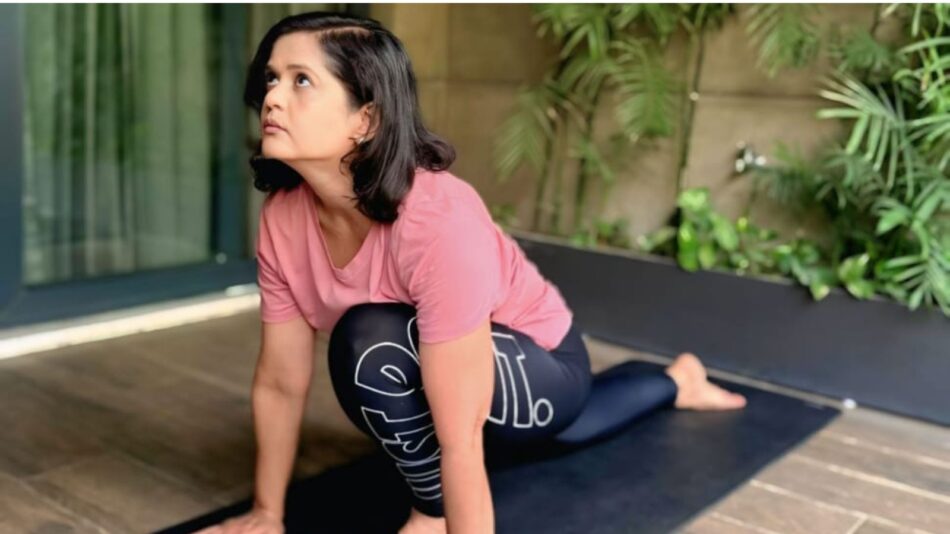
Yoga has evolved into a global phenomenon, attracting millions seeking physical fitness, mental clarity, and spiritual growth. While many practitioners focus on the physical postures, or asanas, the essence of yoga lies deeper in the practice of pranayama, the art of breath control.
As we navigate through life, the ability to control our breath becomes an invaluable tool. Unlike asanas that may become challenging with age or injury, pranayama can be practiced throughout our lives, offering profound benefits that extend beyond the yoga mat.
Continue Reading
The Importance of Pranayama in Yoga
Pranayama, derived from the Sanskrit words “prana” (life force) and “ayama” (control), is a practice that focuses on regulating breath to enhance the flow of energy in the body. While asanas are essential for physical fitness, pranayama serves as a bridge connecting the physical and spiritual aspects of yoga.
Practicing pranayama offers numerous benefits, including:
- Improved lung capacity and respiratory function.
- Increased mental clarity and focus.
- Enhanced emotional stability and stress reduction.
- Boosted immune system and overall health.
Integrating Pranayama into Daily Life
To reap the benefits of pranayama, it is essential to incorporate it into daily routines. Here are practical strategies for doing so:
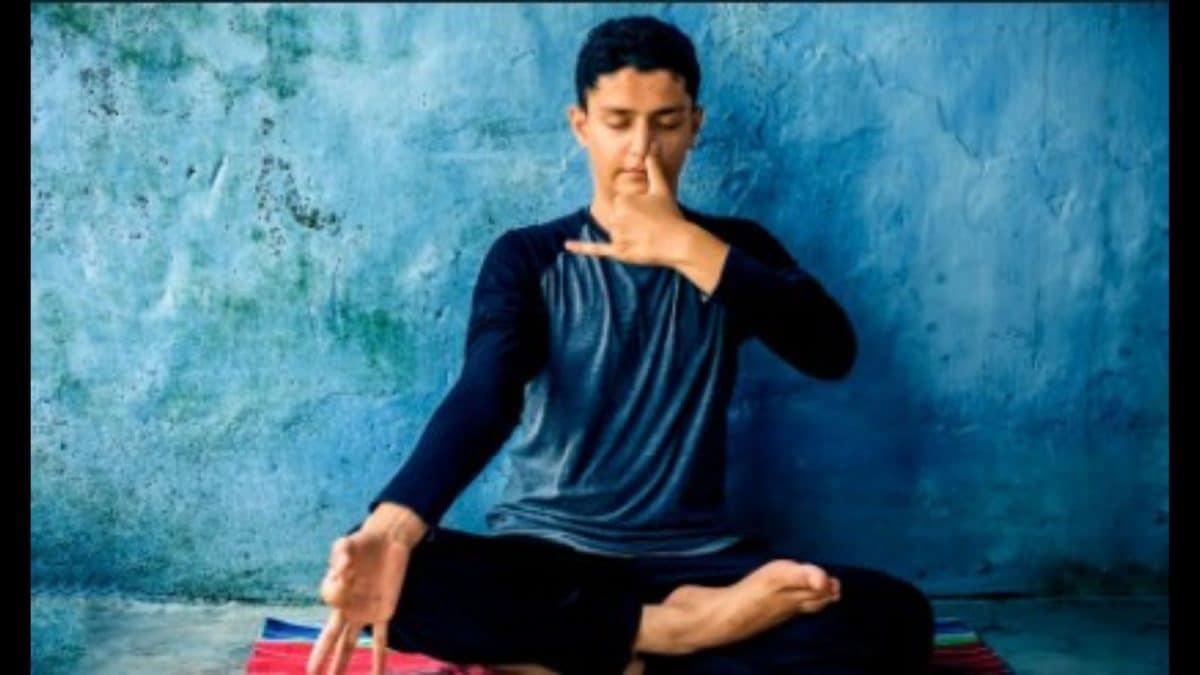
- Morning Ritual: Start your day with a few minutes of pranayama. Techniques such as Nadi Shodhana (alternate nostril breathing) can help center your mind and prepare you for the day ahead.
- Mindful Breaks: Incorporate short breathing exercises during breaks at work or whenever you feel stressed. Simple techniques like deep belly breathing can quickly alleviate tension.
- Evening Wind Down: Before bedtime, practice calming pranayama techniques such as Ujjayi (victorious breath) to promote relaxation and improve sleep quality.
Health Benefits of Pranayama
The health benefits of consistent pranayama practice are well-documented. Research indicates that regular breath control can lead to:
- Lower blood pressure and improved cardiovascular health.
- Enhanced lung function and respiratory efficiency.
- Decreased anxiety and depression symptoms.
- Improved focus and cognitive function.
Moreover, pranayama can be particularly beneficial for individuals dealing with chronic illnesses or conditions such as asthma, anxiety disorders, and high blood pressure.
Pranayama Techniques to Explore
There are various pranayama techniques, each with unique benefits. Here are a few to consider:
- Kapala Bhati: This technique involves rapid, forceful exhalations followed by passive inhalations, energizing the body and clearing the mind.
- Bhramari: Known as the humming bee breath, this technique helps calm the mind and reduce stress.
- Box Breathing: A simple yet effective technique that involves inhaling, holding, exhaling, and holding the breath in equal counts, promoting relaxation and mental clarity.
Challenges and Considerations
While pranayama is accessible to most, some may face challenges in practice. It is essential to approach these techniques with mindfulness:
- Start slowly and gradually increase the duration and complexity of your practice.
- Seek guidance from a qualified instructor to ensure proper technique and avoid potential risks.
- Listen to your body; if you experience discomfort or dizziness, stop and resume normal breathing.
Conclusion
As we explore the depths of yoga, it becomes clear that while asanas may fade with age, the practice of pranayama can be a lifelong companion. By integrating breath control into our daily lives, we not only enhance our physical health but also cultivate mental resilience and emotional stability.
Note: Provide a strategic conclusion reinforcing long-term business impact and keyword relevance.
Frequently Asked Questions
Pranayama is the practice of breath control in yoga, essential for enhancing energy flow, mental clarity, and emotional stability. It serves as a foundation for deeper yoga practices.
Integrate pranayama by practicing it during morning rituals, taking mindful breaks throughout the day, and incorporating calming techniques before bedtime.
Benefits include improved lung function, reduced anxiety, enhanced focus, and better cardiovascular health, making it a valuable practice for overall well-being.