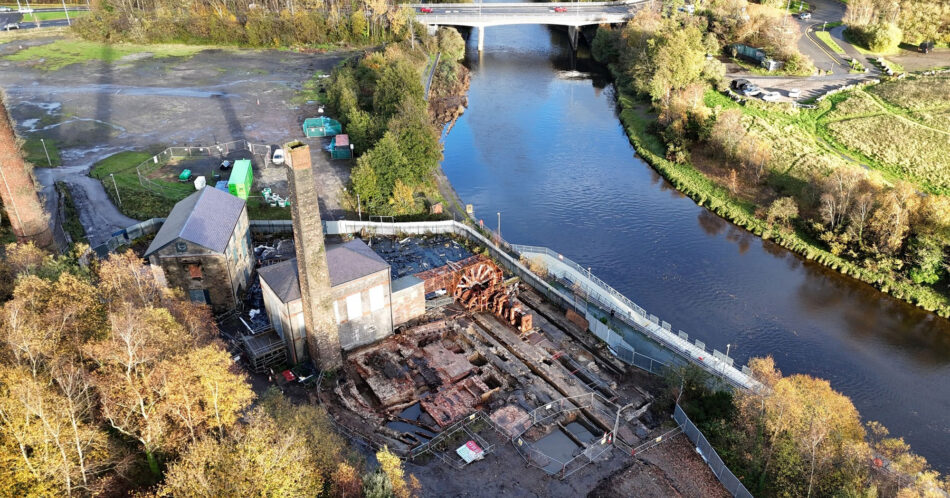
19th-Century Copper Industry Site Explored in Wales
- Recent archaeological efforts have uncovered significant insights into the copper industry in Wales.
- The findings highlight the economic impact of the copper trade during the 19th century.
- Community engagement has played a crucial role in preserving local heritage.
- Future research aims to further explore the technological advancements of the period.
The exploration of a 19th-century copper industry site in Wales has unveiled remarkable historical insights. This site, once a bustling hub of copper production, is now a focal point for archaeologists and historians alike.
The significance of this discovery extends beyond mere historical interest; it offers a glimpse into the economic and social dynamics of the time, showcasing how the copper industry shaped local communities and contributed to broader industrial growth.
Continue Reading
Historical Context of the Copper Industry
The copper industry in Wales flourished during the 19th century, driven by the demand for copper in various applications, including electrical wiring and construction. The site being explored was once part of a larger network of smelting works and mines that contributed significantly to the local and national economy.
As industrialization took hold, the need for copper escalated, leading to the establishment of numerous smelting facilities. These operations not only provided jobs but also transformed the landscape and the communities surrounding them.
Archaeological Discoveries
Recent excavations at the site have revealed a wealth of artifacts and structural remnants that provide insight into the daily operations of the copper industry. Key findings include:
- Foundations of smelting furnaces, which illustrate the technological methods used during the period.
- Tools and equipment that were essential for copper production.
- Waste materials indicating the scale of production and the environmental impact of the industry.
These discoveries are vital for understanding the industrial processes and the workforce involved in the copper trade. They also highlight the challenges faced by workers, including health risks associated with exposure to toxic materials.
Economic Impact
The copper industry was a significant driver of economic growth in Wales during the 19th century. The demand for copper surged due to its applications in emerging technologies, particularly in electrical engineering. This demand not only boosted local economies but also positioned Wales as a key player in the global copper market.
Local communities benefited from job creation and infrastructure development, which were direct results of the industry’s expansion. However, this growth came with challenges, including environmental degradation and labor disputes, which are essential to consider in any comprehensive analysis of the period.
Community Engagement and Heritage Preservation
Community involvement has been integral to the ongoing exploration and preservation of the copper industry site. Local heritage groups and volunteers have collaborated with archaeologists to document and conserve the findings. This partnership has fostered a sense of ownership and pride among residents, emphasizing the importance of preserving their industrial heritage.
Educational programs and public events have been organized to raise awareness about the site’s historical significance. These initiatives not only engage the community but also promote tourism, providing an additional economic boost to the area.
Future Research Directions
As archaeological work continues, researchers aim to delve deeper into the technological advancements that characterized the copper industry. Future studies will focus on:
- Understanding the evolution of smelting techniques and their efficiency.
- Investigating the socio-economic impact of the copper trade on local communities.
- Exploring the environmental consequences of industrial activities and how they were managed.
These research directions will contribute to a more nuanced understanding of the copper industry and its legacy in Wales, providing valuable lessons for contemporary industrial practices.
Conclusion
The exploration of the 19th-century copper industry site in Wales not only uncovers the rich history of copper production but also highlights the interconnectedness of industry, community, and environment. As research progresses, it will continue to shed light on the complexities of industrialization and its lasting impact on society.
Frequently Asked Questions
The copper industry was crucial for economic growth in Wales, providing jobs and contributing to the local and national economy through increased demand for copper in various applications.
Excavations have revealed smelting furnace foundations, tools, and waste materials, offering insights into the production processes and the scale of operations during the period.
Local heritage groups and volunteers are actively participating in the documentation and conservation efforts, fostering community pride and raising awareness about the site’s historical significance.
Note: Provide a strategic conclusion reinforcing long-term business impact and keyword relevance.