Field School Scholar Spotlight: Julia Neumann
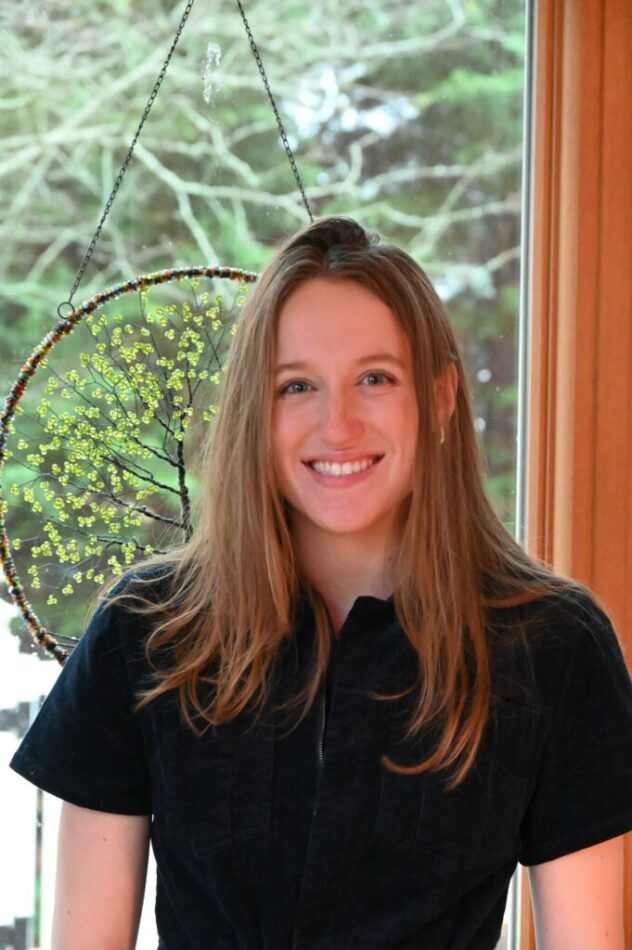
- Julia Neumann, a Bates College student, received the Jane C. Waldbaum Field School Scholarship.
- Her fieldwork took place at the archaeological sites of Porta Nola and Porta Sarno in Pompeii.
- Neumann emphasizes the importance of preparation and enjoyment for future scholarship recipients.
- The AIA supports emerging archaeologists through various scholarships and fieldwork opportunities.
The Archaeological Institute of America (AIA) proudly highlights the achievements of its Field School Scholars, including Julia Neumann, a dedicated student from Bates College. Julia’s journey into the world of archaeology is not only inspiring but also showcases the significant opportunities provided by the AIA through its scholarship programs.
As part of the AIA’s commitment to fostering the next generation of archaeologists, Julia was awarded the Jane C. Waldbaum Field School Scholarship, which supports students in gaining hands-on experience at archaeological sites around the globe. This scholarship is part of a broader initiative that includes the American School of Prehistoric Research Scholarships and Laura Obolensky Scholarships, all aimed at nurturing emerging talent in the field of archaeology.
Continue Reading
About Julia Neumann
Julia Neumann is a passionate archaeology student at Bates College, where she has developed a strong interest in ancient cultures and historical preservation. Her recent scholarship award allowed her to participate in a field school program, providing her with invaluable practical experience in archaeological excavation and research.
Field School Experience
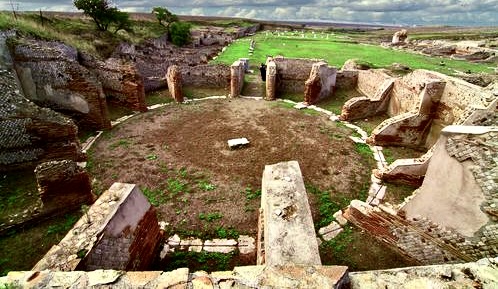
Julia’s fieldwork took place at two significant archaeological sites in Pompeii: Porta Nola and Porta Sarno. These sites are renowned for their rich historical context and offer a unique glimpse into the daily lives of ancient Romans. During her time at these locations, Julia engaged in various tasks, including excavation, artifact analysis, and site documentation.
Learning Outcomes
Through her participation in the field school, Julia gained critical skills that are essential for any aspiring archaeologist. Some of these skills include:
- Excavation techniques – Learning proper digging methods to uncover artifacts without damaging them.
- Artifact preservation – Understanding how to handle and store artifacts to maintain their integrity.
- Site documentation – Recording findings accurately for future research and analysis.
- Team collaboration – Working effectively with fellow students and professionals in a field environment.
Advice for Future Scholarship Recipients
Julia offers valuable advice for students who are about to embark on their first archaeological digs. She emphasizes the importance of enjoying the experience while being well-prepared. Her top tips include:
- Have fun! Engaging with the process can lead to a more enriching experience.
- Prepare for the climate – If heading to a hot or humid location, consider bringing cooling cloths or a fan for comfort.
- Stay open-minded – Embrace new challenges and learning opportunities that come your way.
The Role of AIA in Supporting Archaeology
The AIA is North America’s largest and oldest nonprofit organization dedicated to archaeology. Its mission encompasses advancing awareness, education, fieldwork, preservation, publication, and research of archaeological sites and cultural heritage worldwide. The organization plays a crucial role in supporting emerging archaeologists through scholarships like the Jane C. Waldbaum Field School Scholarship.
Impact of Scholarships
Scholarships provided by the AIA enable students like Julia to gain essential field experience that enhances their academic learning and professional development. By participating in field schools, students can:
- Apply theoretical knowledge in practical settings.
- Network with professionals in the field.
- Contribute to ongoing archaeological research and preservation efforts.
Conclusion
Julia Neumann’s journey as a Field School Scholar exemplifies the opportunities available through the AIA’s scholarship programs. Her experiences at Pompeii not only enriched her understanding of archaeology but also prepared her for a promising career in the field. As the AIA continues to support emerging archaeologists, it fosters a new generation dedicated to the preservation and understanding of our shared cultural heritage.
Note: Provide a strategic conclusion reinforcing long-term business impact and keyword relevance.
Frequently Asked Questions
The Jane C. Waldbaum Field School Scholarship supports students in archaeology by providing funding for hands-on fieldwork experiences at significant archaeological sites worldwide.
Julia Neumann conducted her fieldwork at the archaeological sites of Porta Nola and Porta Sarno in Pompeii, Italy.
The AIA supports emerging archaeologists through various scholarships, educational programs, and opportunities for hands-on fieldwork, helping students gain essential skills and experience in the field.