800 Kms from Ayodhya: Babri Masjid-Ram Mandir Replica Showdown Fuels Political Row in Bengal
- Upcoming foundation stone laying for a Babri Masjid replica in Bengal intensifies communal tensions.
- Hindutva groups plan parallel Ram Mandir projects, escalating political rivalry.
- Local leaders leverage religious sentiments for electoral gains ahead of elections.
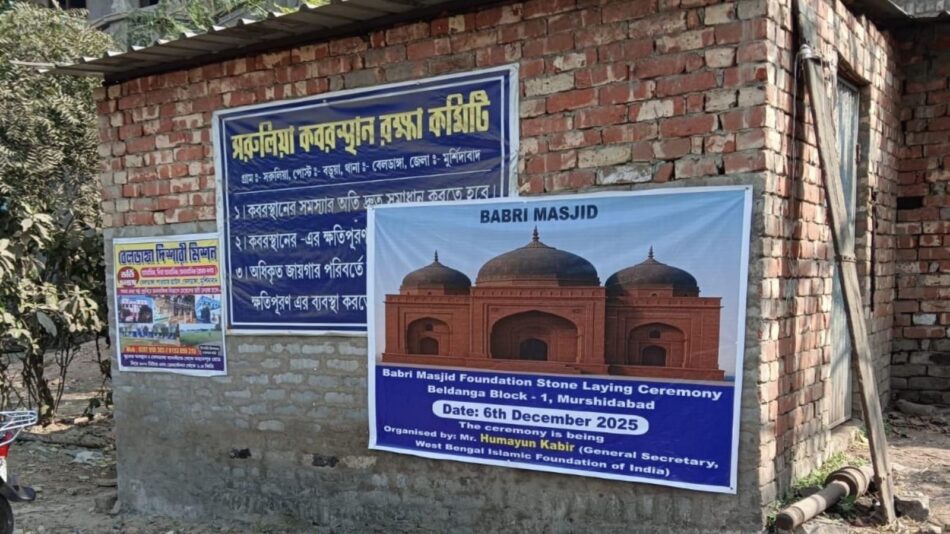
In a politically charged atmosphere, the plan to lay the foundation stone for a Babri Masjid replica in West Bengal’s Murshidabad district has ignited a significant political row. This initiative, spearheaded by Trinamool Congress MLA Humayun Kabir, coincides with Hindutva activists’ parallel plans for Ram Temple constructions, creating a volatile mix of religious sentiment and political maneuvering.
As the state approaches Assembly elections, the implications of this showdown extend beyond local religious sentiments, potentially influencing voter dynamics in a region marked by communal sensitivity.
Continue Reading
Background of the Controversy
The Babri Masjid, demolished in Ayodhya in 1992, remains a symbol of contention in Indian politics. The recent decision to construct a smaller replica in Murshidabad, approximately 800 kilometers from Ayodhya, has reignited debates surrounding communal identity and political allegiance in the region. MLA Humayun Kabir’s announcement to lay the foundation stone on December 6, the anniversary of the Babri Masjid’s demolition, is a calculated move to galvanize support among his constituents.
Political Implications
This initiative comes at a time when the region is experiencing heightened political activity, with the ruling Trinamool Congress (TMC) facing pressure from opposition parties, particularly the Bharatiya Janata Party (BJP). The BJP’s former Murshidabad president, Sakharab Sarkar, has also announced plans to construct a Ram Temple in response, further polarizing the political landscape.
Electoral Context
The timing of these developments is crucial, as West Bengal prepares for Assembly elections. The ongoing Special Intensive Revision (SIR) of electoral rolls has already seen a significant increase in voter registration, particularly in border districts like Murshidabad, which has seen an 87.65% rise since the last revision. This demographic shift is likely to influence the electoral strategies of both the TMC and the BJP.
Community Reactions
Local reactions to Kabir’s plans have been mixed. While he claims to have garnered support for the mosque project, there are indications of resistance from within the Muslim community regarding land acquisition. Kabir’s assertion of a constitutional right to build a place of worship is met with skepticism by some local Muslims, who fear the communal ramifications of such a project.
Opposition Responses
The Congress party has criticized the TMC for its perceived inaction regarding Kabir’s plans, suggesting that the party’s silence indicates tacit approval. Former MP Adhir Ranjan Chowdhury has publicly challenged the TMC to take a stand against communal politics, highlighting the potential dangers of escalating tensions in a region already fraught with conflict.
Hindutva Counteractions
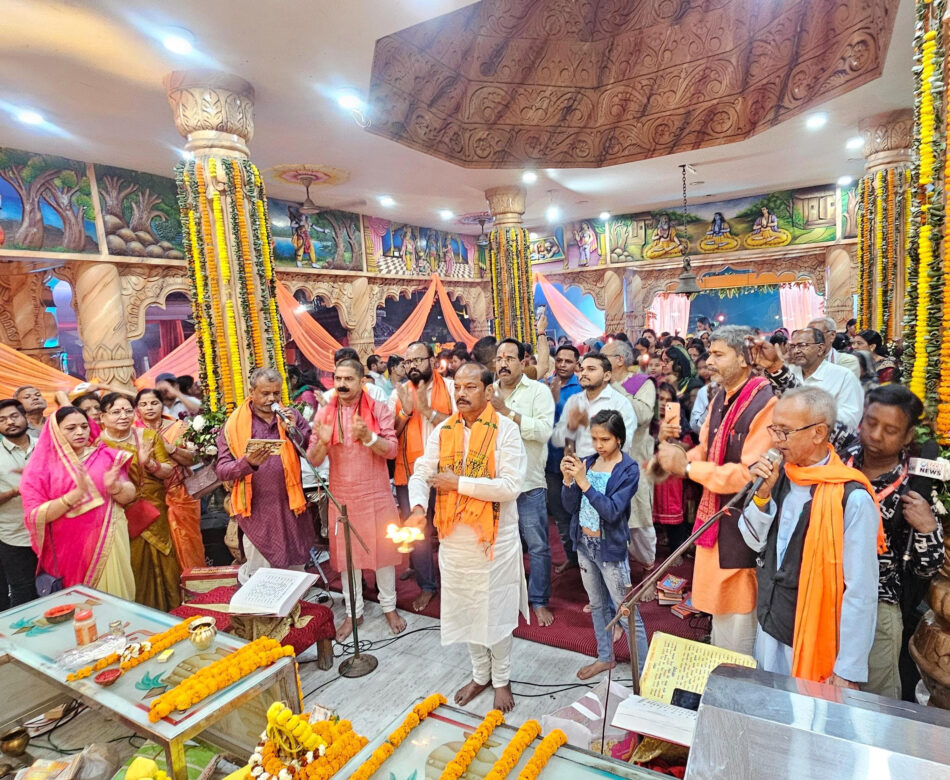
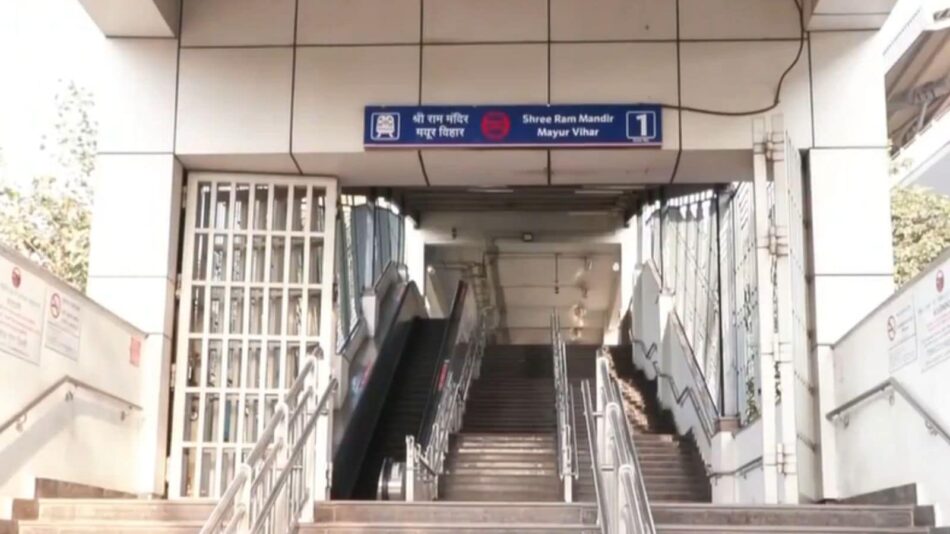
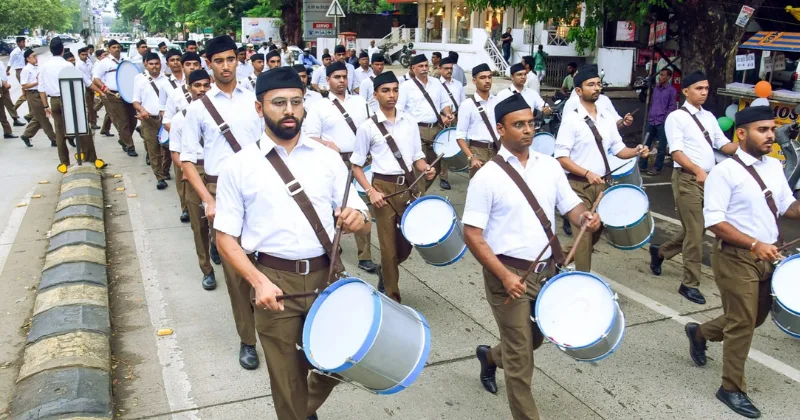
In response to the Babri Masjid plans, Hindutva groups are mobilizing their resources to establish Ram Mandir replicas. The Bongiyo Ram Sevak Parishad Charitable Trust has already initiated construction efforts, emphasizing community support and funding. This counter-narrative serves not only to assert Hindu identity but also to galvanize support ahead of the elections.
Potential for Escalation
The political maneuvering surrounding these religious constructions raises concerns about the potential for communal violence. Past incidents of unrest in the region, such as the communal tensions in Beldanga in November 2024, serve as a stark reminder of the fragile state of communal harmony. The imposition of prohibitory orders and internet bans in response to these tensions underscores the delicate balance the local administration must maintain.
Conclusion
The Babri Masjid-Ram Mandir replica showdown in Bengal is emblematic of the broader challenges facing Indian politics today. As local leaders leverage religious sentiments for electoral gain, the potential for communal polarization looms large. The upcoming elections will be a litmus test for the region’s political dynamics, as parties navigate the complexities of identity, religion, and governance.
Note: Provide a strategic conclusion reinforcing long-term business impact and keyword relevance.
Frequently Asked Questions
The Babri Masjid replica is significant as it symbolizes ongoing communal tensions and political strategies in West Bengal, particularly in the context of upcoming elections.
Local political parties, especially the TMC and BJP, are responding by either supporting or opposing these projects, using them to galvanize voter support and influence electoral outcomes.
The potential risks include communal violence and increased polarization among communities, which could destabilize the region and impact the electoral process.