Kashmiri Man Detained at Ram Mandir: Family Claims Mental Illness
A 55-year-old man from Jammu and Kashmir was detained at the Ram Mandir complex in Ayodhya after allegedly attempting to offer namaz. The incident has raised questions regarding his mental health, as his family claims he suffers from mental illness.
Ahmed Sheikh, a resident of Shopian district, was reportedly found preparing to pray near the temple’s Sita Rasoi area. His actions prompted immediate intervention from security personnel, leading to his detention and subsequent handover to local police.
Continue Reading
Incident Overview
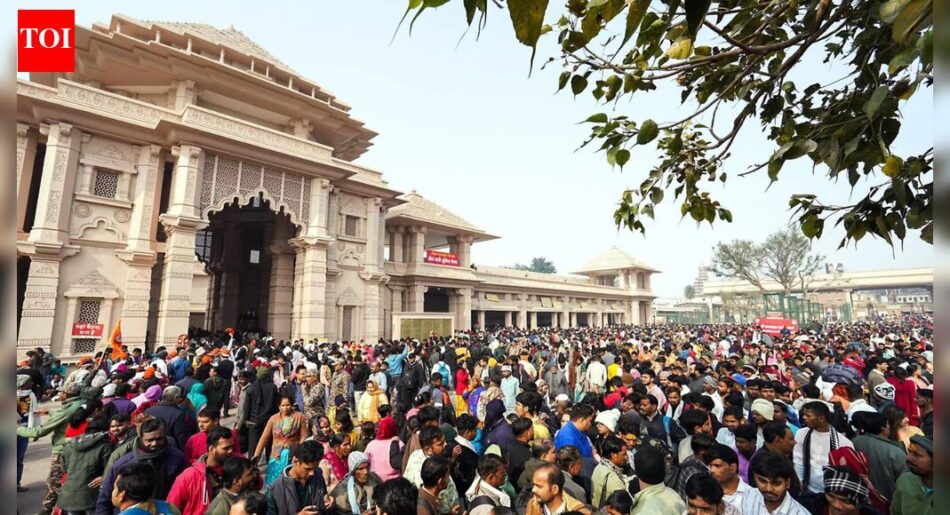
On January 11, 2026, Ahmed Sheikh entered the Ram Mandir premises during daylight hours. Eyewitness accounts indicate that he visited the shrine before sitting down in the designated area for offering prayers. Upon noticing his actions, security personnel intervened, leading to his detention.
According to police reports, Sheikh allegedly raised slogans when approached by security staff, which further complicated the situation. The authorities are currently verifying the details surrounding the incident, including Sheikh’s intentions and whether he acted alone.
Family’s Claims of Mental Illness
Sheikh’s family has come forward to assert that he is mentally ill. His son, Imran Sheikh, stated that the family was unaware of his father’s visit to Ayodhya. Imran described his father as “totally unsound” and mentioned that Sheikh often leaves home without informing anyone, sometimes for several days.
Neighbors corroborated the family’s claims, noting that Sheikh had been undergoing treatment for mental health issues and was on medication. They expressed disbelief that he would knowingly attempt to pray inside a temple, suggesting that he lacks the awareness of the significance of such an act.
Police Investigation
In light of the incident, investigators are conducting a thorough inquiry into Sheikh’s actions. They are examining his travel history, including the purpose of his visit to Ayodhya and whether he had any accomplices. Preliminary checks revealed that Sheikh was in possession of items such as cashews and raisins, and he informed investigators that he was en route to Ajmer.
Senior police officials, along with intelligence agencies, are reviewing security protocols at the Ram Mandir complex to prevent similar incidents in the future. The Ayodhya district administration and the Ram temple trust have refrained from making public comments regarding the matter.
Public Reaction
The incident has sparked discussions on social media and among the public regarding mental health awareness and the treatment of individuals with mental illnesses. Many have expressed concern over the stigma associated with mental health issues, particularly in the context of religious sites.
Furthermore, the incident raises questions about the security measures in place at religious sites, especially those with significant cultural and historical importance. As the investigation continues, many are calling for better training for security personnel to handle similar situations with compassion and understanding.
Frequently Asked Questions
Ahmed Sheikh was detained after he allegedly attempted to offer namaz inside the Ram Mandir complex and raised slogans when stopped by security personnel.
Sheikh’s family claims that he suffers from mental illness and provided medical records to support their assertion. They expressed concern about his frequent unexplained absences from home.
The police are investigating the incident to ascertain Sheikh’s intent and verifying his travel details. They are also reviewing security arrangements at the Ram Mandir complex to prevent future occurrences.
Note: This incident highlights the importance of understanding mental health issues and the need for compassionate responses in sensitive situations, especially in religious contexts.