PM Modi to Hoist Saffron Flag at Ram Mandir on Tuesday
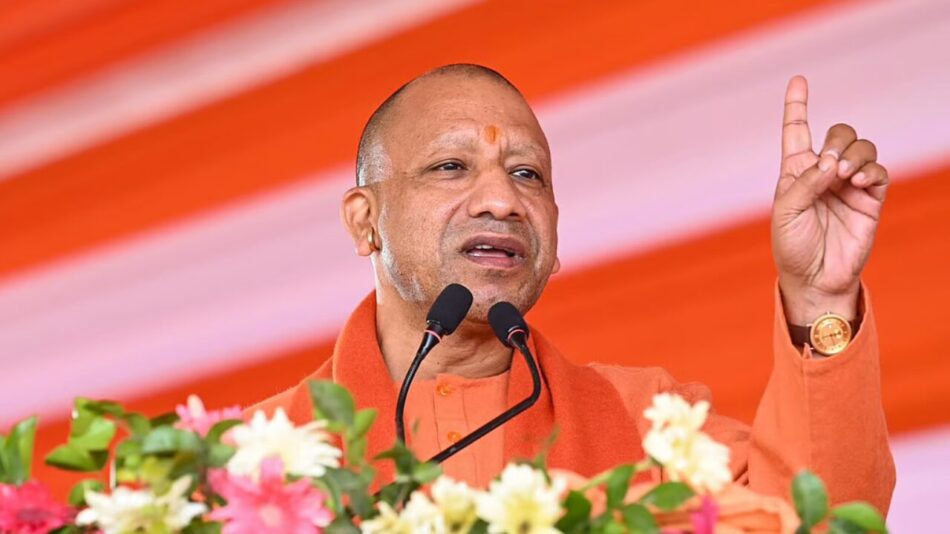
On Tuesday, Prime Minister Narendra Modi is set to hoist the saffron flag at the Ram Mandir in Ayodhya, a significant event that symbolizes the culmination of decades of efforts to establish the temple at this historic site. This momentous occasion is expected to draw attention not only for its religious significance but also for its political implications.
The event coincides with the martyrdom day of Guru Tegh Bahadur, the ninth Sikh Guru, who is revered for his spiritual contributions and sacrifices. His meditation in Ayodhya for 48 uninterrupted hours in the 17th century adds a layer of historical and spiritual importance to the day.
Continue Reading
Significance of the Ram Mandir
The Ram Mandir in Ayodhya is not just a religious site; it represents a pivotal chapter in India’s history, intertwining faith, politics, and culture. The temple’s construction has been a focal point of Hindu nationalism and has significant implications for the socio-political landscape of India.
Historical Context
The site of the Ram Mandir is believed to be the birthplace of Lord Ram, a central figure in Hindu mythology. The Babri Masjid, which stood at the site until its demolition in 1992, was a symbol of communal tensions in India. The Supreme Court’s verdict in 2019, which allowed for the construction of the Ram Mandir, marked a turning point in this long-standing dispute.
Political Implications
The hoisting of the saffron flag by PM Modi is seen as a strategic move that reinforces the Bharatiya Janata Party’s (BJP) commitment to its core Hindu nationalist agenda. This event is expected to energize the party’s base ahead of upcoming elections.
- Reinforcement of Identity: The event underscores the BJP’s efforts to solidify Hindu identity in the political sphere.
- Electoral Strategy: The timing of the flag hoisting aligns with the party’s electoral strategy, aiming to mobilize Hindu voters.
- Social Cohesion: The event may also serve as a means to foster unity among Hindu communities across the nation.
Guru Tegh Bahadur’s Martyrdom Day
The day of the flag hoisting also marks the martyrdom of Guru Tegh Bahadur, who is celebrated for his unwavering commitment to religious freedom. His legacy resonates deeply within the Sikh community and beyond, symbolizing the fight against oppression.
Spiritual Significance
Guru Tegh Bahadur’s meditation in Ayodhya is a testament to the spiritual significance of the location. His teachings emphasize the importance of standing up for one’s beliefs, a message that continues to inspire millions.
Commemoration Activities
In honor of Guru Tegh Bahadur, various activities and programs are expected to take place, including:
- Prayer meetings and kirtans (devotional singing) at Gurdwaras across the country.
- Community service initiatives aimed at promoting social harmony.
- Educational programs highlighting the teachings and sacrifices of the Guru.
Public Response and Anticipation
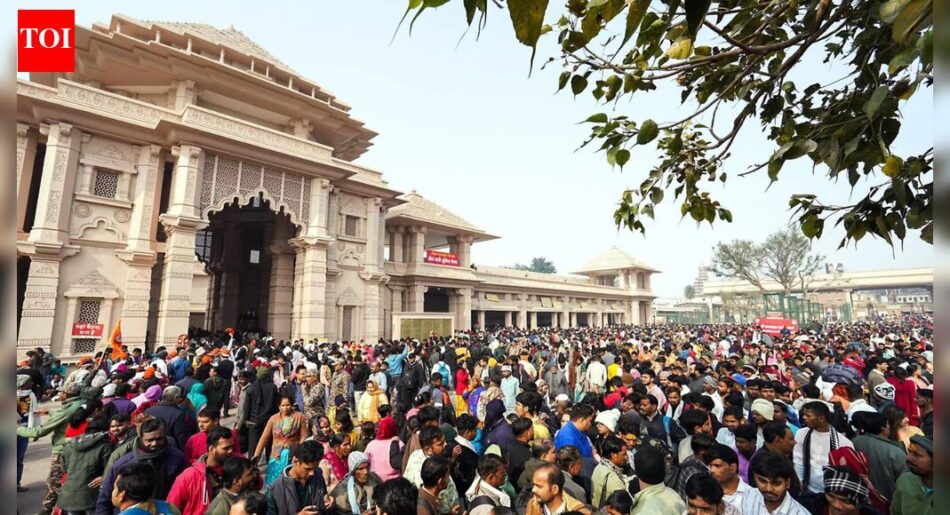
The announcement of PM Modi’s participation has generated significant public interest. Many devotees are expected to gather at the Ram Mandir to witness this historic moment.
Security Measures
In light of the anticipated large turnout, extensive security measures are being implemented to ensure the safety of attendees. These measures include:
- Increased police presence in and around Ayodhya.
- Checkpoints and screening processes for visitors.
- Coordination with local authorities to manage crowds effectively.
Future Prospects for the Ram Mandir
As the Ram Mandir nears completion, discussions about its role in promoting tourism and economic development in Ayodhya are gaining traction. The temple is expected to attract millions of visitors, contributing to the local economy.
Tourism Development
The Indian government is likely to invest in infrastructure and amenities to support the influx of tourists. Potential developments may include:
- Improved transportation links to Ayodhya.
- Development of hospitality services, including hotels and restaurants.
- Cultural programs and events to engage visitors.
Frequently Asked Questions
The saffron flag symbolizes Hindu identity and is associated with the Ram Mandir, representing the culmination of efforts to establish the temple at this historic site.
Guru Tegh Bahadur’s martyrdom day is significant as it commemorates his sacrifices for religious freedom and his teachings that continue to inspire people today.
The Ram Mandir is expected to boost Ayodhya’s economy through increased tourism, leading to investments in infrastructure, hospitality, and local businesses.
Note: The hoisting of the saffron flag at Ram Mandir is a historical event that intertwines religious significance with political implications, marking a new chapter in India’s socio-cultural landscape.