Buddhism Becomes Unlikely Force Behind Korea’s Olympic Snowboard Success
The 2026 Milan Cortina Winter Olympics marked a historic achievement for South Korea, as athletes secured back-to-back medals in snowboarding. This unprecedented success can be traced back to an unexpected source: Buddhism.
Four key athletes—Choi Gaon, Kim Sang-kyum, Yu Seung-eun, and Lee Sang-ho—have a common thread linking their journeys to the sport: their participation in the Dalma Open Championship, organized by the Jogye Order of Korean Buddhism.
Continue Reading
The Role of Ven. Hosan
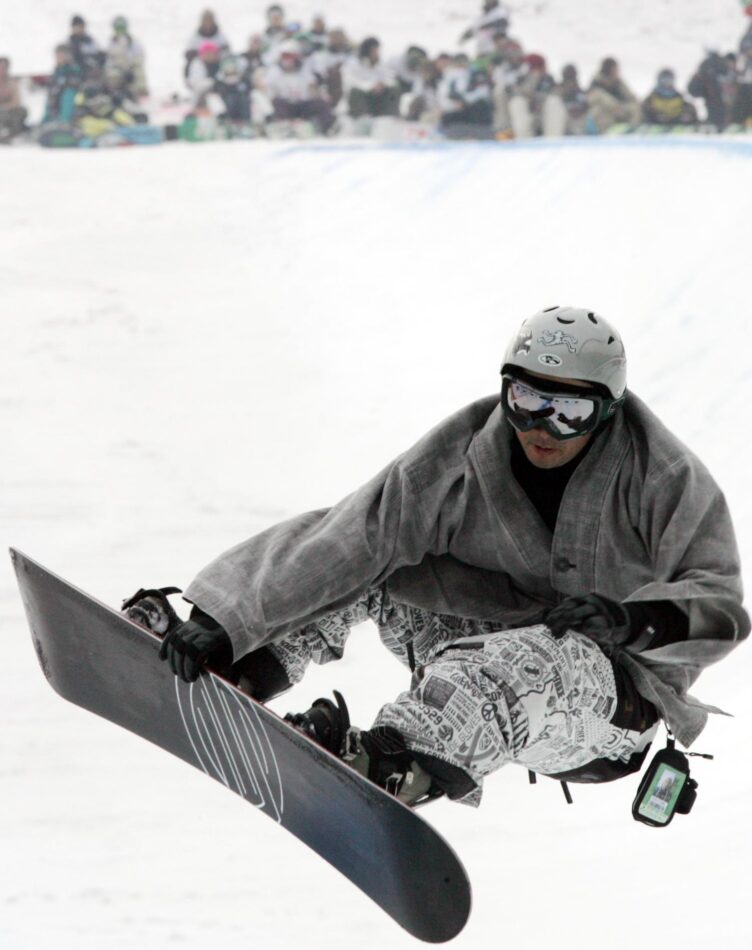
At the heart of this unique intersection of religion and sport is Ven. Hosan, the abbot of Bongseon Temple in Namyangju, Gyeonggi Province. His involvement with snowboarding began serendipitously in 1995 when he was invited to offer prayers at a ski resort. In return for his blessings, he received a lift pass, which allowed him to experience the thrill of snowboarding firsthand.
As he observed the snowboarders, Ven. Hosan found a striking similarity between their pursuit of freedom on the slopes and the Buddhist quest for liberation from the cycle of birth and death. This realization sparked his desire to support young athletes in the sport.
The Birth of the Dalma Open Championship
In 2003, recognizing the lack of institutional support for snowboarding in Korea, Ven. Hosan decided to take action. He used his personal savings to establish the Dalma Open Championship, with assistance from fellow monks. The name “Dalma” is derived from the Buddhist term “dharma,” which signifies the teachings of the Buddha and the essence of reality.
This competition started as a modest initiative aimed at providing opportunities for struggling athletes. Over the years, it evolved into Korea’s largest international snowboard event, offering ranking points for the International Ski and Snowboard Federation (FIS) World Cup.
Impact on Young Athletes
The Dalma Open Championship has played a pivotal role in nurturing young talent in snowboarding. With the confirmation of Pyeongchang County as the host of the 2018 Winter Olympics, the event’s mission expanded to focus on identifying and cultivating prospects with Olympic potential.
- Choi Gaon: Gold medalist in women’s halfpipe at the 2026 Olympics.
- Kim Sang-kyum: Silver medalist in alpine snowboarding.
- Yu Seung-eun: Bronze medalist in big air.
- Lee Sang-ho: First Korean snowboarder to win an Olympic medal at the 2018 Games.
These athletes, often referred to as the “Dharma kids,” emerged from the championship, showcasing the effectiveness of Ven. Hosan’s vision and dedication to the sport.
Challenges Faced by Snowboarding in Korea
Despite its growth, snowboarding in Korea has faced numerous challenges. Historically, the sport was viewed as a fringe activity, receiving minimal media attention and institutional support. Young athletes struggled to find opportunities for systematic training or meaningful competition.
Ven. Hosan’s efforts through the Dalma Open Championship have been instrumental in changing this narrative, providing a platform for young snowboarders to hone their skills and gain recognition on a larger stage.
Conclusion
The success of South Korean snowboarders at the 2026 Winter Olympics is not merely a reflection of their talent and hard work; it is also a testament to the transformative power of community support and the unexpected influence of Buddhism. Ven. Hosan’s commitment to fostering young athletes has created a legacy that will continue to inspire future generations of snowboarders in Korea.
Frequently Asked Questions
The Dalma Open Championship is an international snowboarding competition established by Ven. Hosan in 2003 to support young athletes in Korea.
Buddhism, particularly through the efforts of Ven. Hosan, has provided a supportive community and framework for young snowboarders, helping them gain recognition and opportunities.
Notable snowboarders include Choi Gaon, Kim Sang-kyum, Yu Seung-eun, and Lee Sang-ho, all of whom have achieved Olympic success.
Note: The journey of snowboarding in Korea reflects the power of community and the unexpected intersections of culture and sport.