Computer Study Tracks Paleolithic Marks and Symbols
- Advanced computer algorithms can analyze ancient symbols, revealing insights into early human communication.
- The study enhances our understanding of Paleolithic cultures and their cognitive abilities.
- Technological applications in archaeology can lead to more efficient data analysis and interpretation.
The intersection of technology and archaeology has led to groundbreaking discoveries, particularly in understanding ancient human cultures. A recent study utilizing advanced computer algorithms has made significant strides in tracking and interpreting Paleolithic marks and symbols.
This innovative approach not only sheds light on the cognitive abilities of early humans but also opens new avenues for archaeological research. By employing computational methods, researchers can analyze vast amounts of data more efficiently than traditional manual methods.
Continue Reading
Understanding Paleolithic Marks and Symbols
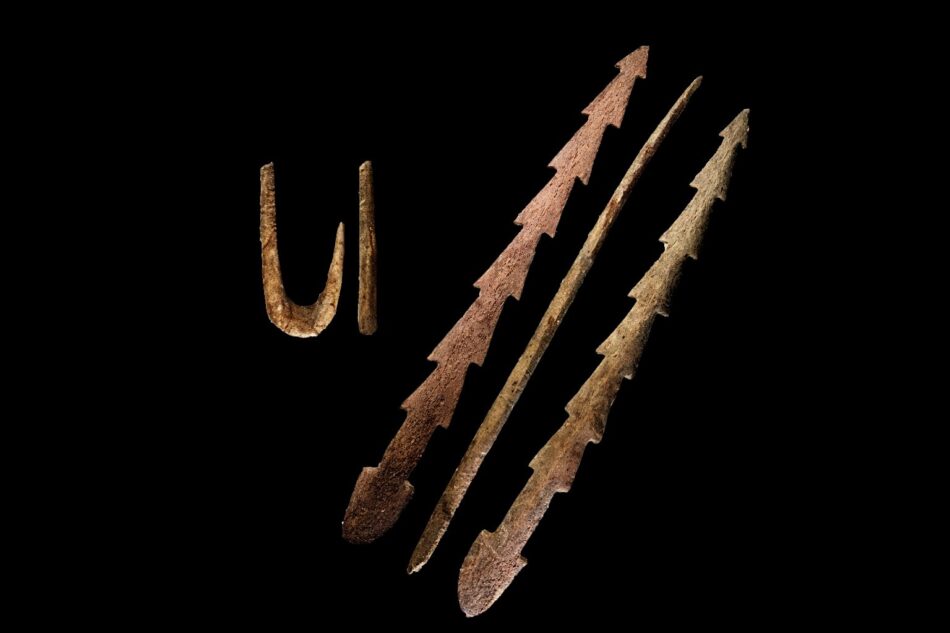
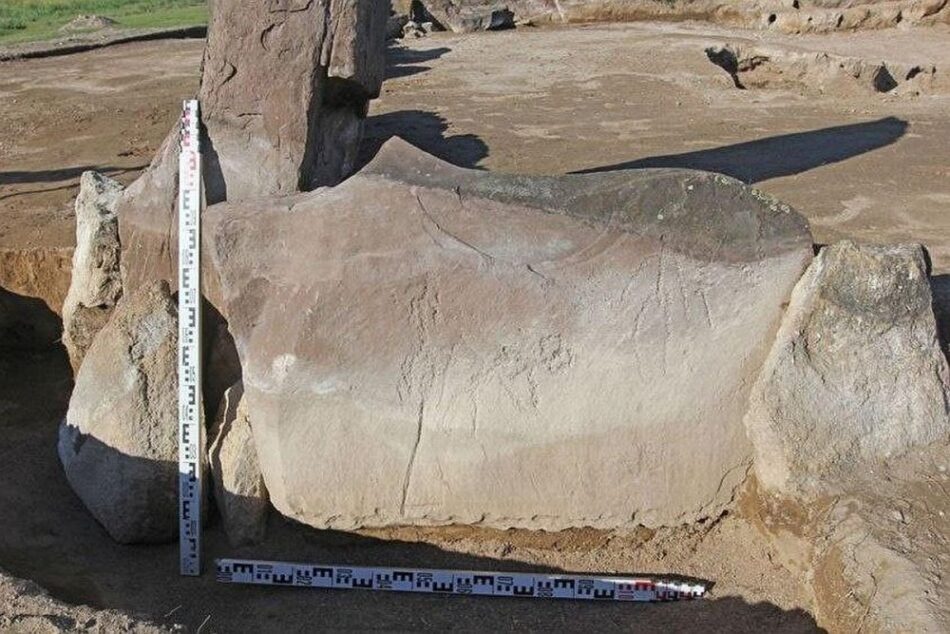
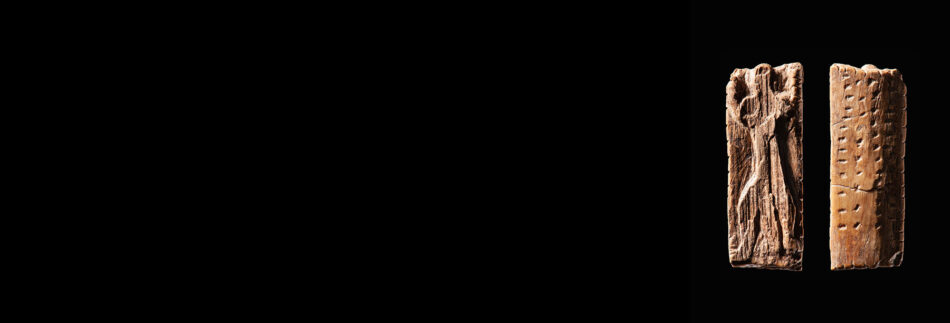
Paleolithic marks and symbols, often found on cave walls and artifacts, are believed to represent early forms of communication. These markings provide insights into the social and cultural practices of prehistoric humans. The study of these symbols has traditionally relied on manual analysis, which can be time-consuming and subjective.
The Role of Technology in Archaeology
Recent advancements in technology have transformed the field of archaeology. Computer algorithms can process large datasets, identifying patterns and correlations that might be missed by human analysis. This study employs machine learning techniques to categorize and interpret Paleolithic symbols more accurately.
Methodology
The researchers collected data from various archaeological sites known for their rich deposits of Paleolithic symbols. High-resolution images of these markings were digitized and analyzed using sophisticated algorithms. The algorithms were designed to recognize specific features of the symbols, such as shape, size, and orientation.
Findings
The study’s findings reveal that many symbols share common characteristics, suggesting a form of standardized communication among different groups. This challenges previous assumptions that such symbols were random or purely decorative. The analysis indicates that these marks may have served specific functions, possibly related to social organization or ritual practices.
Implications for Archaeological Research
The implications of this study extend beyond mere interpretation of symbols. By utilizing technology, archaeologists can enhance their research methodologies, leading to more robust conclusions about early human behavior. The ability to analyze large datasets allows for a more comprehensive understanding of the cultural and social dynamics of Paleolithic societies.
Cost Efficiency and Scalability
Implementing computer algorithms in archaeological research can significantly reduce costs associated with manual analysis. As the technology becomes more accessible, smaller archaeological teams can leverage these tools, making high-quality research scalable across various sites. This democratization of technology can lead to a richer understanding of human history.
Future Directions
As technology continues to evolve, the potential applications in archaeology are vast. Future studies may incorporate artificial intelligence to further refine the analysis of Paleolithic symbols. Additionally, integrating data from other disciplines, such as anthropology and linguistics, could provide deeper insights into the cognitive abilities of early humans.
Challenges and Limitations
Despite the promising results, the study faces challenges. The accuracy of the algorithms depends on the quality and quantity of data available. Incomplete or damaged symbols may lead to misinterpretations. Furthermore, the reliance on technology necessitates a careful balance between computational analysis and traditional archaeological methods.
Conclusion
The integration of computer algorithms in tracking Paleolithic marks and symbols represents a significant advancement in archaeological research. By enhancing our understanding of early human communication, this study paves the way for future explorations into the cognitive capabilities of our ancestors. As technology continues to advance, its applications in archaeology will likely yield even more profound insights into human history.
Frequently Asked Questions
Paleolithic marks and symbols refer to the engravings and paintings created by early humans during the Paleolithic era, often found on cave walls and artifacts. They are believed to represent early forms of communication.
Technology, particularly computer algorithms and machine learning, allows researchers to analyze large datasets of symbols efficiently, identifying patterns and correlations that may be overlooked in traditional manual analysis.
The study suggests that technology can enhance research methodologies, leading to a more comprehensive understanding of early human behavior and culture, while also reducing costs and improving scalability in archaeological projects.
Note: Provide a strategic conclusion reinforcing long-term business impact and keyword relevance.