Stone Age Boy in Sweden Buried in Deerskin and Woodpecker Headdress
- New archaeological techniques reveal insights into burial practices of Stone Age people in Sweden.
- Findings include a boy buried with a woodpecker feather headdress, indicating cultural significance.
- The study highlights the importance of advanced methods in uncovering organic materials from ancient graves.
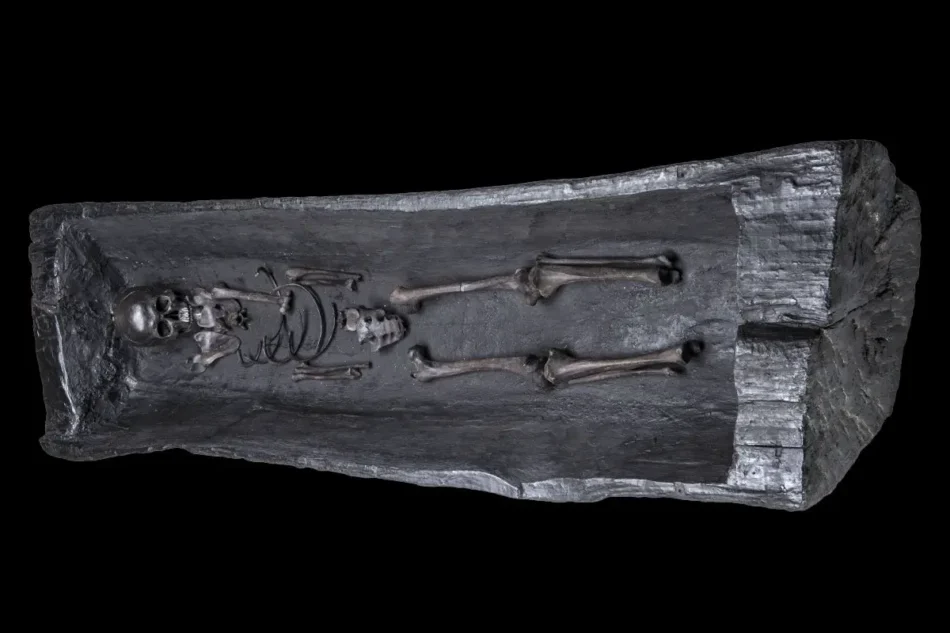
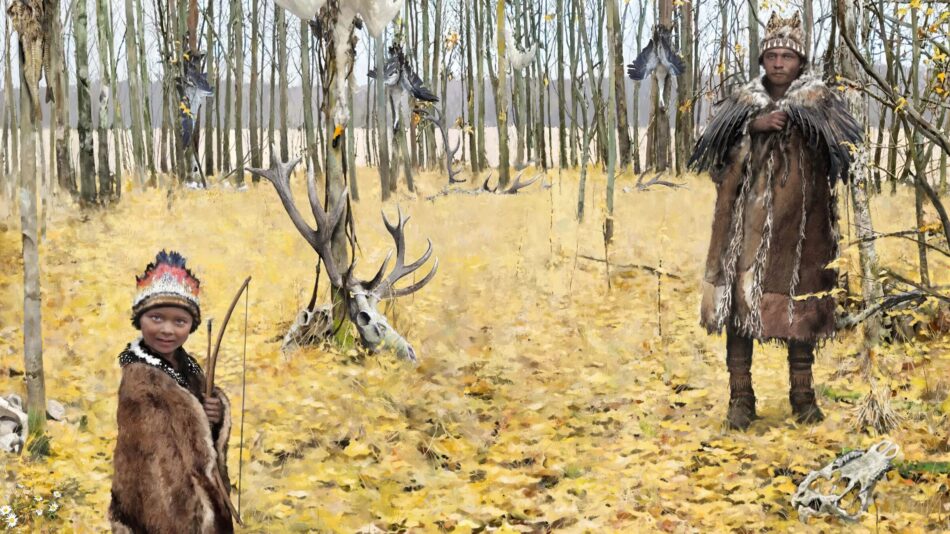
The recent discovery of a Stone Age boy buried in Sweden with a woodpecker headdress and deerskin clothing has provided significant insights into the burial practices of ancient hunter-gatherer societies. This finding underscores the cultural and ritualistic importance of clothing and adornments in the lives of these early peoples.
Utilizing a novel method for analyzing soil samples, researchers have uncovered traces of organic materials that were previously difficult to detect. This advancement allows archaeologists to gain a clearer understanding of the social and cultural dynamics of Stone Age communities.
Continue Reading
Archaeological Discoveries at Skateholm
The site of Skateholm, located in southern Sweden near the Baltic Sea, has emerged as a significant archaeological location for understanding the Late Mesolithic period. Recent excavations have revealed 35 burials, showcasing the burial customs of the hunter-gatherer groups that inhabited the region over 7,000 years ago.
Among the most notable findings is the grave of a young boy adorned with a headdress made from woodpecker feathers. This discovery suggests that the feathers held a special significance, possibly indicating status or a connection to spiritual beliefs within the community.
Innovative Techniques in Archaeology
Researchers, led by Tuija Kirkinen from the University of Helsinki, employed a groundbreaking technique that enables the identification of microscopic traces of hair and feathers in soil samples. This method represents a significant advancement in archaeological practice, allowing for the recovery of organic materials that would typically degrade under less favorable conditions.
Kirkinen explained, “In general, fur, plant fibers, and other soft organic materials have been recovered only under specific conditions, such as in underwater sites or in glaciers. With our method, it is possible to find microscopic fibers even in areas with poor preservation conditions.”
Significance of the Findings
The burial of the boy with a woodpecker headdress is not merely a reflection of his personal identity but may also symbolize broader cultural practices. The use of animal materials in burial rites could indicate a deep connection to nature and the belief systems of the time.
Additionally, another grave at the site contained a woman buried with multicolored fur-and-feather footwear, further emphasizing the importance of clothing and adornments in social and ceremonial contexts. Such findings allow researchers to piece together the complexities of human behavior and cultural expression during the Stone Age.
Implications for Future Research
The application of this new method opens doors for future archaeological explorations, particularly in sites where organic materials are scarce. By enhancing the ability to detect and analyze these materials, researchers can gain a more comprehensive understanding of ancient societies and their practices.
As archaeological techniques continue to evolve, the potential for uncovering new insights into human history grows. This discovery at Skateholm not only enriches our knowledge of the past but also highlights the intricate relationships between early humans and their environments.
Conclusion
The burial of a Stone Age boy in Sweden with a woodpecker headdress and deerskin clothing illustrates the cultural significance of adornments in ancient societies. The innovative techniques employed by researchers provide a valuable framework for future archaeological investigations, enabling a deeper understanding of the complexities of human behavior in prehistoric times.
Note: Provide a strategic conclusion reinforcing long-term business impact and keyword relevance.
Frequently Asked Questions
The burial included a woodpecker feather headdress and deerskin clothing, indicating cultural and ritual significance.
Researchers utilized a new technique to analyze soil samples, allowing them to detect microscopic traces of organic materials.
This discovery highlights the importance of clothing and adornments in social and ceremonial practices among Stone Age communities.