1,000-Year-Old Elite Tomb Filled with Gold Uncovered at El Caño Archaeological Park in Panama
- The discovery of a 1,000-year-old tomb reveals insights into the social hierarchy of ancient Panama.
- Gold artifacts and ceramics indicate advanced metallurgical skills and cultural practices.
- This find enhances understanding of pre-Hispanic history and community burial traditions.
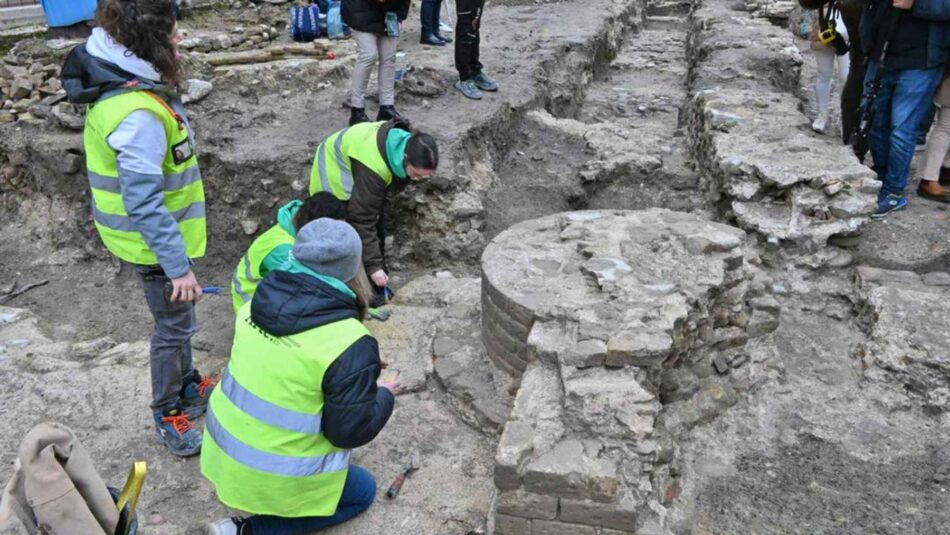
Archaeologists have made a significant discovery at El Caño Archaeological Park in Panama, unearthing a tomb that dates back over a millennium. This elite burial site, filled with gold ornaments and ceramic vessels, provides a glimpse into the lives and beliefs of ancient societies in Central America.
The tomb, believed to be from between CE 800 and 1000, is located in the district of Natá, approximately 124 miles southwest of Panama City. The excavation of this site has been ongoing for nearly twenty years, revealing a wealth of information about the region’s history and cultural practices.
Continue Reading
Significance of the Discovery
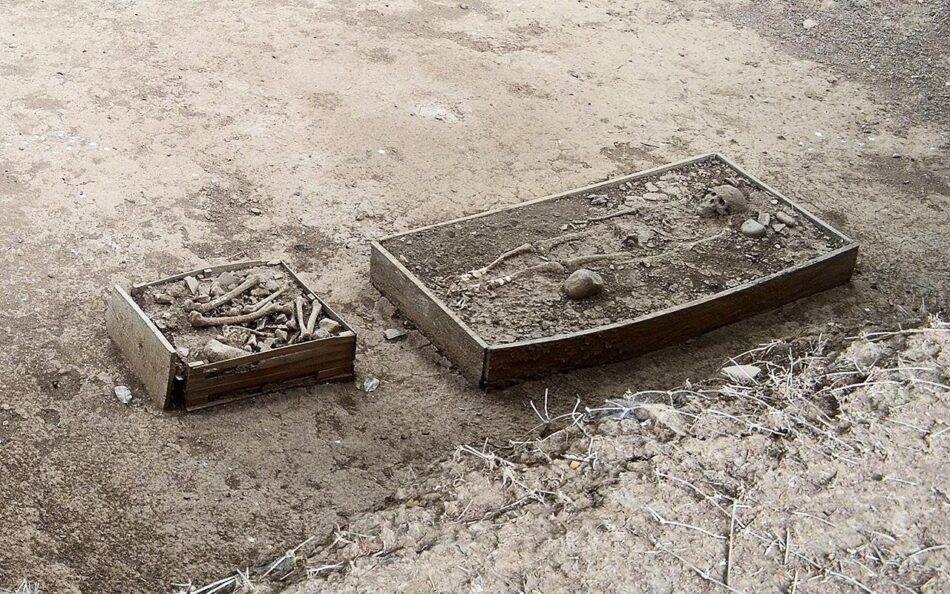
The recent excavation at El Caño has unveiled the skeletal remains of a high-ranking individual, positioned at the center of the grave and surrounded by valuable artifacts. Among the items discovered were two gold bracelets, earrings, and intricately designed pectoral plates featuring representations of bats and crocodiles. These motifs are significant in the visual language of the ancient communities that inhabited central Panama.
Insights into Ancient Metallurgy
The gold artifacts demonstrate advanced metalworking skills, indicating that the societies in this region had developed sophisticated techniques long before European contact. The presence of such refined gold pieces in multiple graves suggests a well-established metallurgical tradition.
Ceramic Artifacts
Alongside the gold items, archaeologists found ceramic vessels adorned with traditional designs. These ceramics are linked to the communities that thrived between the eighth and eleventh centuries, providing further context to the cultural practices of the time. The craftsmanship of these items reflects the artistic traditions and social structures that existed in the region.
Burial Practices and Social Hierarchy
The positioning of the gold ornaments around the body highlights a clear social ranking within the community. The burial goods serve as evidence that status was an important aspect of life and death, with individuals being interred with symbols of their rank and identity. This practice indicates that leadership and spiritual roles extended beyond the grave, emphasizing the significance of social hierarchy in ancient Panamanian society.
Community and Cemetery Patterns
This tomb is one of ten discovered at El Caño, which share similar characteristics. The repeated pattern of elite burials in this area suggests that it served as a cemetery for influential community members over a span of approximately 200 years. This continuity in burial practices indicates that families returned to this site across generations to honor their deceased leaders.
Wider Implications of the Find
The discovery at El Caño not only contributes to the understanding of local history but also connects to broader networks across the Central American isthmus. The findings suggest that these ancient societies were part of extensive trade and cultural exchanges, further enriching the historical narrative of the region.
Government and Cultural Impact
Panama’s Ministry of Culture has hailed this discovery as a pivotal moment for national archaeology. It underscores the importance of reconstructing pre-Hispanic history in Central America. Each new tomb adds valuable material evidence about the social structures, belief systems, and artistic traditions that characterized the region over a thousand years ago.
Future Research Directions
The ongoing excavations at El Caño promise to yield even more insights into the lives of ancient Panamanians. Future research will likely focus on analyzing the artifacts and skeletal remains to gain a deeper understanding of the health, diet, and cultural practices of these communities. Moreover, interdisciplinary approaches involving anthropology, archaeology, and history will enhance the narrative of this significant archaeological site.
Frequently Asked Questions
The tomb provides insights into the social hierarchy, burial practices, and cultural traditions of ancient Panamanian societies, highlighting their advanced metallurgical skills and community structures.
Artifacts include gold ornaments such as bracelets and earrings, as well as ceramic vessels featuring traditional designs, indicating the community’s artistic and metallurgical capabilities.
This find enhances the understanding of social structures, belief systems, and artistic traditions in pre-Hispanic Central America, contributing to a more comprehensive view of the region’s history.
Note: Provide a strategic conclusion reinforcing long-term business impact and keyword relevance.